

Blood Meal for Tomatoes: Benefits and How to Use It Correctly
Blood meal is an excellent, fast-acting organic fertilizer for tomato plants because it provides a rapid nitrogen boost to fuel early vine and leaf growth. For best results, mix one to two tablespoons into the soil at planting, but avoid over-applying later in the season to ensure healthy fruit production.
Growing healthy, productive tomatoes requires a careful balancing act of nutrients. While many home gardeners rely on all-purpose blends, sometimes your garden needs a specific, targeted intervention. When your tomato plants are struggling to put on new growth or are looking pale and tired early in the season, blood meal for tomato plants is often the exact organic remedy you need.

Because tomatoes are notoriously heavy feeders, understanding how to use potent single-ingredient fertilizers can dramatically transform your harvest. However, because this specific amendment is incredibly rich in nitrogen, applying it requires a bit of knowledge and restraint. In this guide, you will learn exactly what blood meal is, how it impacts your vegetable garden, and the precise methods for applying it without harming your plants.
What Blood Meal is and its Key Nutrients
Blood meal is a dry, inert powder made from the blood of animals—typically cattle or hogs—collected as a byproduct of the meatpacking industry. While that might sound slightly grim to a beginner gardener, it is one of the oldest, most traditional, and most effective organic fertilizers available. The blood is sterilized, flash-dried, and ground into a fine powder or pelletized form, making it completely safe to handle and use in your home vegetable garden.
The primary reason gardeners reach for blood meal is its exceptional nutritional profile. It is prized almost exclusively for its high nitrogen content.
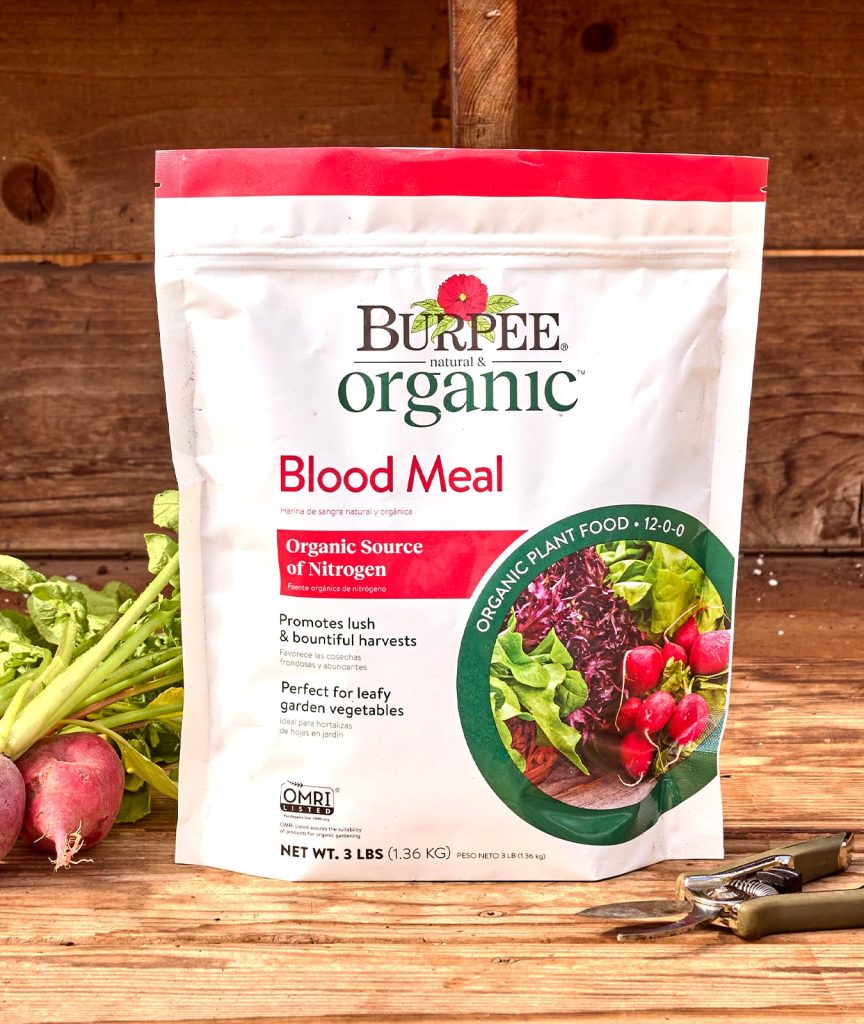
If you look at the NPK ratio (Nitrogen-Phosphorus-Potassium) on a bag of commercial blood meal, you will typically see numbers like 12-0-0 or 13-0-0. This means it contains 12% to 13% pure nitrogen by weight, with virtually no phosphorus or potassium. In the world of organic gardening, this is an incredibly high concentration. Most natural composts or manures hover around a 1-1-1 or 2-2-2 ratio.
In addition to its massive nitrogen load, blood meal also contains trace amounts of iron, which helps plants synthesize chlorophyll. When you combine high nitrogen and iron, you get a fertilizer that is unparalleled at turning pale, struggling plants into lush, dark-green powerhouses.
Specific Benefits for Tomato Plants
Is blood meal good for tomatoes? Absolutely, provided it is used at the correct stage of the plant’s life cycle. Here is exactly how using blood meal on tomato plants benefits your garden.
1. Rapid Correction of Nitrogen Deficiency
Nitrogen is a “mobile” nutrient within a plant. When a tomato plant lacks nitrogen, it will actively steal it from its oldest, lowest leaves to support the new growth at the top. If you notice the bottom leaves of your young tomato vines turning yellow while the top stays green, your plant is starving for nitrogen. Because blood meal is broken down very quickly by soil microbes compared to other organic matter, it provides a rapid fix, greening the plant up in a matter of days.
2. Explosive Early Vegetative Growth
In the first month after you transplant your tomatoes into the garden, you want the plant to focus on building a thick, sturdy main stalk and a massive canopy of leaves. These leaves act as solar panels that will eventually generate the energy needed to grow heavy fruit. A dose of blood meal fertilizer for tomatoes at planting time guarantees the plant has the fuel it needs to establish its structure quickly before the extreme summer heat arrives.
3. Natural Pest Deterrent
An unexpected benefit of using blood meal and tomatoes together is pest control. While the smell of dried blood meal is generally unnoticeable to humans once mixed into the dirt, animals have a much sharper sense of smell. Herbivores like deer, rabbits, and groundhogs are often repelled by the scent of blood meal, interpreting it as a predator marker. Sprinkling it around the perimeter of your tomato beds can help keep these nibbling pests at bay.
4. Versatility for Other Nightshades
The benefits do not stop at tomatoes. Using blood meal for tomatoes and peppers, as well as eggplants, yields very similar results. All of these plants belong to the nightshade family and share a heavy demand for early-season nitrogen to build their bushy frameworks.
How to Use It — Dosage and Timing
Because blood meal is so concentrated, precision is key. The goal is to provide a boost of leafy growth early on, and then back off so the plant can focus on flowering.
Timing Your Application
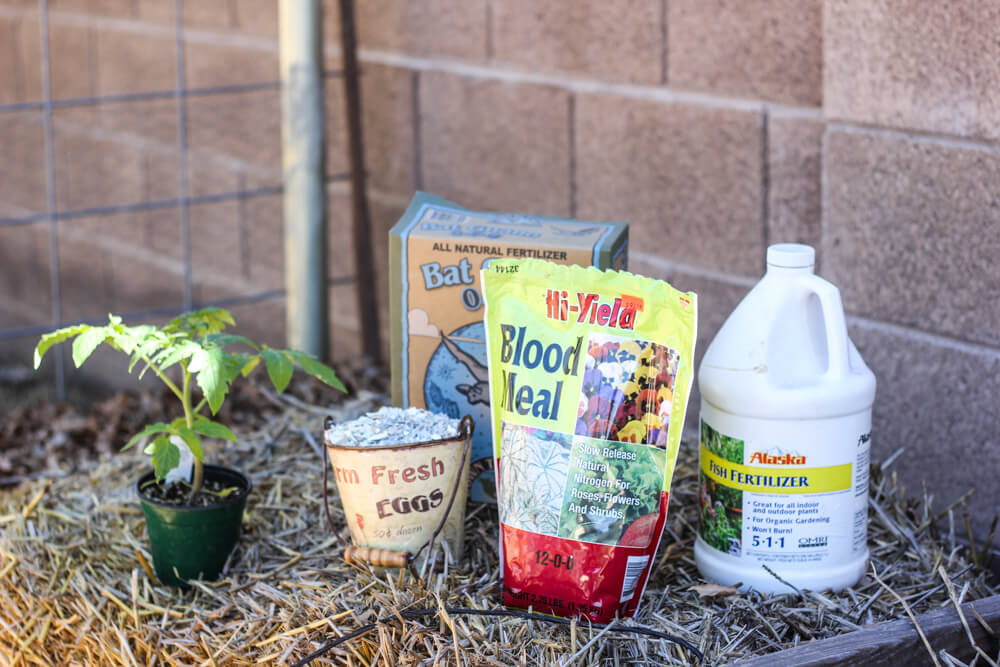
The absolute best time to use blood meal is early in the season. You should apply it when you are first preparing your garden beds in the spring, or exactly when you are transplanting your tomato seedlings outdoors.
You should generally stop using blood meal once your tomato plants begin to produce small yellow blossoms. At that point, the plant needs phosphorus and potassium to create fruit. Adding more nitrogen at the flowering stage tells the plant to drop its blossoms and go back to growing leaves.
Dosage Guidelines
Never apply blood meal by the handful without measuring. It is a highly potent powder. Always wear gardening gloves when applying it, and mix it thoroughly into the soil rather than leaving it clumped on the surface.
Below is a quick reference guide for applying blood meal safely to your tomato crop.
| Application Stage | Recommended Dosage | How to Apply | Primary Purpose |
|---|---|---|---|
| Garden Bed Prep (Pre-season) | 1 cup per 10 square feet | Broadcast evenly over the soil surface and till or rake it into the top 3-4 inches of soil. Water well. | Raises the overall ambient nitrogen level of depleted garden soil before planting. |
| Transplanting (Seedlings) | 1 to 2 tablespoons per plant | Dig the planting hole, sprinkle the blood meal into the bottom, and mix it with the loose soil before setting the plant in. | Gives individual transplants a localized, powerful nitrogen boost for rapid early vine growth. |
| Mid-Season (Emergency Fix) | 1 tablespoon per plant | Side-dress by scratching the powder into the top inch of soil in a ring around the plant (keep away from the stem). | Corrects active nitrogen deficiency (yellowing lower leaves) during the vegetative stage. |
| Flowering / Fruiting Stage | 0 tablespoons | Do not apply. | Prevents the plant from prioritizing foliage over fruit production. |
Risks of Overuse or Incorrect Use
While organic fertilizers are generally safer than synthetics, blood meal is the exception to the rule. Because it boasts an NPK ratio of 12-0-0, it is entirely possible to damage your garden if you use it carelessly.
1. Fertilizer Burn
If you apply too much blood meal directly against the stem or the delicate roots of a young tomato plant, the high concentration of nitrogen salts will draw moisture out of the plant tissue. This causes “fertilizer burn,” resulting in scorched, brown leaf edges, wilting, and sometimes the death of the plant. Always mix it thoroughly with the soil and water it in heavily to dilute its initial impact.
2. “All Vine, No Dine”
If you ignore the timing rules and continue to apply blood meal into the middle of the summer, your tomato plants will experience a phenomenon gardeners call “all vine, no dine.” The excessive nitrogen signals the plant to continuously generate lush, dark green foliage. You will grow a massive, beautiful, towering tomato bush that refuses to set a single flower or produce a single tomato.
3. Unwanted Soil Acidity and Blossom End Rot
As soil microbes break down blood meal, the process naturally releases ammonia, which slightly lowers the pH of your soil over time. Tomatoes prefer a slightly acidic soil (pH 6.0 to 6.8), so this is usually fine. However, if your soil is already highly acidic, the addition of blood meal can push the pH too low.
When soil becomes too acidic, it locks up calcium, making it unavailable to the tomato plant’s roots. This lack of calcium inevitably leads to the dreaded black, sunken spots on the bottom of your fruit. How to fix and prevent blossom end rot. If you use blood meal regularly, it is wise to test your soil pH annually.
4. Attracting Carnivorous Pests
While blood meal repels herbivores like rabbits, it can have the exact opposite effect on carnivores and omnivores. Dogs, cats, raccoons, and skunks are highly attracted to the smell of dried blood. If you leave clumps of blood meal sitting on the surface of your garden beds, you may wake up to find that a neighborhood dog or raccoon has dug up your tomato transplants searching for a buried piece of meat. To prevent this, always mix the meal deeply into the soil and water it immediately to dissipate the scent.
Blood Meal vs. Other Organic Inputs
Understanding how blood meal compares to other popular organic and synthetic fertilizers will help you become a much more strategic gardener.

Blood Meal vs. Bone Meal
These two are often confused due to their names, but they serve completely opposite purposes in the garden. While blood meal supplies massive amounts of nitrogen for leafy growth (12-0-0), bone meal is a slow-release source of phosphorus and calcium (typically around 3-15-0). Bone meal is used to promote root development and heavy flowering. In fact, many experienced gardeners apply a mixture of blood meal and bone meal at planting time to give the tomato plant a perfectly balanced start.
Blood Meal vs. Compost or Manure
Compost and aged manures are fantastic, well-rounded soil amendments. They improve soil structure, increase water retention, and provide a gentle, low-dose mix of all three NPK macronutrients. However, they are incredibly slow to break down. If your plant is actively starving for nitrogen right now, compost will not work fast enough to save it. Blood meal acts as a rapid-response tool, while compost acts as a long-term health plan.
When evaluating organic vs. synthetic options:
Synthetic nitrogen fertilizers (like urea or standard blue water-soluble crystals) are manufactured chemicals that provide instant nutrients. While they work immediately, they do not feed the soil microbes and can degrade your soil’s natural structure over time. Blood meal is the perfect middle ground: it acts faster than almost any other organic fertilizer, but because it is biologically based, it still feeds the soil food web and supports a sustainable, organic garden ecosystem.
FAQ
How much Blood Meal should I use per tomato plant?
- You should use one to two tablespoons of blood meal per tomato plant at the time of transplanting. Mix the powder thoroughly into the bottom of the planting hole with the native soil before placing the tomato seedling inside to prevent root burn.
Can I use too much Blood Meal?
- Yes, it is very easy to use too much blood meal. Because it is highly concentrated in nitrogen, applying too much will cause severe fertilizer burn on the roots and promote excessive, bushy leafy growth at the complete expense of flower and fruit production.
How long does it take for Blood Meal to work?
- Blood meal is one of the fastest-acting organic fertilizers available. It typically takes a few days to two weeks for soil microbes to break down the proteins, making the nitrogen fully available to the plant roots and visibly greening up the foliage.
Can Blood Meal be combined with other organic fertilizers?
- Absolutely. Because blood meal contains almost exclusively nitrogen, it pairs perfectly with bone meal (for phosphorus) and kelp meal (for potassium) to create a complete, balanced, and highly effective organic nutrient profile for your heavy-feeding vegetables.
