

Slow-Release Fertilizer for Tomatoes: Pros, Cons, and How to Use It
A slow release tomato fertilizer provides a steady, continuous supply of essential nutrients over several months. By breaking down gradually via soil moisture or temperature, it prevents root burn, reduces the need for frequent feeding, and supports consistent vine growth and heavy fruiting without the constant maintenance of liquid feeds.
When you set out to grow the perfect summer garden, feeding your plants correctly is just as important as watering them. Tomatoes are notoriously heavy feeders, extracting massive amounts of nutrients from the soil in a very short window of time. If you walk down the aisle of any garden center, you are immediately bombarded with brightly colored liquids, water-soluble powders, and heavy bags of dry meal.
For the busy home gardener, keeping up with a strict weekly liquid feeding schedule can quickly turn into a tedious chore. This is where a high-quality slow release fertilizer for tomato plants becomes your greatest asset. Instead of a rapid flush of nutrients that can overwhelm your plants, these products act like a slow drip, feeding your garden in the background while you focus on pruning, watering, and harvesting. In this guide, we will break down exactly how these fertilizers work, the difference between synthetic and organic options, and how to use them to maximize your summer yield.
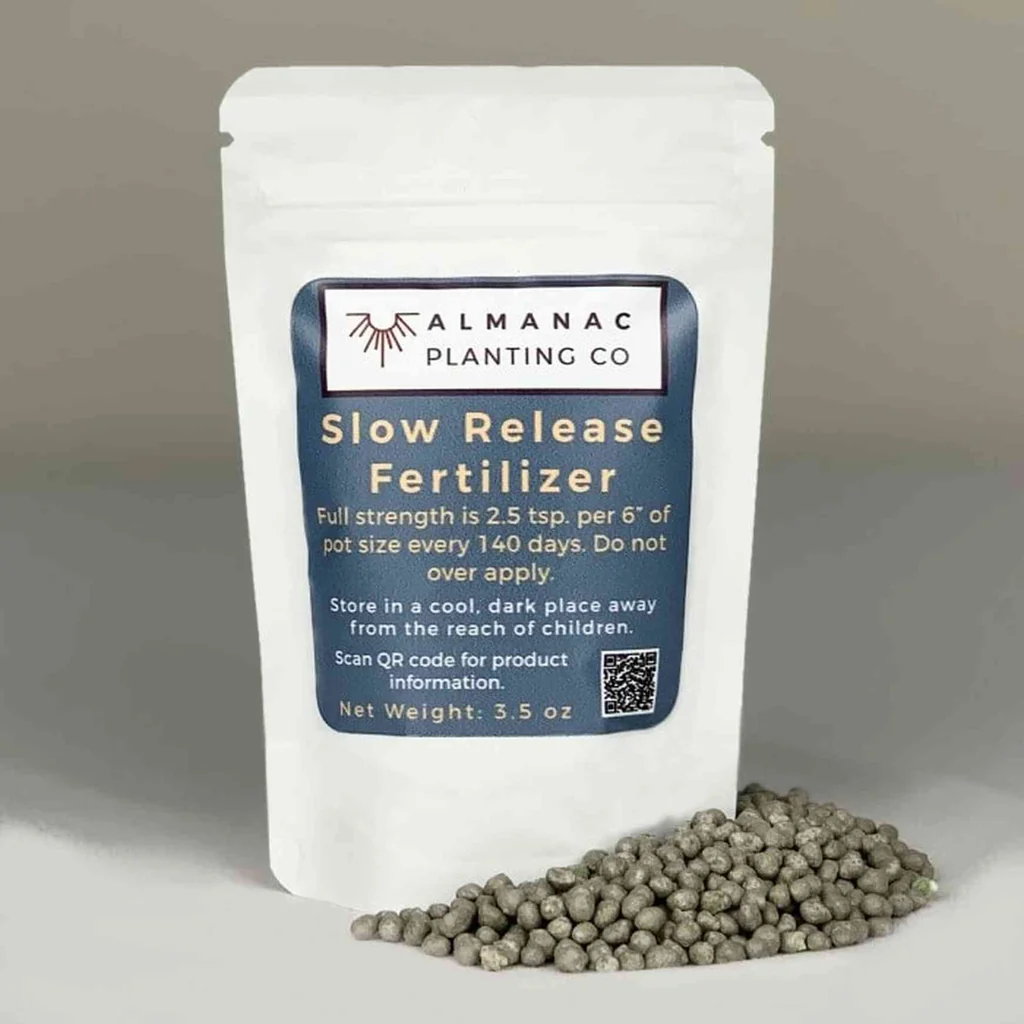
What makes Slow-Release fertilizer different
To understand why this feeding method is so effective, you have to look at how the nutrients are delivered to the soil. Every fertilizer is graded on an NPK ratio, which stands for Nitrogen (N), Phosphorus (P), and Potassium (K). A good tomato fertilizer will generally have a lower first number (Nitrogen) and higher second and third numbers (Phosphorus and Potassium) to encourage blooming and fruiting rather than just leafy green growth.
When you use a water-soluble liquid fertilizer, 100% of that NPK ratio is available to the plant the second it touches the roots. It is an instant meal. Slow-release fertilizers, however, hold those nutrients in reserve.
There are two primary ways this is achieved, depending on whether you choose an organic vs. synthetic option:
Synthetic Polymer-Coated (e.g., Osmocote)
Products like osmocote for tomatoes use synthetic fertilizer salts encased in a semi-permeable resin or polymer shell. These look like tiny, uniform plastic beads (often called prills). When you water the soil, moisture penetrates the shell, dissolving a tiny fraction of the nutrients inside. As the soil warms up during the summer, the shell expands, releasing a steady trickle of liquid plant food into the root zone.
Organic Granular Meals
An organic granular fertilizer for tomatoes (like Espoma Tomato-Tone or Dr. Earth) achieves a slow release entirely naturally. These products are made of dry, ground-up organic matter like bone meal, feather meal, and kelp. The nutrients are physically locked inside complex proteins. When you mix this granular tomato fertilizer into your garden, beneficial soil microbes, bacteria, and earthworms have to literally digest the meal to break it down. As the microbes process the organic matter, they slowly release the NPK nutrients into the soil in a format the tomato roots can absorb.
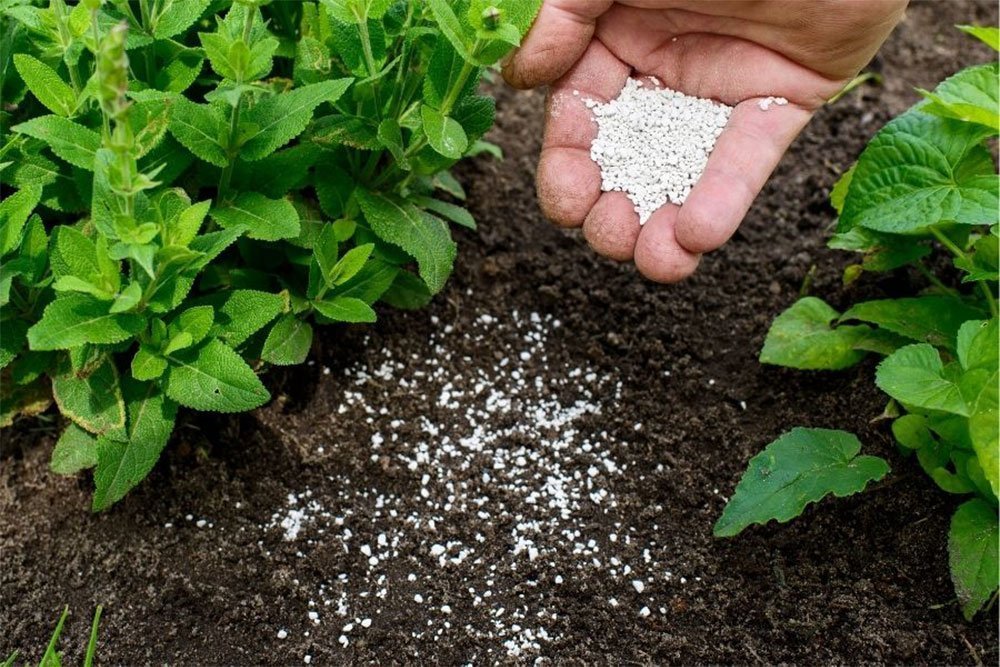
Advantages over other forms
Choosing a slow-release method offers several distinct advantages that can make your gardening season significantly easier and more productive.
Consistent, Even Growth
Tomatoes thrive on consistency. When you use liquid fertilizers every two weeks, the plant goes through a “feast or famine” cycle. It gets a massive rush of food, grows rapidly for a few days, and then slows down as the nutrients wash away. Slow-release products eliminate this rollercoaster. Because the plant receives a tiny, continuous dose of nutrition every single day, it grows at a steady, manageable pace, resulting in stronger stems and more evenly spaced fruit clusters.
Zero Risk of Root Burn
One of the most common mistakes beginners make is mixing liquid fertilizers too strongly. Concentrated chemical salts will immediately draw moisture out of the plant’s delicate roots, causing “fertilizer burn” that crisps the leaves and can kill the plant overnight. Because slow-release granules and prills only release micro-doses at a time, it is practically impossible to burn your tomato plants, even if you accidentally apply slightly too much.
Saves Time and Effort
If you manage a large garden or a dozen patio containers, mixing gallons of liquid fertilizer every weekend is exhausting. Most slow-release formulas only need to be applied once at the time of planting, and perhaps top-dressed one more time mid-season. It is the ultimate “set it and forget it” approach to garden nutrition.
Drawbacks and things to watch for
While they are incredibly convenient, slow-release options are not a universal cure-all. You need to be aware of their limitations to keep your plants healthy.
Temperature and Moisture Dependence
Because polymer-coated prills (like osmocote fertilizer for tomatoes) rely on soil temperature to dictate their release rate, an unexpected mid-summer heatwave can cause the resin shells to open too wide, releasing too much fertilizer at once. Conversely, organic granular feeds rely on soil microbes. If you plant your tomatoes early in the spring when the soil is still cold and wet, the microbes will be sluggish, meaning your plants might starve until the ground warms up enough for the breakdown process to begin.
No Immediate Rescue
If your tomato plant is actively turning yellow from a severe nitrogen deficiency, a slow-release fertilizer is the wrong tool for the job. Organic granules take weeks to break down, and polymer prills simply do not release fast enough to save a starving plant. In emergency situations, you will still need to reach for a fast-acting liquid feed to stabilize the plant.
The Blossom End Rot Factor
Tomatoes require a steady stream of calcium to build the cell walls of their fruit. If the plant lacks calcium, the bottom of the tomato collapses into a black, leathery patch—a condition known as calcium deficiency or blossom end rot. Many synthetic slow-release prills do not contain calcium. If you rely solely on them, you must add a secondary calcium source to the soil. Organic granular options usually contain bone meal, which provides an excellent slow-release calcium supply. However, remember that calcium is transported by water; even the best fertilizer won’t prevent this issue if your watering schedule is erratic.
Top picks worth considering
When shopping for the best granular fertilizer for tomatoes, it helps to narrow down the field based on your specific gardening setup.
If you are growing in containers or hanging baskets on a hot patio, Osmocote Smart-Release Plant Food Flower & Vegetable is a phenomenal synthetic choice. Because container soil is watered so frequently, liquid fertilizers wash right out the drainage holes. Osmocote’s resin-coated prills bond to the potting mix and release nutrients flawlessly over a 4-month period, ensuring your potted tomatoes are never hungry.
If you are growing in raised beds or traditional in-ground garden plots and prefer to build long-term soil health, organic meals are the superior choice. Products like Espoma Tomato-Tone (3-4-6) or Dr. Earth Home Grown (4-6-3) are widely considered the gold standard. They provide the perfect NPK ratio for heavy fruiting, guarantee a hearty dose of calcium to protect your harvest, and inject beneficial microbes directly into your garden beds.

Comparing Tomato Fertilizer Delivery Methods
To help you decide which approach fits your gardening style, review this comparison of the three main fertilizer types:
| Feature | Synthetic Slow-Release (e.g., Osmocote) | Organic Granular (e.g., Tomato-Tone) | Water-Soluble Liquid |
|---|---|---|---|
| Release Mechanism | Polymer shell expands with heat/moisture | Soil microbes break down natural proteins | Dissolves instantly in water |
| Feeding Duration | 3 to 6 months | 4 to 8 weeks | 1 to 2 weeks |
| Risk of Root Burn | Very Low | Very Low | High (if mixed incorrectly) |
| Adds Calcium? | Rarely | Yes (usually via Bone Meal) | Varies by brand |
| Best Used For | “Set it and forget it” container growing | Building long-term soil health and steady feeding | Emergency nutrient rescues |
FAQ
Is slow-release fertilizer better than granular for tomatoes?
- This is a common point of confusion, as the terms often overlap. Organic granular fertilizers are a type of slow-release fertilizer because they must be broken down by soil microbes over several weeks. However, if you are comparing synthetic coated prills to organic granular meals, neither is strictly “better”—coated prills are more convenient for containers, while organic granular is vastly superior for improving long-term soil health in garden beds.
How often should slow-release fertilizer be applied?
- The application frequency depends entirely on the specific product’s design. Synthetic polymer-coated options like Osmocote typically feed continuously for 3 to 6 months, requiring only one application at planting. Organic slow-release granular feeds generally need to be mixed into the soil at planting and then reapplied as a top-dressing every 4 to 6 weeks during the active summer growing season.
Does slow-release fertilizer work for container-grown tomatoes?
- Yes, it is arguably the best option for container gardening. Because potted tomatoes require frequent, heavy watering during the summer, liquid fertilizers are quickly washed out through the drainage holes. Slow-release prills and granules remain trapped in the potting mix, ensuring the confined root system receives a steady daily supply of nutrients without washing away.
What’s the downside of slow-release fertilizer?
- The primary downside is the lack of immediate control and speed. If your tomato plant is suffering from a sudden, acute nutrient deficiency, a slow-release fertilizer will not break down fast enough to rescue the plant. Additionally, their release rates can be unpredictable during extreme weather, releasing too fast in intense heatwaves or too slow in unusually cold spring soil.
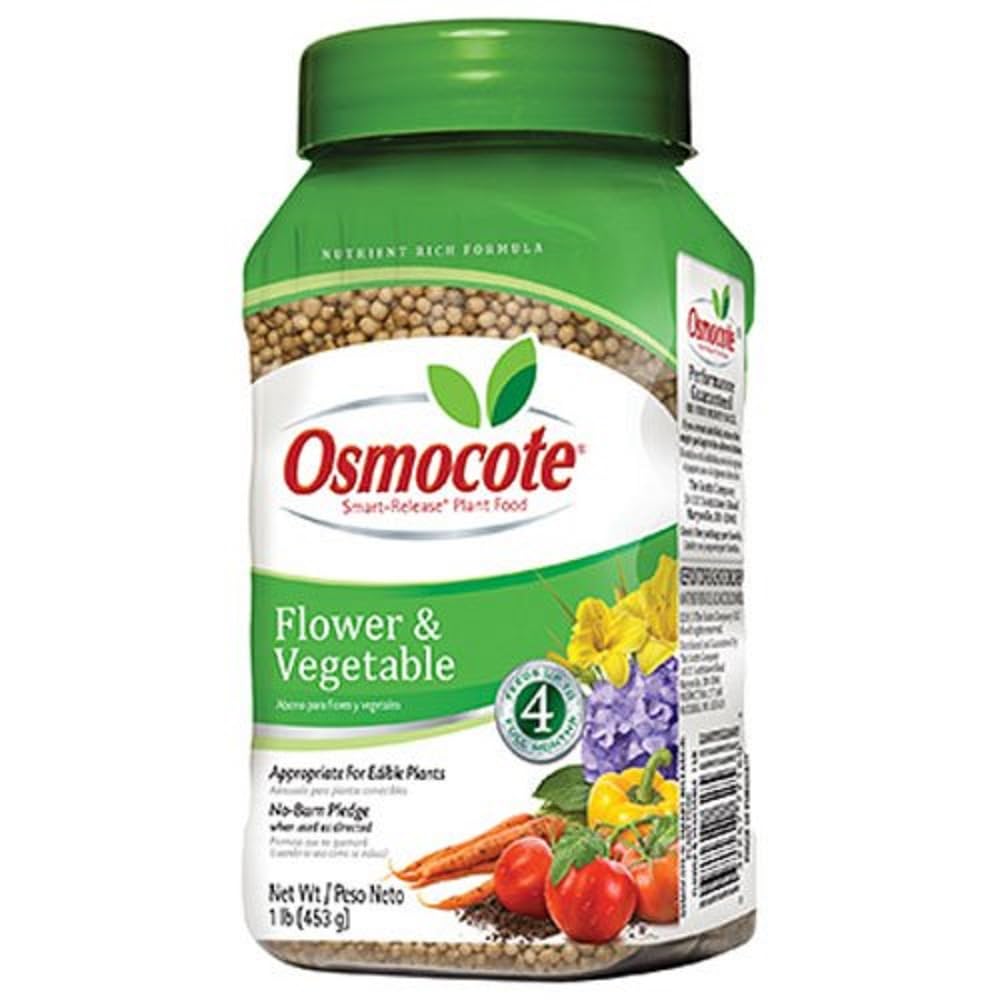
Osmocote Smart-Release Plant Food (14-14-14)
Feeds up to 4 Months • Granular Polymer Coating • Won’t Burn Roots
The ultimate “set it and forget it” slow-release fertilizer for container tomatoes. The unique resin coating reacts to soil temperature, releasing a steady trickle of nutrients exactly when your plants are actively growing.
✓ Best for Container Gardens
