

Kelp & Seaweed Fertilizer for Tomatoes: Benefits and How to Use It
Using a kelp fertilizer for tomatoes provides over 60 trace minerals and powerful natural growth hormones that boost plant resilience against heat and disease. For best results, mix one to two tablespoons of liquid kelp per gallon of water and apply as a foliar spray or soil drench every two weeks.
If you have spent any time tending to a summer vegetable garden, you know that the common garden tomato (Solanum lycopersicum) can be a demanding plant. They require perfectly balanced soil, consistent moisture, and a steady supply of nutrients to produce those heavy, sun-ripened slicing tomatoes we all crave. While most home gardeners understand the need for standard nitrogen, phosphorus, and potassium, many completely overlook the incredible benefits of micronutrients and biostimulants.
Enter kelp and seaweed. Harvested from nutrient-dense, frigid ocean waters, kelp has been used for centuries to enrich depleted soils. Today, it is widely considered the ultimate “secret weapon” for organic gardeners looking to push their tomato plants to peak performance. However, seaweed is not a traditional plant food. It acts fundamentally differently in the soil compared to standard agricultural fertilizers. To maximize your harvest and protect your plants from mid-summer heat stress, you need to understand exactly what this oceanic powerhouse does, when to apply it, and how it fits into your broader garden feeding schedule.
What Kelp/Seaweed is and its key nutrients
When you pick up a bottle or bag of seaweed fertilizer for tomatoes, you are almost always buying a product made from Ascophyllum nodosum, a specific species of brown seaweed that grows along the rocky, cold-water coastlines of the North Atlantic. Because this plant grows in an extreme environment—enduring freezing temperatures, crashing waves, and daily exposure to the sun during low tide—it has evolved to contain an incredibly dense concentration of stress-fighting compounds.

Unlike traditional fertilizers, kelp is not prized for its macronutrients. If you look at the NPK ratio (Nitrogen, Phosphorus, Potassium) on a bottle of liquid seaweed for tomato plants, you will usually see a very low string of numbers, such as 0-0-1 or 1-0-2. It contains almost zero nitrogen or phosphorus.
Instead of macronutrients, kelp is a powerhouse of micronutrients and biostimulants. A high-quality kelp extract contains over 60 trace minerals, including iron, zinc, magnesium, copper, and iodine. While tomatoes only need these elements in microscopic amounts, a deficiency in any of them can cripple a plant’s growth and immune system.
More importantly, kelp for tomato plants is loaded with natural plant growth hormones:
- Auxins: These hormones stimulate rapid and extensive root division and elongation.
- Cytokinins: These promote cell division and act as an anti-aging compound for plant tissues, keeping tomato leaves greener and healthier for a longer period.
- Gibberellins: These hormones dictate stem elongation, flower development, and fruit size.
You will generally find this product in two distinct forms: liquid kelp for tomatoes (which is cold-pressed or enzymatically digested into a highly concentrated, water-soluble fluid) and kelp meal for tomatoes (which is the raw seaweed that has been dried and crushed into a coarse, slow-release flake).
Specific benefits for tomato plants
Why should you incorporate oceanic plants into your backyard garden? The specific benefits of kelp address almost every major environmental challenge a tomato plant faces during a typical US summer.
Unmatched Heat and Drought Resistance
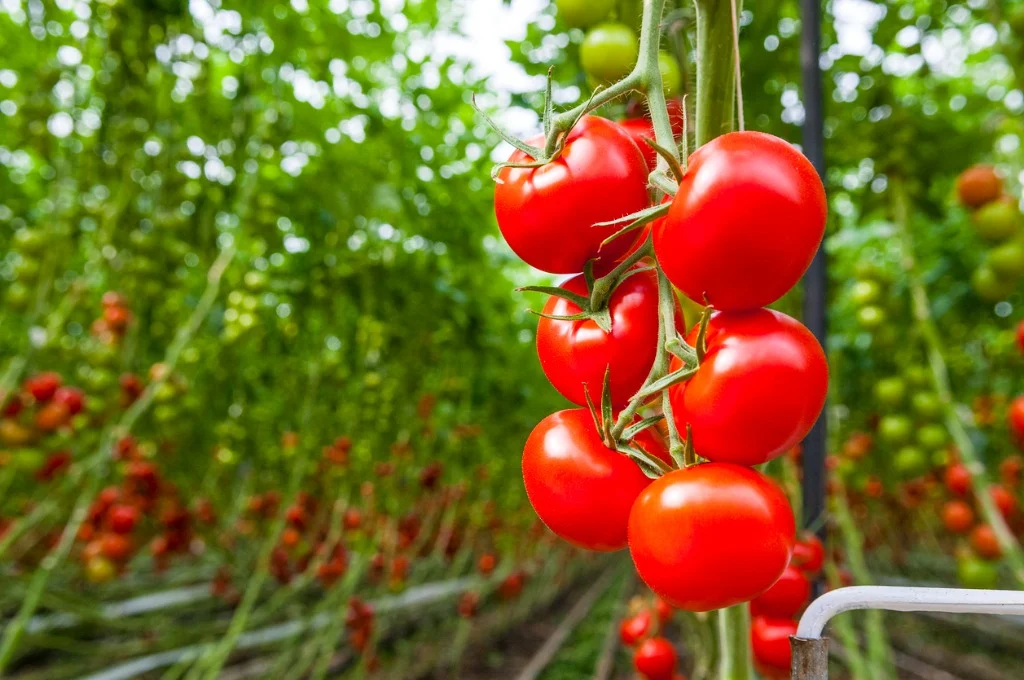
The absolute greatest benefit of using a seaweed fertilizer for tomatoes is its ability to combat environmental stress. When the summer temperatures spikes into the 90s (32°C and above), tomato plants panic. They close their leaf pores (stomata) to conserve water, stop photosynthesizing, and drop their blossoms. The cytokinins found in liquid kelp significantly mitigate this heat stress. Regular applications of kelp extract help the plant regulate its moisture retention, allowing it to continue growing and setting fruit even during brutal summer heatwaves.
Massive Root Development and Disease Prevention
The auxins in kelp trigger explosive root growth. A tomato plant with a massive, deeply penetrating root system can access water and nutrients that shallow-rooted plants cannot reach. This robust root system plays a critical role in preventing physiological issues. For example, tomatoes require a constant, steady stream of calcium to build the cell walls of their fruit. If the roots dry out or fail to absorb calcium properly, the bottom of your developing tomatoes will collapse into a black, leathery patch. This is known as calcium deficiency or blossom end rot. By fostering a massive root zone with kelp, you ensure the plant can efficiently uptake the calcium already present in your soil.
Superior Alternative in the Organic vs. Synthetic Debate
When weighing organic vs. synthetic options, chemical fertilizers only provide the bare minimum NPK salts required for basic growth. They offer zero trace minerals and actively degrade the complex web of life in your topsoil. Kelp, on the other hand, contains complex carbohydrates (like mannitol and alginic acid) that act as a direct food source for beneficial soil bacteria and mycorrhizal fungi. When you feed the soil food web with kelp, those microbes reward you by breaking down other locked-up nutrients in the dirt, making them bio-available to your tomato plants.
Improved Fruit Set and Flavor
Because kelp is a reliable source of organic potassium, it plays a direct role in fruit development. Potassium is the nutrient responsible for moving sugars and carbohydrates from the leaves down into the fruit. Tomatoes grown with regular kelp applications consistently show better coloration, more uniform ripening, and a richer, sweeter flavor profile.
How to use it — dosage and timing
Because kelp is largely a biostimulant rather than a primary NPK fertilizer, you have a wide margin of safety when applying it. However, proper timing will yield the most dramatic results in your garden.
Using Kelp Meal for Tomatoes (Slow Release)
Kelp meal is a dry, granular amendment that breaks down slowly over several months. It is best used for long-term soil building.
- At Planting: When you transplant your tomato seedlings into the garden in the spring, mix 1 to 2 tablespoons of dry kelp meal directly into the bottom of the planting hole, along with your compost and primary granular fertilizer.
- Top Dressing: Mid-way through the summer, you can sprinkle 2 tablespoons of kelp meal in a ring around the base of the plant and scratch it gently into the top inch of the soil.
Using Liquid Kelp for Tomatoes (Fast Acting)
Liquid kelp is instantly bio-available and is your best tool for active, ongoing maintenance.
- Soil Drench: Mix 1 to 2 tablespoons of concentrated liquid kelp per gallon of water. Use a watering can to pour about half a gallon of this mixture directly onto the soil at the base of each tomato plant. Do this every 10 to 14 days.
- Foliar Feeding: Tomatoes can absorb nutrients directly through the stomata on their leaves. Mix 1 tablespoon of liquid kelp per gallon of water in a pump sprayer. Spray the plants thoroughly—making sure to coat the undersides of the leaves—early in the morning before the sun gets too hot. Foliar feeding provides an instant dose of stress-relieving hormones right when the plant needs them most.
The Ultimate Combo: Fish and Kelp Fertilizer for Tomatoes
If you want to simplify your organic feeding schedule, the holy grail of tomato nutrition is combining fish emulsion with liquid kelp. Remember, kelp provides almost zero nitrogen. Fish emulsion provides a massive dose of fast-acting organic nitrogen (typically a 5-1-1 ratio), but lacks the complex growth hormones of seaweed. By mixing both together in the same watering can (or buying a pre-mixed commercial fish and kelp blend), you give your tomatoes the nitrogen they need to build thick, leafy vines, alongside the kelp-derived hormones they need to combat heat and build roots.
Risks of overuse or incorrect use
While kelp is generally one of the safest organic amendments you can use in a home vegetable garden, it is not completely foolproof. Misunderstanding its role in your garden’s ecosystem can lead to frustrating setbacks.
Ignoring Primary NPK Requirements
The single biggest mistake gardeners make is treating liquid kelp as a standalone fertilizer. If you only feed your tomatoes kelp, they will eventually starve. Tomatoes are incredibly hungry plants that need large amounts of nitrogen to grow vines, and heavy doses of phosphorus to produce blossoms. Because kelp is extremely low in these primary macronutrients, it must be used as a supplement alongside a robust primary fertilizer, such as composted manure, blood meal, bone meal, or a balanced granular tomato feed.
Hormonal Overload
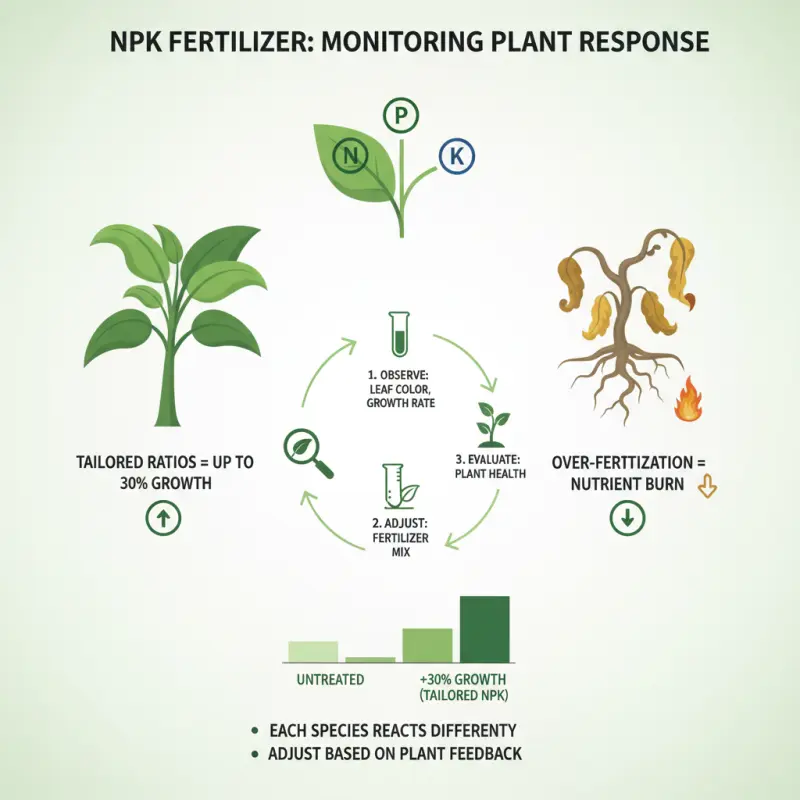
While the auxins and cytokinins in seaweed are fantastic for plant health, there can be too much of a good thing. If you mix your liquid seaweed at triple the recommended strength and spray your plants every single day, you run the risk of creating a hormonal imbalance within the plant tissue. This can cause the tomato’s leaves to look twisted, curled, or mutated, and can actually inhibit vertical growth rather than promoting it. Always stick to the manufacturer’s dilution rates.
Salt Buildup from Low-Quality Products
Because seaweed comes from the ocean, it naturally contains sea salt (sodium chloride). High-quality, reputable manufacturers go to great lengths to wash and process their kelp to remove excess sodium before bottling it. However, if you purchase incredibly cheap, low-grade liquid kelp, it may still contain high salt levels. Over multiple seasons of heavy use, this salt can build up in your garden beds, dehydrating the roots of your plants and locking out other essential nutrients. Always buy high-quality, cold-pressed kelp from trusted organic brands.
Kelp/Seaweed vs. other organic inputs
To build a thriving, productive garden, it helps to understand how different organic inputs complement one another. Kelp is a puzzle piece, not the entire picture. Review this comparison table to see how seaweed fits into a complete organic tomato feeding schedule:
| Organic Input | Average NPK Ratio | Primary Function for Tomatoes | Best Application Method | Release Speed |
|---|---|---|---|---|
| Liquid Kelp | 0-0-1 | Heat resistance, root hormones, and trace minerals. | Foliar spray or soil drench every 2 weeks. | Very Fast |
| Kelp Meal | 1-0-2 | Long-term soil conditioning and potassium supply. | Mixed into the planting hole in spring. | Slow (Months) |
| Fish Emulsion | 5-1-1 | Rapid vine and leaf growth early in the season. | Soil drench during the vegetative stage. | Fast (Days) |
| Bone Meal | 3-15-0 | Massive blossom production and slow-release calcium. | Scratched into soil at planting. | Slow (Months) |
| Tomato-Tone | 3-4-6 | Balanced macronutrients for steady, season-long fruiting. | Top-dressed every 4 weeks. | Moderate (Weeks) |
As you can see, kelp fills a unique void in the organic garden. While bone meal and granular feeds handle the heavy lifting of producing the physical structure of the plant and fruit, kelp acts as the immune system and stress-regulator. Combining a high-quality fish and kelp liquid feed with a granular baseline provides arguably the most complete and effective nutritional profile possible for the common garden tomato.

FAQ
How much Kelp/Seaweed should I use per tomato plant?
- When using liquid kelp, mix 1 to 2 tablespoons per gallon of water and apply about a half-gallon of this diluted mixture to the root zone of each plant every two weeks. If you are using dry kelp meal, mix 1 to 2 tablespoons directly into the soil of the planting hole when transplanting your seedlings in the spring.
Can I use too much Kelp/Seaweed?
- Yes, while it will not “burn” your plants in the same way chemical nitrogen fertilizers do, drastically over-applying liquid seaweed can cause a hormonal imbalance in the tomato plant. This excessive application of plant hormones can lead to distorted, twisted foliage and stunted overall growth, so always follow the dilution rates on the bottle.
How long does it take for Kelp/Seaweed to work?
- Liquid kelp is instantly bio-available; when applied as a foliar spray early in the morning, the plant absorbs the trace minerals and hormones through its leaves and will show increased perkiness and stress resistance within 24 to 48 hours. Granular kelp meal, however, must be broken down by soil microbes and takes several weeks to begin releasing its benefits.
Can Kelp/Seaweed be combined with other organic fertilizers?
- Absolutely. Kelp is most effective when used as a supplement alongside a primary NPK fertilizer. Combining liquid kelp with liquid fish emulsion in the same watering can creates the ultimate organic feed, providing both the heavy nitrogen required for growth and the hormones and trace minerals necessary for root health and stress resistance.

Neptune’s Harvest Liquid Seaweed Extract
Organic Biostimulant • 60+ Trace Minerals • Cold-Pressed
The ultimate stress-reliever for tomato plants. This cold-pressed liquid kelp fertilizer provides essential trace minerals and natural growth hormones to boost root development, prevent blossom drop, and protect against summer heat.
✓ Essential for Heat Resistance
