

Best Tomato Fertilizer in 2026: Top Picks Reviewed
The best fert for tomatoes is a calcium-rich, slow-release organic granular blend like Espoma Tomato-Tone for in-ground beds, or a water-soluble synthetic like Miracle-Gro Tomato Plant Food for quick container boosts. The ideal fertilizer matches the plant’s growth stage with adequate phosphorus, potassium, and blossom-end-rot-preventing calcium.
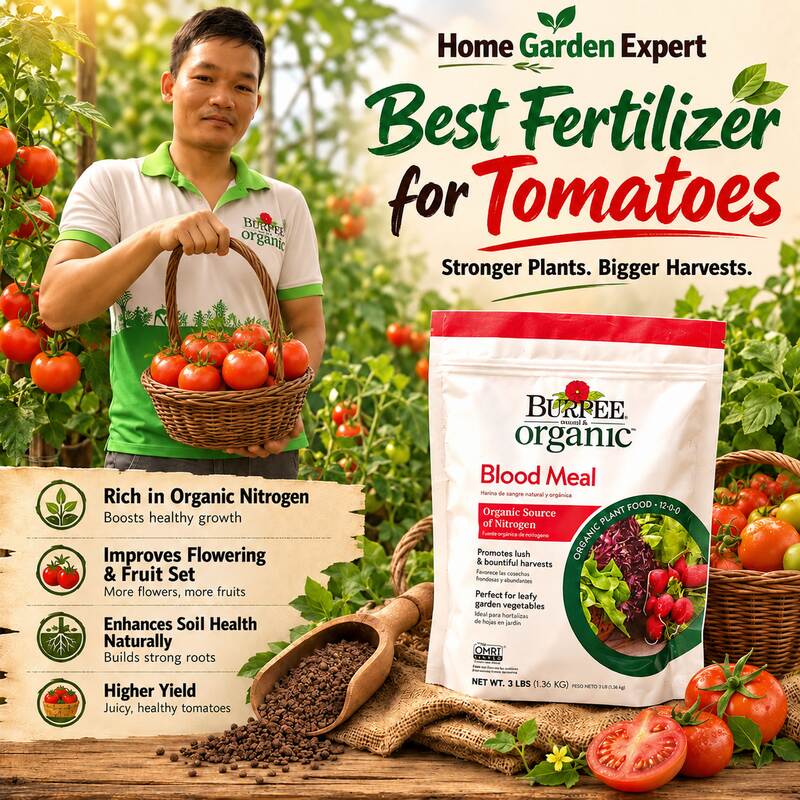
Growing a massive crop of juicy, heavy tomatoes is the ultimate goal for almost every home vegetable gardener. However, tomatoes are notoriously heavy feeders that quickly deplete the soil of essential nutrients. If you want a garden that produces buckets of fruit rather than just a tangled jungle of green vines, you must intervene with the right nutrition. With hundreds of products lining the shelves of your local garden center, choosing the best fertilizer for growing tomatoes can feel overwhelming.
In this comprehensive guide, we will break down exactly what your tomato plants need to thrive, review the top-performing products on the market, and help you select the ideal fertilizer for tomatoes based on your specific gardening setup, whether you are growing in raised beds, five-gallon buckets, or traditional in-ground rows.
What to look for in a tomato fertilizer
Not all plant foods are created equal. A product that works wonders for your lush green lawn will likely ruin your tomato harvest. When you are shopping for a good fertilizer for tomato plants, you need to look past the marketing claims on the front of the bag and examine the nutritional science on the back label.
Here are the critical elements you must evaluate before making a purchase.
The NPK Ratio: The Blueprint of Plant Growth
Every commercial fertilizer displays a three-number sequence on the packaging, known as the NPK ratio. These numbers represent the percentage by weight of Nitrogen (N), Phosphorus (P), and Potassium (K) inside the bag.
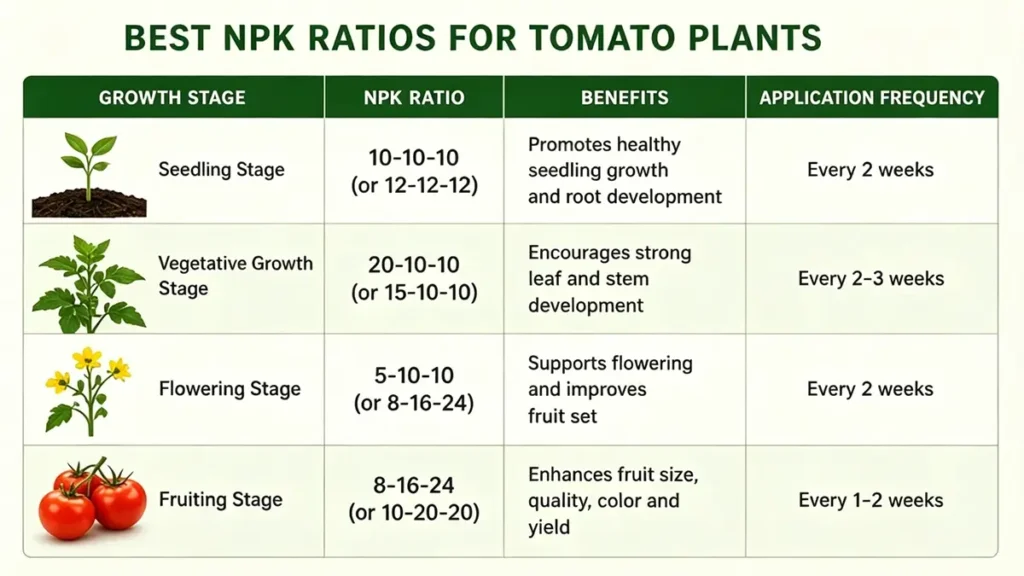
- Nitrogen (N): Nitrogen is responsible for vegetative growth. It builds the stems, branches, and lush green leaves. Early in the season, tomatoes need nitrogen to establish a strong framework. However, if you apply a high-nitrogen fertilizer (like a 24-8-16) too late in the season, the plant will suffer from “all vine, no dine”—producing massive foliage but refusing to set blossoms.
- Phosphorus (P): Phosphorus is the driver of root development and early flower production. A healthy dose of phosphorus at planting helps the seedling overcome transplant shock and establishes a deep root system capable of pulling water during summer droughts.
- Potassium (K): Potassium is the true secret to a massive tomato harvest. It regulates the plant’s water uptake and is heavily responsible for moving carbohydrates into the developing fruit. High potassium levels lead to larger, sweeter, firmer tomatoes and help the plant resist diseases.
The best fertilizer for tomato plants will generally feature a balanced or low-nitrogen ratio, such as 3-4-6 or 4-18-38, ensuring the plant focuses its energy on fruit production rather than just leafy overgrowth.
Calcium: The Ultimate Disease Preventative
Beyond the primary NPK macronutrients, tomatoes require substantial amounts of secondary nutrients, most notably calcium. Calcium is the structural glue that holds plant cell walls together. When a tomato plant cannot absorb enough calcium, the cellular structure at the bottom of the fruit collapses. This results in blossom end rot, a devastating physiological disorder that turns the bottom of your ripening tomatoes into a black, sunken, leathery scab.
When searching for the best fert for tomatoes, prioritize products that explicitly list calcium on the ingredient label. How to fix and prevent blossom end rot.
Organic vs. Synthetic Options
You must also decide between organic and synthetic formulas, as they interact with your garden in entirely different ways.

- Organic Fertilizers: Derived from natural sources like composted poultry manure, bone meal, blood meal, and kelp. Organic fertilizers are slow-release. They must be consumed and broken down by soil microbes before the nutrients become available to the plant roots. While they take longer to act, they improve long-term soil structure, encourage earthworms, and carry virtually zero risk of “fertilizer burn.”
- Synthetic Fertilizers: Chemically manufactured salts that are 100% water-soluble. Synthetics provide immediate, precise nutrition that the plant can absorb the exact moment you water it. They are fantastic for rapid emergency corrections and container gardening, but they do nothing to build long-term soil health and can easily burn delicate roots if over-applied.
Biological Enhancers: Microbes and Mycorrhizae
The most advanced organic fertilizers on the market today go beyond just providing raw nutrients; they actively inoculate your soil. Look for brands that include beneficial soil microbes (probiotics) and mycorrhizal fungi. Mycorrhizae form a symbiotic relationship with the tomato roots, effectively extending the root system’s reach into the soil to scavenge for water and phosphorus that the plant could not access on its own.
Top 10 product comparison table (price, NPK, form, rating)
To help you find the best fertilizer for tomatoes quickly, we have compiled a comparison of the top 10 most effective and highly-rated products used by home gardeners and commercial growers alike.
| Product Name | NPK Ratio | Format & Speed | Type | Approx. Price | Avg. Rating |
|---|---|---|---|---|---|
| Espoma Organic Tomato-Tone | 3-4-6 | Granular (Slow) | Organic | $$ | 4.8 / 5 |
| Dr. Earth Home Grown Tomato | 4-6-3 | Granular (Slow) | Organic | $$ | 4.7 / 5 |
| Miracle-Gro Water Soluble Tomato | 18-18-21 | Powder (Instant) | Synthetic | $ | 4.7 / 5 |
| Jobe’s Organics Veg & Tomato | 2-5-3 | Granular (Slow) | Organic | $$ | 4.6 / 5 |
| Osmocote Smart-Release Plus | 15-9-12 | Prills (Up to 6 mos.) | Synthetic | $$$ | 4.8 / 5 |
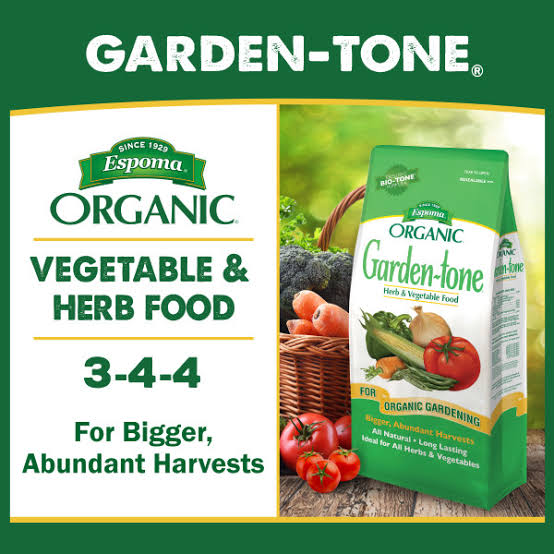
| Espoma Organic Garden-Tone | 3-4-4 | Granular (Slow) | Organic | $$ | 4.8 / 5 |
| Espoma Organic Plant-Tone | 5-3-3 | Granular (Slow) | Organic | $$ | 4.7 / 5 |
| Espoma Organic Chicken Manure | 5-3-2 | Granular (Slow) | Organic | $ | 4.6 / 5 |
| Miracle-Gro All Purpose Plant Food | 24-8-16 | Powder (Instant) | Synthetic | $ | 4.8 / 5 |
| Garden Safe Take Root Hormone | N/A | Powder (Rooting) | Synthetic | $ | 4.5 / 5 |
Recommendations by situation (containers, garden beds, organic, budget)
Because every garden environment is unique, a good fertilizer for tomatoes in an in-ground bed might perform poorly in a patio container. Below, we break down our top 10 products by their best use cases to help you make an informed decision for your specific growing situation.

Best Fertilizer for In-Ground Garden Beds & Raised Beds
When growing in the ground or in large raised beds, you want to focus on building a robust, living soil ecosystem. Organic granular fertilizers are the absolute best choice here, as they feed the plant while simultaneously improving the soil tilth.
Espoma Organic Tomato-Tone (3-4-6)
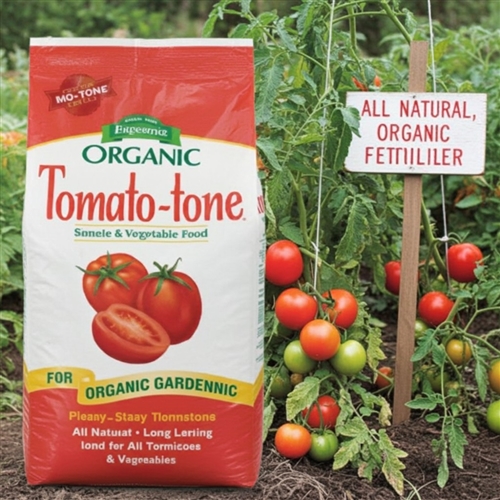
This is widely considered the gold standard and arguably the best fert for tomatoes on the market for organic gardeners. Espoma Tomato-Tone features an ideal 3-4-6 NPK ratio, deliberately keeping nitrogen low while pushing potassium to encourage massive fruit sets. What makes Tomato-Tone stand out is its guaranteed 8% calcium content, which works wonders for preventing blossom end rot. It also includes Espoma’s proprietary “Bio-tone” microbes to stimulate root growth. If you only buy one fertilizer this year, this is the safest, most reliable choice.
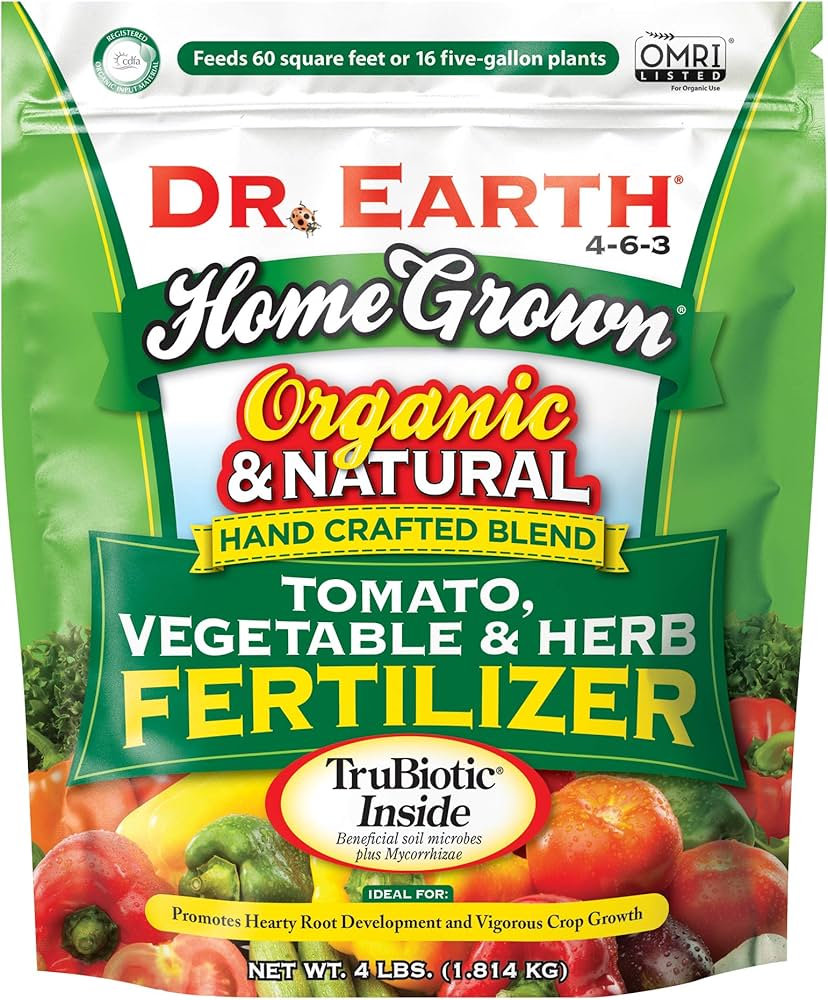
Dr. Earth Home Grown Tomato, Vegetable & Herb Fertilizer (4-6-3)
A very close competitor to Tomato-Tone, Dr. Earth offers a premium organic granular feed that excels in building root mass. It is crafted without any chicken manure, which makes it significantly less odorous—a big plus if your raised beds are right next to your patio. Dr. Earth is packed with probiotics, seven champion strains of beneficial soil microbes, and ecto and endo mycorrhizae. This biological army helps break down the organic matter quickly, making the 4-6-3 nutrients available to the tomato plants faster than traditional compost.
Best Fertilizer for Container Tomatoes
Growing tomatoes in pots, grow bags, or containers requires a completely different strategy. Every time you water a container, soluble nutrients wash out the bottom drainage holes. You must use fertilizers that either provide a continuous, metered release or can be reapplied frequently via a watering can.
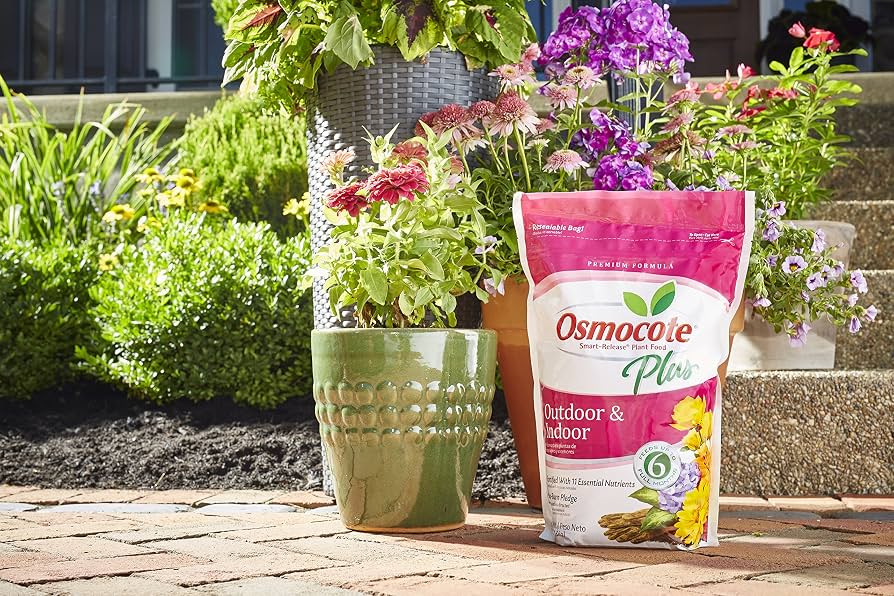
Osmocote Smart-Release Plant Food Plus Outdoor & Indoor (15-9-12)
For gardeners who want a “set it and forget it” solution, Osmocote is the ultimate choice. These are synthetic, semi-permeable resin prills that coat a water-soluble fertilizer core. The genius of Osmocote is that it releases nutrients based on soil temperature; as the summer heats up and the tomato plant grows faster, the prills release more food. A single application mixed into your container potting soil can feed a tomato plant continuously for up to six months, completely eliminating the need for weekly feeding schedules.
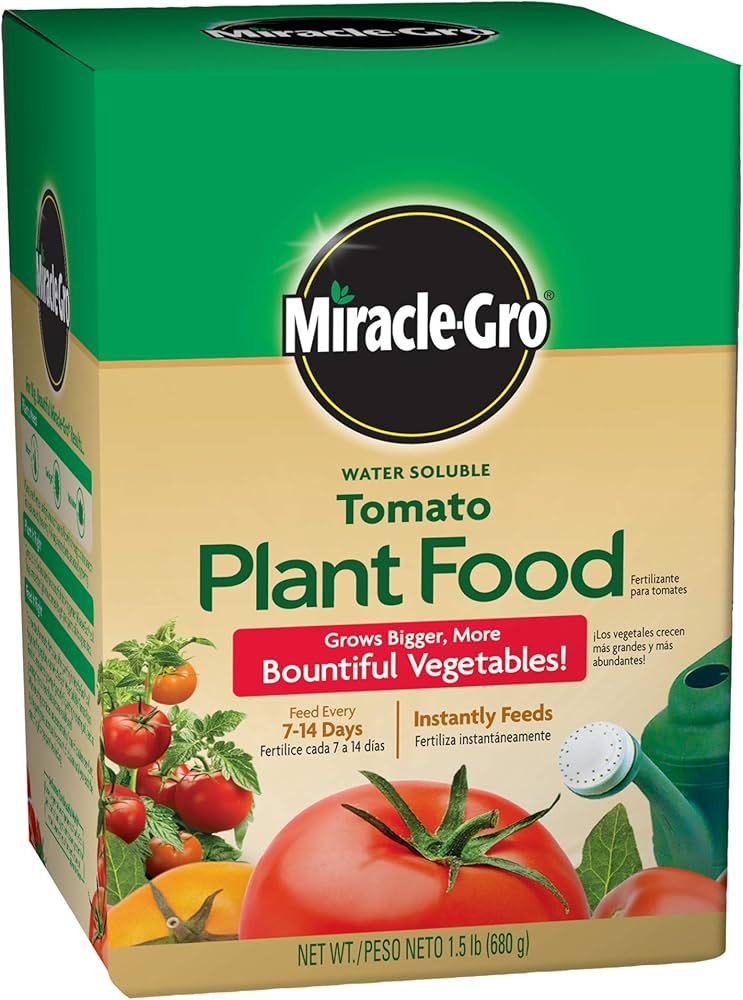
Miracle-Gro Water Soluble Tomato Plant Food (18-18-21)
If your potted tomatoes are looking yellow, tired, or have stalled in their growth, you need an instant fix. Miracle-Gro’s tomato-specific formula dissolves completely in water and delivers an immediate, highly concentrated payload of 18-18-21 directly to the root zone. Because it is synthetic and water-soluble, it requires discipline; you must apply it every 7 to 14 days to keep container plants happy. While it lacks the soil-building properties of organic options, it is unmatched for generating rapid, explosive fruit growth in confined pots.
Best for Organic Soil Conditioning & Pre-Planting
Sometimes your garden soil needs a foundational boost before the tomatoes even go into the ground. These products are ideal for prepping your beds in early spring.
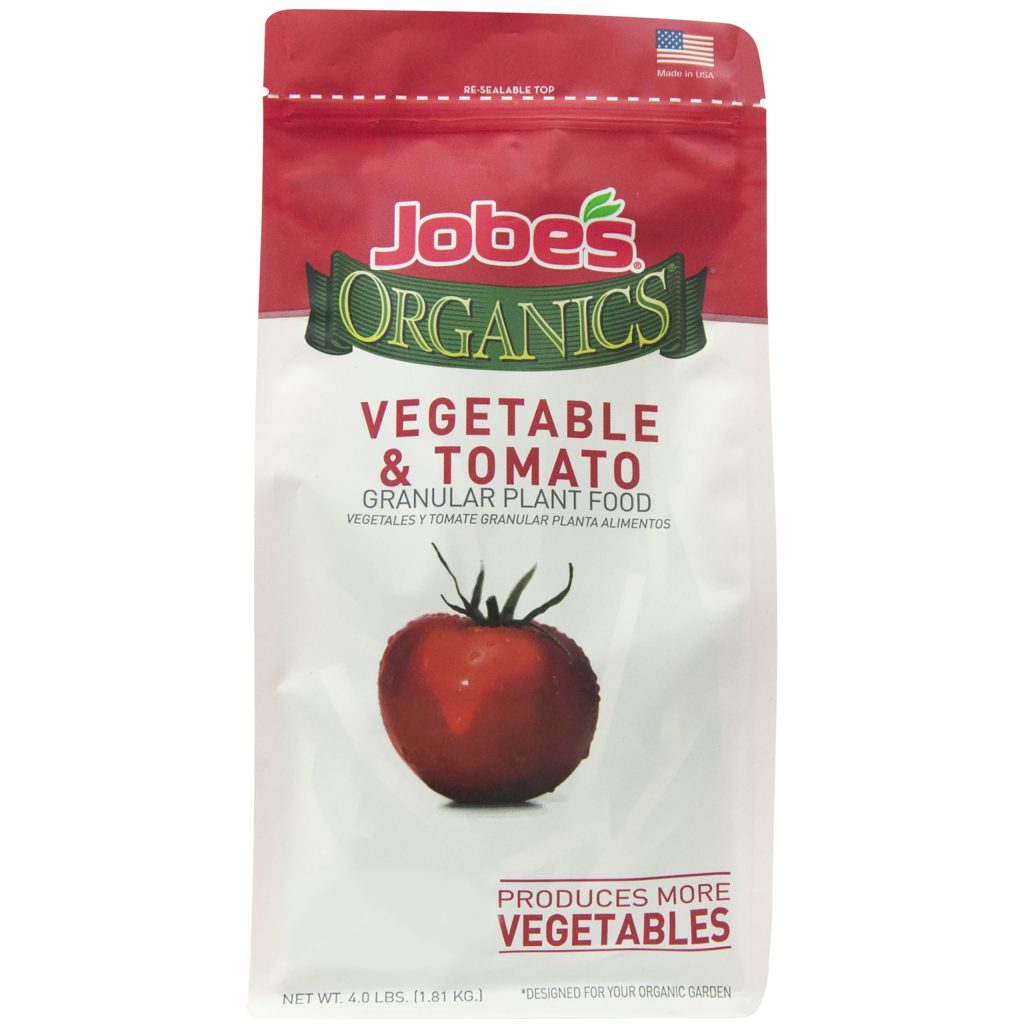
Jobe’s Organics Vegetable & Tomato Fertilizer (2-5-3)
Jobe’s granular formula is an OMRI-listed organic fertilizer that shines during the transplanting phase. With a 2-5-3 ratio, it provides a heavy dose of phosphorus to help young seedlings establish deep roots quickly. It is famously powered by “Biozome,” a highly aggressive proprietary microorganism archaea that breaks down nutrients faster than standard soil bacteria, making this a fantastic option for colder spring soils where traditional organics might act too slowly.
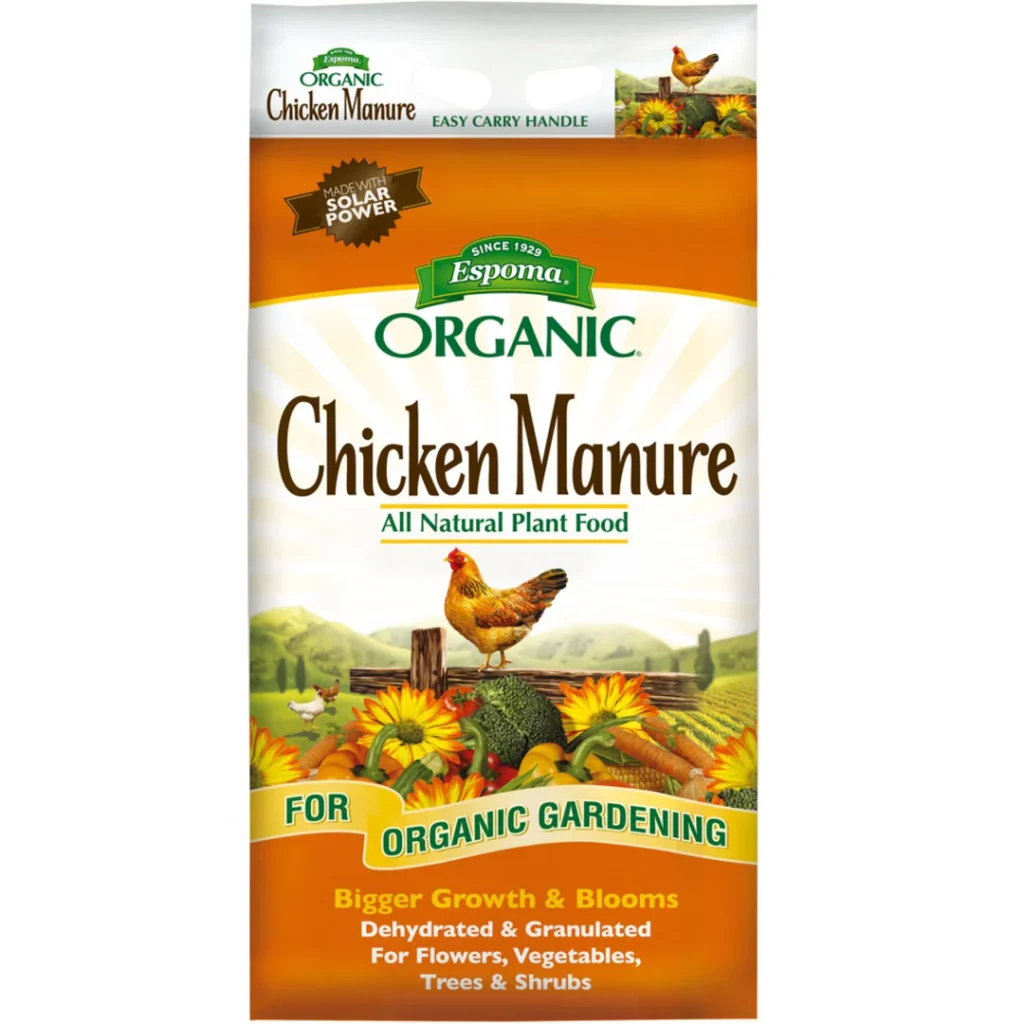
Espoma Organic Chicken Manure (5-3-2)
If your garden soil is heavily depleted or sandy, pure organic chicken manure is an incredible foundational amendment. Dehydrated and pelletized to remove harmful pathogens, this 5-3-2 fertilizer adds vital organic matter to the soil, improving moisture retention while delivering a steady, slow release of early-season nitrogen. It is best used as a pre-planting soil conditioner rather than a mid-summer fruiting boost.
Espoma Organic Plant-Tone (5-3-3) & Garden-Tone (3-4-4)
If you grow a highly diverse vegetable garden and do not want to buy a separate bag just for tomatoes, these two all-purpose organic blends are phenomenal. Plant-Tone (5-3-3) is slightly higher in nitrogen, making it a great early-season feed to push vine growth. Garden-Tone (3-4-4) is an excellent, well-rounded mid-season fertilizer for tomatoes, peppers, squash, and leafy greens alike. Both contain the essential microbes necessary to maintain a living, breathing garden bed.
Best Budget / Emergency Fix
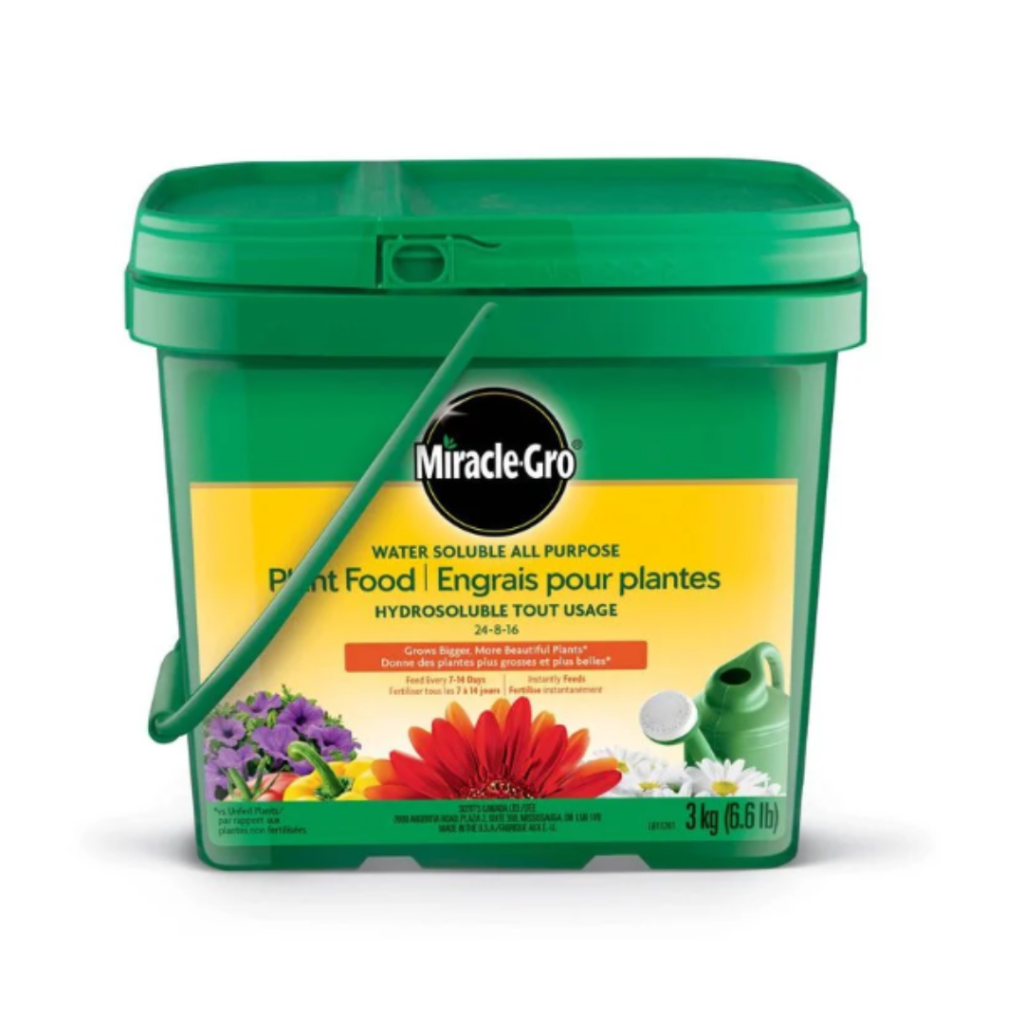
Miracle-Gro Water Soluble All Purpose Plant Food (24-8-16)
While a 24-8-16 ratio is generally far too high in nitrogen for mature, fruiting tomatoes, this iconic blue powder holds a specific place in the gardener’s toolkit. If your tomato seedlings are severely stunted, suffering from extreme nitrogen deficiency (yellowing lower leaves), and you are on a strict budget, a highly diluted dose of this all-purpose feed will force immediate green growth. Once the plant recovers and begins flowering, you must stop using this product and switch to a high-potassium alternative to prevent blossom drop.
Bonus Tool for Tomato Propagators
Garden Safe Take Root Rooting Hormone
While not a fertilizer in the traditional NPK sense, rooting hormone is an indispensable tool for tomato growers. Tomatoes have the unique ability to grow roots along their entire stem. When you prune the “suckers” (the side shoots that grow in the crotch joints of the main stem), you do not have to throw them away. By dipping the cut end of a sucker into Garden Safe Take Root powder and placing it in moist potting soil, you can clone your best tomato plants and generate entirely new, free, mature plants in a matter of days.
How to apply it for best results
Even the best fert for tomatoes will fail if applied incorrectly. The timing, placement, and method of your fertilizer application dictate how well the plant can absorb the nutrients. Follow these practical steps to maximize your harvest.
Step 1: The Pre-Planting Soil Drench
- Before you place your tomato seedling into the garden, dig your planting hole slightly deeper than necessary. Take a handful of your chosen slow-release organic granular fertilizer (like Tomato-Tone or Dr. Earth) and mix it thoroughly into the loose dirt at the bottom of the hole. Place a small, unfertilized layer of dirt over this mix before setting the root ball in. This prevents immediate “root burn” while ensuring that as the plant’s roots grow downward, they hit a rich pocket of phosphorus and calcium right when they need it most.
Step 2: Early Season Growth
- For the first three to four weeks, allow the plant to rely on the fertilizer you placed in the planting hole. If you notice the lower leaves turning pale yellow, apply a half-strength liquid fertilizer to provide a gentle nitrogen boost. Otherwise, leave the plant alone and let the roots hunt for water.
Step 3: Mid-Season Side-Dressing
- The moment you see the first cluster of yellow blossoms open on the vine, it is time to feed the plant again. This is called “side-dressing.” Take your granular fertilizer and sprinkle it in a wide ring around the plant. Crucial rule: Never pile fertilizer directly against the main stem of the tomato plant; the concentrated salts can rot the stalk. Instead, apply the granules along the “drip line”—the imaginary circle on the ground directly below the outermost tips of the plant’s leaves. Gently scratch the fertilizer into the top inch of soil using a hand cultivator.
Step 4: The Golden Rule of Watering
- Never, under any circumstances, apply fertilizer to a tomato plant that is suffering from drought stress. If the soil is bone dry, the sudden introduction of chemical salts (even organic ones) will rapidly pull moisture out of the plant’s fine root hairs, severely damaging the root system. Always water your tomato plants deeply with plain water first, allow the soil to soak it up, and then apply your liquid or granular fertilizer.
FAQ
What’s the best all-around fertilizer for tomatoes?
- For the vast majority of home gardeners planting in raised beds or in-ground rows, Espoma Organic Tomato-Tone is the best all-around fertilizer. Its 3-4-6 NPK ratio perfectly supports fruit development without causing excessive leafy vine growth, and its guaranteed 8% calcium content is unmatched for preventing blossom end rot.
How much should I expect to spend on tomato fertilizer per season?
- For a small home garden with 4 to 6 tomato plants, a single 4-pound bag of high-quality organic granular fertilizer (costing between $10 and $15) will easily last the entire growing season. If you are growing in containers and relying on water-soluble synthetic fertilizers, expect to spend closer to $15 to $20 per season due to the higher frequency of application required.
Is liquid or granular fertilizer better for tomatoes?
- Neither is inherently better; they serve different purposes. Slow-release granular fertilizers are better for building long-term soil health and providing a steady, low-maintenance diet for in-ground plants. Liquid fertilizers are better for rapid, immediate nutrient correction and are essential for maintaining heavy yields in container gardening, where nutrients are frequently washed away.
Can I use the same fertilizer for container and in-ground tomatoes?
- While you can use the same fertilizer, you must drastically alter your application schedule. Granular fertilizers applied to in-ground beds only need to be refreshed every 4 to 6 weeks, but if used in a container, those same nutrients will leach out much faster through the drainage holes, requiring you to supplement with water-soluble liquid feeds every 1 to 2 weeks.
Espoma Organic Tomato-Tone (3-4-6)
