

Tomato Plant Food vs. Fertilizer: What’s the Difference?
Botanically speaking, plants make their own “food” (sugars) through photosynthesis using sunlight and carbon dioxide. Fertilizer provides the essential soil minerals needed to facilitate that process. However, in retail gardening, the terms are entirely interchangeable. Whether a package says “plant food for tomato plants” or “tomato fertilizer,” both deliver the exact same vital nutrients to your garden.
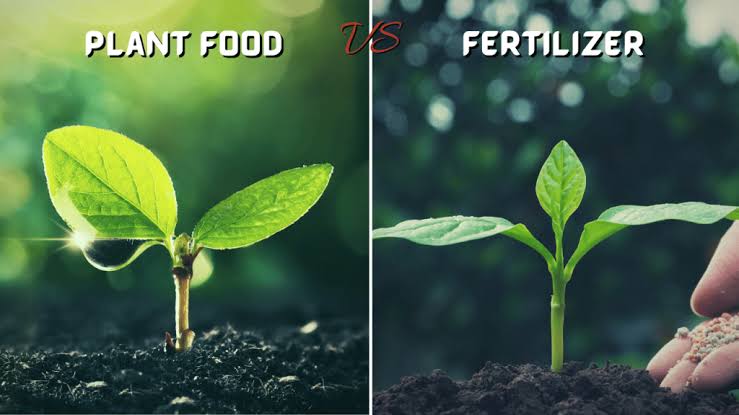
Defining plant food vs. fertilizer
When you walk down the aisle of your local garden center, you will see rows of colorful boxes, bags, and bottles. Some loudly proclaim to be the ultimate tomato plant food, while others are labeled simply as tomato fertilizer. This overlapping terminology causes endless confusion for home gardeners. To clear it up, we need to look at both the strict scientific definition and the commercial marketing reality.
The Botanical Definition
In the world of botany and horticulture, the distinction is black and white. Plants are autotrophs, meaning they create their own food. Through the miracle of photosynthesis, a tomato plant uses sunlight, water from the soil, and carbon dioxide from the air to manufacture glucose (sugar). This glucose is the actual “food” the plant consumes for energy to grow stems, leaves, and eventually, fruit.
Fertilizer, on the other hand, is the collection of raw chemical elements and minerals found in the soil that act as the building blocks and catalysts for photosynthesis and growth. Without these raw minerals, the plant cannot manufacture its own food. The three primary macronutrients in fertilizer are represented by the NPK ratio:
- Nitrogen (N): Essential for producing chlorophyll, the green pigment that captures sunlight.
- Phosphorus (P): Critical for energy transfer within the plant, root development, and flower production.
- Potassium (K): Regulates water movement, strengthens cellular walls, and is heavily responsible for sizing up and sweetening your tomato fruits.
The Commercial Reality
Despite the clear scientific difference, the retail gardening industry has completely blurred the lines. Fertilizer companies know that the term “fertilizer” sounds like a harsh, industrial chemical, whereas “plant food” sounds nurturing, natural, and caring. Therefore, they frequently label their nutrient products as food.
If you buy a product marketed as the best plant food for tomato plants, you are simply buying a fertilizer. In European markets and increasingly in the US, you will also see these products referred to as a tomato feed. Whether you call it tomato plant feed, fertilizer, or food, the contents inside the package serve the exact same purpose: supplying your garden soil with NPK and trace minerals.
When to use each one
Even though “food” and “fertilizer” mean the same thing on a retail shelf, brands tend to use these specific terms to describe different formats of their products. Understanding how these products are typically marketed will help you decide when to use each type in your garden.
When to Use “Plant Food” (Water-Soluble and Liquids)
Products labeled as a tomato food plant supplement or tomato feed are most often water-soluble powders or concentrated liquids. You mix them into your watering can and apply them directly to the soil or spray them onto the foliage.
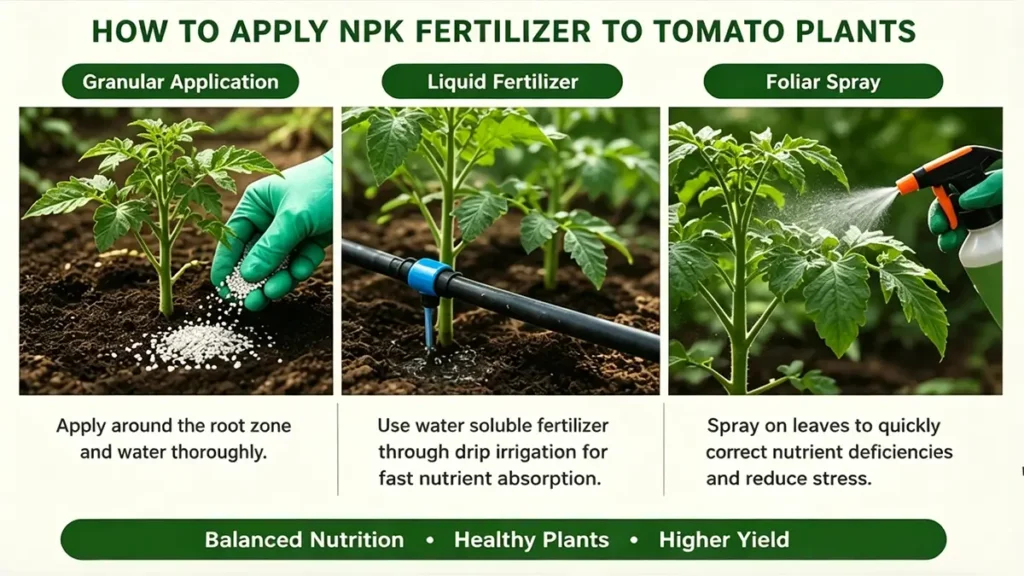
Because these nutrients are pre-dissolved in water, they are instantly available to the plant’s roots. You should reach for this type of fast-acting tomato feed for plants when:
- Growing in containers: Potted tomatoes quickly exhaust the nutrients in their potting soil, and frequent watering washes those nutrients out of the drainage holes. A weekly dose of liquid tomato feed replenishes the soil immediately.
- Fixing a deficiency: If your tomato leaves are suddenly turning pale yellow (indicating a nitrogen deficiency), a liquid plant food will green them up in a matter of days.
- During peak fruiting: When the plant is loaded with dozens of developing tomatoes, its demand for potassium skyrockets. A liquid feed provides an instant energy shot to support that heavy crop.
When to Use “Fertilizer” (Dry Granulars and Spikes)
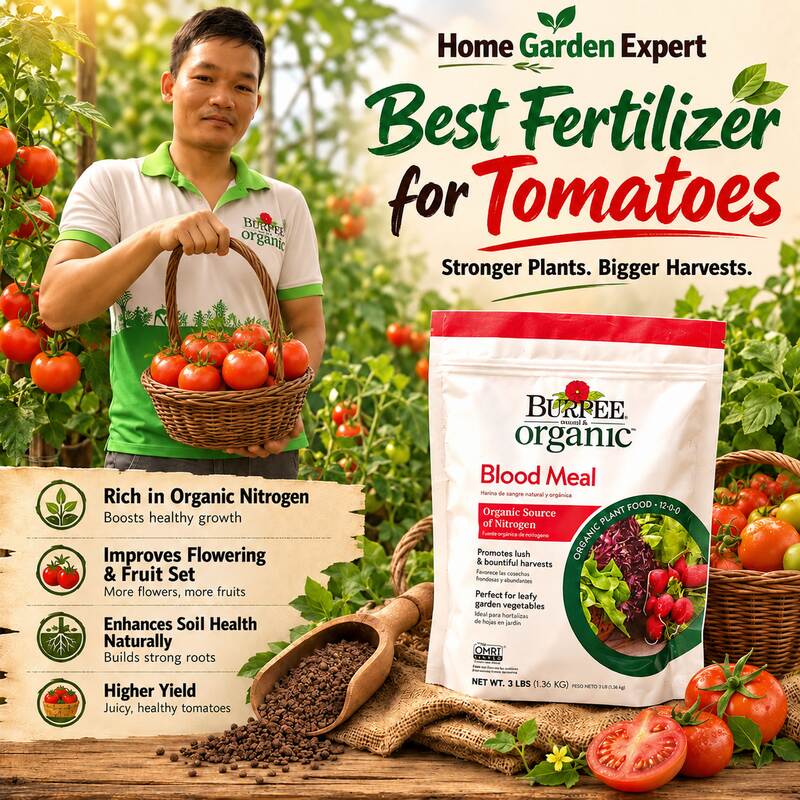
Products strictly labeled as “fertilizer” are usually dry, granular, or pelletized formats. When comparing organic vs. synthetic options, organic granular fertilizers (like composted manure, bone meal, or blood meal) are considered slow-release. They must be broken down by soil microbes before the plant can absorb the nutrients.
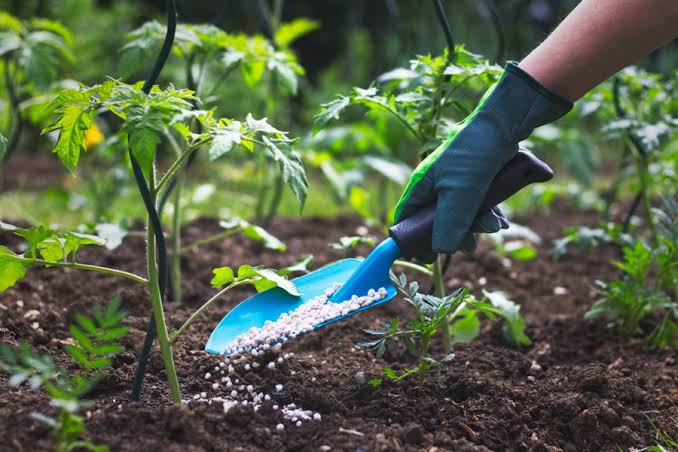
You should rely on granular fertilizers when:
- Prepping your garden beds: Mixing a slow-release granular fertilizer into the soil before you transplant your seedlings provides a steady, reliable baseline of nutrition for the first month of growth.
- Side-dressing mid-season: Rather than feeding your plants every week, you can scratch a granular fertilizer into the top inch of the soil around the base of the plant every four to six weeks. Every time it rains, a small dose of nutrients leaches into the root zone.
Don’t Forget the Micronutrients
Regardless of whether you buy a liquid tomato feed plants absorb quickly or a slow-release granular fertilizer, you must ensure the product contains calcium. Tomatoes are notoriously heavy feeders of calcium. A lack of calcium in the fruit leads directly to a heartbreaking disorder that causes the bottom of the tomato to turn into a black, leathery scab. How to fix and prevent blossom end rot. Always check the label to ensure calcium is part of the ingredient list.
Product examples of each
To help you navigate the garden center aisles, here is a breakdown of how the terminology aligns with the actual physical products, and how you should utilize them for your tomato crop.
| Retail Label / Terminology | Typical Physical Format | Nutrient Release Speed | Best Garden Application | Example Product Types |
|---|---|---|---|---|
| “Tomato Plant Food” | Water-soluble blue crystals or concentrated liquid | Instant / Fast-acting. Nutrients are immediately absorbed by roots and leaves. | Container gardening, rapid correction of pale leaves, and boosting plants during heavy fruiting phases. | Miracle-Gro Water Soluble Tomato Plant Food, FoxFarm Liquid Concentrates. |
| “Tomato Fertilizer” | Dry, coarse granules, pellets, or compressed spikes | Slow / Gradual. Releases nutrients over 4 to 8 weeks depending on watering and soil temperature. | Mixing into the planting hole in spring, and side-dressing large in-ground garden beds once a month. | Espoma Organic Tomato-Tone, Jobe’s Tomato Fertilizer Spikes. |
| “Tomato Feed” | Thick, organic liquid emulsion (often fish or kelp-based) | Fast to Moderate. Nutrients are highly soluble but organic compounds require some microbial breakdown. | Excellent for seedlings, early vegetative growth, and organic gardeners needing a quicker boost than granulars provide. | Neptune’s Harvest Fish & Seaweed Fertilizer, true organic liquid kelp. |
Ultimately, whether you decide to use a synthetic water-soluble powder or an organic granular blend, the key to a massive harvest is consistency. You cannot apply a handful of nutrients in May and expect the plant to thrive until September. By combining a slow-release granular fertilizer at planting time with a fast-acting liquid plant food during peak fruiting, you create the perfect nutritional environment for your tomatoes.
FAQ
Is tomato plant food the same as tomato fertilizer?
Yes, in the retail gardening world, plant food and fertilizer are the exact same thing. Both terms are used to describe products that deliver essential mineral nutrients (like nitrogen, phosphorus, and potassium) to your soil so that your plants can grow and produce fruit.
Which one should beginners use?
Beginners should start with an organic, slow-release granular fertilizer formulated specifically for tomatoes. It is much more forgiving than concentrated liquid plant foods, making it incredibly difficult to accidentally overfeed and “burn” your plant’s root system, while still providing all the necessary nutrients for a great harvest.
Can I use regular all-purpose plant food on tomatoes?
You can use an all-purpose plant food (like a balanced 10-10-10) during the early stages of a tomato plant’s life to encourage leafy growth. However, once the plant begins to produce blossoms and fruit, you should switch to a dedicated tomato formula that is lower in nitrogen and higher in potassium and calcium to prevent excessive vine growth and blossom end rot.
