

Tomato Plant: The Complete Growing Guide
Planting tomato plants successfully requires burying their stems deeply in well-draining, nutrient-rich soil. Choose a location receiving at least 6 to 8 hours of direct sunlight daily, space the plants appropriately to ensure ample airflow, and water consistently at the root zone to encourage heavy, disease-free harvests all summer long.
There is nothing quite like the taste of a sun-warmed, perfectly ripe tomato plucked straight from your own backyard. It is the holy grail of summer vegetable gardening. However, successfully cultivating the common garden tomato (Solanum lycopersicum) takes a bit more finesse than simply dropping a seed in the dirt and walking away.
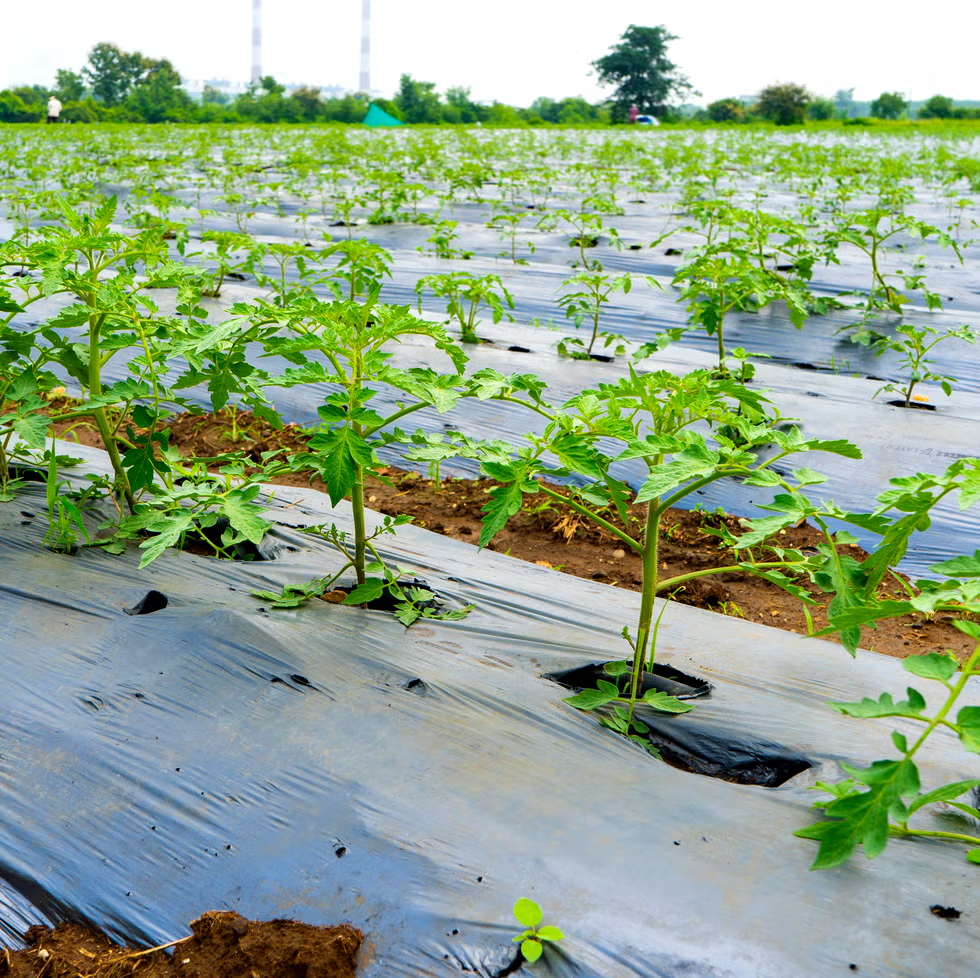
Whether you are a first-time gardener looking to grow a single patio plant or an experienced homesteader planning to can dozens of jars of marinara sauce, understanding the fundamental biology and environmental needs of this incredible plant is the key to an abundant harvest. This comprehensive hub serves as your ultimate resource for howto grow tomatoes, guiding you from the initial planting stages all the way through to troubleshooting mid-summer pests.
Tomato plant basics: what they need to thrive
To get the most out of your garden, you have to give your plants exactly what they want. Tomatoes are notoriously heavy feeders and drinkers that demand a specific set of environmental conditions. If you can master these foundational elements, you will be well on your way to a bumper crop.
Sunlight and Temperature Requirements
Tomatoes are heat-loving, warm-season crops. They require a minimum of 6 to 8 hours of direct, unobstructed sunlight every single day to photosynthesize effectively and produce fruit. Anything less will result in tall, spindly, “leggy” vines that produce plenty of leaves but very few blossoms.
Temperature is equally critical. You should never begin planting tomato plants outdoors until all danger of frost has passed and the nighttime temperatures reliably stay above 50°F (10°C). If the soil is too cold, the plants will become stunted and suffer from phosphorus deficiency, which manifests as purple-tinted leaves. Conversely, when daytime temperatures soar above 90°F (32°C), tomatoes often drop their blossoms as a survival mechanism, pausing fruit production until the weather cools down slightly.
Soil Composition and pH
The ideal soil for a tomato plant is a rich, well-draining loam packed with organic matter. Before planting, heavily amend your garden beds with aged compost, composted cow manure, or worm castings. This organic matter improves soil structure, ensuring water drains efficiently while retaining enough moisture for the roots to drink.
Tomatoes prefer a slightly acidic soil pH, ranging between 6.0 and 6.8. If your soil is too alkaline or too acidic, the plant’s roots will be unable to absorb essential nutrients, even if those nutrients are present in the dirt. You can easily test your soil’s pH using an inexpensive home testing kit and amend it with garden lime (to raise pH) or elemental sulfur (to lower pH) as needed.
The Deep Planting Technique
One of the most unique biological features of the tomato vine is its ability to grow adventitious roots. Adventitious roots are new roots that can sprout directly from the plant’s main stem if it is buried underground.
When you purchase a tall, slightly overgrown seedling from the nursery, do not plant it at the same soil level it was growing in the pot. Instead, snip off the bottom sets of leaves and bury the plant deeply—up to two-thirds of the entire plant can go underground. You can dig a deep vertical hole, or if your soil is shallow, you can lay the plant sideways in a horizontal trench, gently bending the top leafy portion upward. The buried stem will erupt with a massive, deep root system, making the plant incredibly resilient against summer droughts and high winds.
Proper Spacing for Airflow
The correct distance for planting tomatoes depends heavily on the specific variety you are growing. Determinate (bush) tomatoes have a genetic limit to their growth and stay relatively compact. Indeterminate (vining) tomatoes grow continuously until the winter frost kills them, often reaching 8 to 10 feet in length.
Regardless of the type, crowding your plants is a recipe for disaster. Poor airflow traps humidity in the plant canopy, creating the perfect breeding ground for fungal spores. Always respect the mature footprint of the plant.
Tomato Spacing and Support Guide
Use this table to determine the ideal spacing and support structure for your specific garden layout:
| Tomato Type | Distance for Planting Tomatoes | Support Structure Required | Pruning Needs |
|---|---|---|---|
| Indeterminate (Vining) | 24 to 36 inches apart | Heavy-duty 6-foot stakes or tall trellis netting | High (Weekly removal of suckers) |
| Determinate (Bush) | 18 to 24 inches apart | Standard wire tomato cages | Low (Only prune lower leaves touching soil) |
| Dwarf / Patio | 12 to 18 inches apart | Small cages or central bamboo stake | None (Do not prune) |

Fertilizing Tomato Plants
Because they produce so much heavy fruit in a short window of time, fertilizing tomatoes correctly is non-negotiable. Tomatoes require a steady supply of Nitrogen (N), Phosphorus (P), and Potassium (K), along with crucial secondary macronutrients.
However, balance is key. If you apply a fertilizer that is too high in nitrogen (the first number in the NPK ratio), your plant will grow into a massive, lush green jungle but produce very few flowers. The best approach for fertilizing tomato plants is to use a balanced organic granular fertilizer at the time of planting to establish strong roots. Once the plant begins to set its first yellow blossoms, switch to a formula that is higher in phosphorus and potassium to encourage heavy fruiting.
Furthermore, you must ensure your soil has adequate calcium. A lack of calcium uptake during fruit development causes blossom end rot (a condition where the bottom of the tomato turns black and leathery). Adding crushed eggshells to your compost bin or using a calcium-fortified tomato fertilizer can prevent this heartbreaking issue.
Explore our full tomato growing guide
This hub page is just the beginning of your journey. Growing tomatoes involves several distinct phases, each requiring specific techniques. Explore our detailed cluster articles below to master every aspect of tomato cultivation:
- Choosing the Best Varieties: From massive, slicing beefsteaks to incredibly sweet cherry types, picking the right seed is crucial. We break down the differences between heirloom and hybrid seeds, and highlight fan-favorites like the stunning, antioxidant-rich purple tomatoes (such as ‘Cherokee Purple’ or ‘Indigo Rose’) that add incredible color and complex, smoky flavors to your summer salads.
- Starting Tomatoes from Seed: Want to expand beyond the basic nursery offerings? Our Growing Tomatoes From Seed guide covers exactly how to set up indoor grow lights, utilize heat mats, and properly transition (harden off) your fragile seedlings into the harsh outdoor environment.
- Pruning and Suckering: Indeterminate tomatoes can quickly turn into unruly monsters. Our pruning guide teaches you how to identify and pinch off “suckers” (the diagonal shoots that grow in the V-joint between the main stem and branches) to maximize airflow and force the plant to produce larger fruit.
- Mastering Watering Techniques: Inconsistent watering is the root cause of cracked fruit and blossom end rot. Learn the exact science of deep-watering at the soil level, the importance of applying organic mulch, and how to utilize drip irrigation systems for a hands-off approach.
- Advanced Feeding Schedules: Dive deeper into the world of soil amendments. We cover how to decipher NPK ratios, when to use slow-release granular feeds versus fast-acting liquid kelp or fish emulsion, and the organic methods for correcting unexpected nutrient deficiencies mid-season.
Common problems at a glance
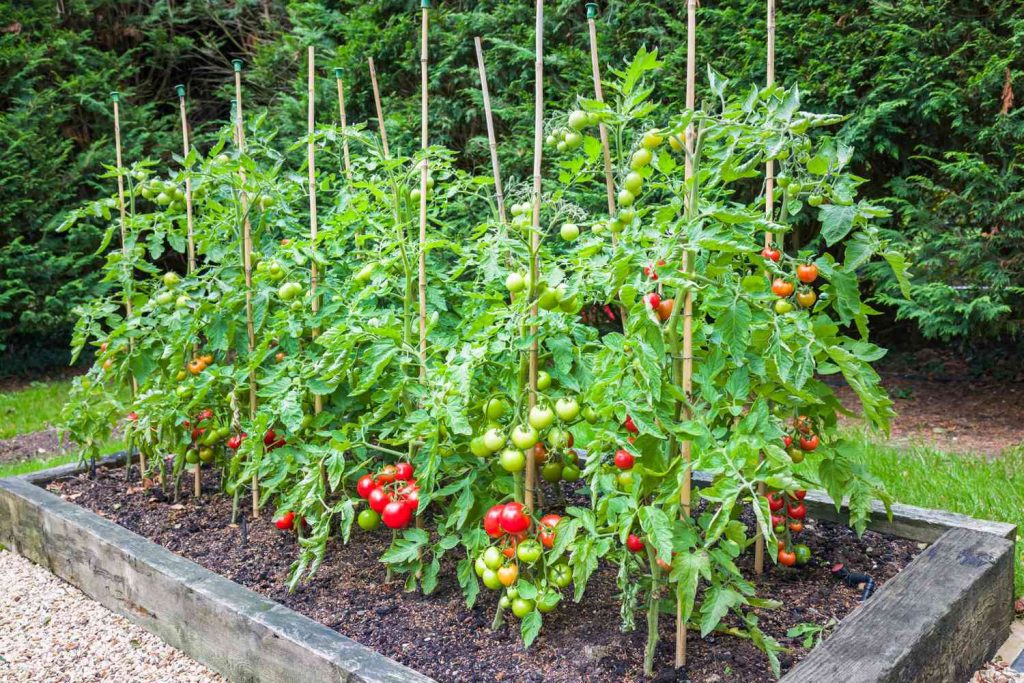
Even the most carefully tended garden will occasionally face threats from pests, diseases, or environmental stress. Being able to identify a problem early is the best way to save your harvest. Here is a quick diagnostic overview of what might be attacking your crop.
Fungal Diseases
Because tomatoes grow in the heat of summer, humidity is their biggest enemy.
- Early Blight: Look for dark, concentric rings (like a target) on the lowest leaves of the plant. It slowly moves upward, causing leaves to turn yellow and drop off.
- Septoria Leaf Spot: Characterized by numerous tiny, circular spots with dark borders and gray centers on the lower foliage.
- Prevention: Both are soil-borne fungi that splash up during rainstorms. Pruning the bottom 12 inches of leaves and applying a thick layer of straw mulch prevents soil contact.
Common Pests
- Tomato Hornworm: A massive, bright green caterpillar with a horn on its tail. They camouflage perfectly against the stems and can strip a plant bare of leaves and unripe fruit in a single night. Pick them off by hand, or use a blacklight flashlight at night to spot them easily (they glow in the dark).
- Aphids: Tiny, pear-shaped insects that cluster on the tender new growth at the top of the plant, sucking out the sap and leaving a sticky residue. A strong blast of water from the hose or an application of organic neem oil usually handles them.
Physiological Issues
These are not caused by bugs or diseases, but by environmental stress.
- Blossom End Rot: As mentioned above, this black, sunken patch on the bottom of the fruit is caused by a calcium deficiency, almost always triggered by inconsistent watering (allowing the soil to dry out completely, then flooding it).
- Fruit Cracking: Deep vertical or concentric splits in the skin of ripening tomatoes. This happens when a heavy rainstorm follows a long drought; the inside of the tomato swells with water faster than the skin can stretch.
- Sunscald: White, blistered, papery patches on the side of a tomato facing the sun. This occurs when you aggressively prune away too many leaves, removing the natural canopy that shades the fruit from intense afternoon UV rays.
How to choose your growing approach
One of the best things about the tomato plant is its versatility. You do not need a massive farm to grow them. Choosing the right growing environment depends entirely on your available space, soil quality, and physical mobility.
In-Ground Garden Beds
Planting directly into the native earth is the traditional approach and offers several distinct advantages. The deep earth provides limitless space for the taproot to explore, meaning in-ground plants generally require less frequent watering than container plants. The soil also acts as a thermal mass, keeping roots cooler in the peak of July.
- Best for: Gardeners with large yards, good native topsoil, and the desire to grow massive, 8-foot-tall indeterminate varieties that require heavy, permanent trellis structures.
Raised Beds
If your backyard consists of heavy, compacted clay or rocky soil, raised beds are the perfect solution. By building wooden or metal frames and filling them with imported, high-quality soil and compost, you create an ideal, fluffy rooting environment. Raised beds also drain much faster than in-ground beds and warm up quicker in the spring, allowing you to plant your seedlings a week or two earlier.
- Best for: Gardeners dealing with poor native soil, those who want an organized, aesthetically pleasing garden, and anyone who prefers less bending and kneeling to tend their crops.
Container and Bucket Growing
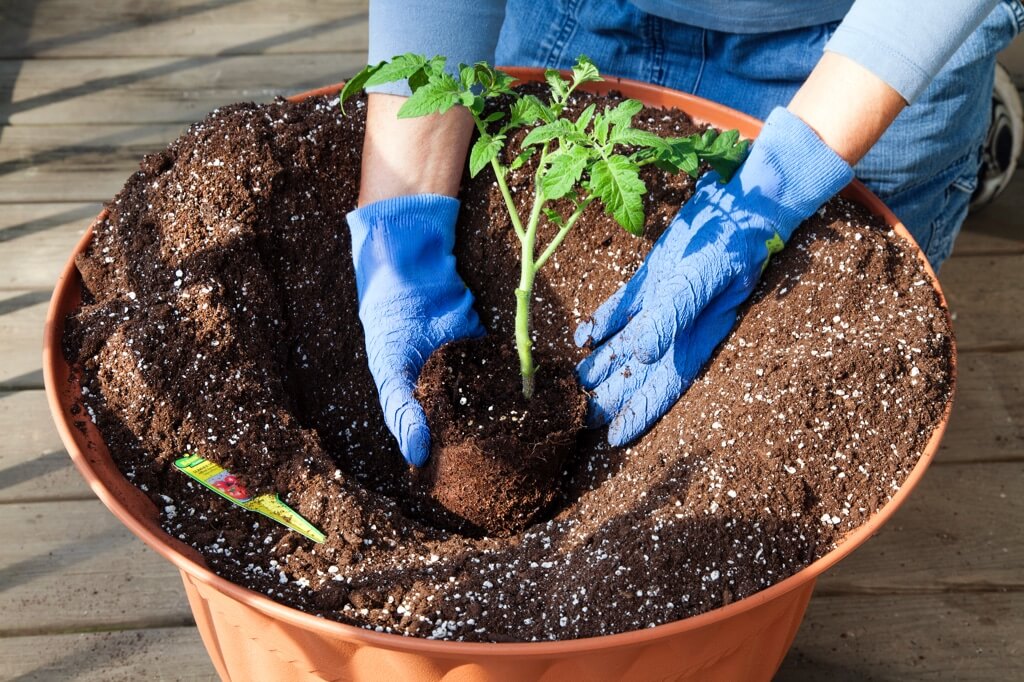
Do not let a lack of yard space stop you from gardening. Tomatoes thrive in containers, provided the container is large enough. A 5-gallon bucket (with drainage holes drilled in the bottom) is the absolute minimum size for a single tomato plant, though a 10- or 15-gallon fabric grow bag is even better. Because containers have a limited volume of soil, they dry out incredibly fast and will require daily watering during the summer. Furthermore, the nutrients wash out of the drainage holes quickly, meaning you must fertilize container plants more frequently.
- Best for: Apartment renters, balcony gardeners, and those with limited sunny spots who need the ability to move their plants around the patio to chase the afternoon light. Stick to determinate or dwarf varieties for the best results in pots.
FAQ
How much sun do tomato plants need?
- Tomato plants require a minimum of 6 to 8 hours of direct, unobstructed sunlight every day to thrive. Insufficient sunlight will result in tall, weak stems, poor blossom development, and a significantly reduced harvest of undersized fruit.
How long does it take to grow a tomato from seed to harvest?
- From the day you plant the seed indoors, it typically takes 100 to 140 days to harvest a ripe tomato. If you are planting established nursery seedlings directly into the garden, you can usually expect to pick your first ripe fruit in 60 to 90 days, depending heavily on the specific variety’s genetics.
What’s the single most common mistake new tomato growers make?
- The most frequent mistake beginners make is inconsistent watering and failing to plant the stem deeply enough. Allowing the soil to dry out completely and then flooding it prevents the plant from absorbing calcium properly, which inevitably leads to blossom end rot and split fruit.
Do tomato plants come back every year?
- In the vast majority of the United States, tomato plants do not come back every year; they are killed entirely by the first freezing temperatures of winter. While they are biologically tender perennials in their native, tropical climates, home gardeners must grow them as annuals and replant fresh crops every spring.

Espoma Tomato-Tone Organic Fertilizer
3-4-6 NPK • 8% Calcium • Prevents Blossom End Rot
The ultimate organic fertilizer for a thriving tomato plant. This slow-release granular feed is packed with beneficial soil microbes and essential calcium to ensure heavy fruiting while naturally preventing blossom end rot.
✓ Promotes Heavy Harvests
