

Flowering Tomato Plant: How to Hand-Pollinate for Fruit
A flowering tomato plant requires pollination to produce fruit, but because they are self-pollinating, each blossom already contains both male and female parts. To pollinate tomatoes manually, simply vibrate the flower clusters using an electric toothbrush or gently shake the main plant stem every few days to release the pollen inside the blooms.
Why this matters for healthy tomato plants
When you spend weeks nurturing a seedling into a robust, green vine, seeing that first cluster of yellow blossoms appear is incredibly exciting. However, a flowering tomato plant (Solanum lycopersicum) does not automatically guarantee a harvest. The process of tomato flowering is only the first half of the equation; the flower must be successfully pollinated before it can transform into the juicy fruit you are waiting for.
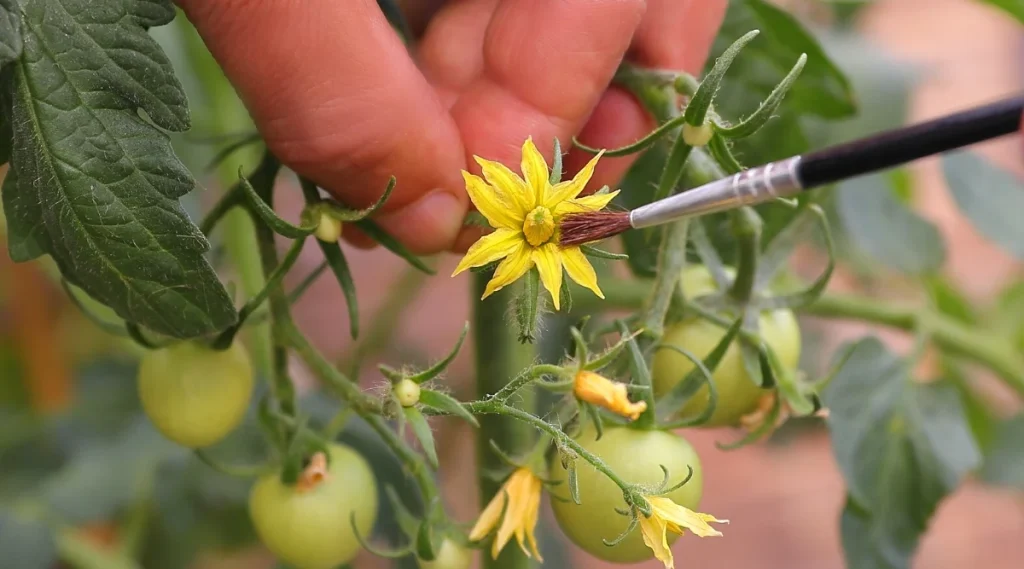
Understanding the biology of your crop is the key to mastering this step. Unlike cucumbers or squash, which rely on bees to carry pollen from a distinct male flower to a distinct female flower, you are dealing with self pollinating tomatoes. This means every single yellow blossom on your tomato vine is equipped with both the male pollen-producing part (the anther) and the female pollen-receiving part (the stigma).
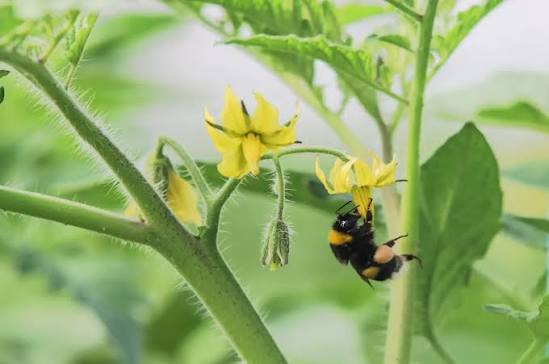
In a perfect natural environment, a stiff summer breeze or the buzzing vibration of a bumblebee landing on the flower is enough to shake the pollen loose from the anther, allowing it to fall directly onto the stigma within the exact same flower.
So, why does manual intervention matter for home gardeners? If you are growing your crop in a greenhouse, a high-walled urban patio, or a sunroom, there is no natural wind to do the heavy lifting. Even in an outdoor garden, periods of stagnant, still air or extreme humidity can cause the pollen to become sticky and clump together, preventing it from dropping. When a blossom goes unpollinated for a few days, it simply dries up, turns brown, and falls off the plant—a heartbreaking phenomenon known as “blossom drop.”
Taking a few seconds to help nature along ensures that every single flower reaches its full potential, drastically increasing your overall yield. For a broader look at managing your crop from seedling to harvest, check out our complete growing overview.
Step-by-step instructions
Pollinating tomatoes is an incredibly simple physical task that takes only seconds per plant. By mimicking the vibration of a bumblebee’s wings or the rustle of the wind, you can easily guarantee a heavy fruit set.
Step 1: Check the timing and weather conditions
Pollen is highly sensitive to the environment. The absolute best time for pollinating tomatoes is mid-day, typically between 11:00 AM and 2:00 PM. By this time, the morning dew has evaporated, and the sun has opened the blossoms fully. If the air is too wet (above 70% humidity), the pollen becomes sticky and will not fall. If the air is too dry, it will not adhere to the stigma. Aim for a warm, dry afternoon.
Step 2: Locate the mature flower trusses
Inspect your flowering tomato plant for mature blooms. You are looking for blossoms where the yellow petals are fully peeled back, exposing the central cone. Flowers that are just barely beginning to open are not yet ready to release their pollen.
Step 3: Choose your vibration method
There are a few ways to physically release the pollen, depending on how much time you have and how many plants you are growing:
- The Tap Method: Gently flick the stem directly behind the flower cluster with your index finger. You can also lightly tap the main stake or trellis supporting the plant to send a shockwave through the vine.
- The Electric Toothbrush Method: This is the most effective technique for home gardeners. Turn on an inexpensive, battery-powered electric toothbrush. Gently touch the vibrating bristles to the stem directly behind the flower cluster (the pedicel) for two to three seconds. Do not touch the delicate yellow petals or the center of the flower, as this can damage the reproductive organs.
- The Fan Method: If you are growing indoors or in a greenhouse, set up an oscillating fan on a medium setting and let it blow across your plants for a few hours each day to simulate a natural breeze.
Step 4: Look for the pollen drop
If you look very closely while vibrating the stem with a toothbrush, you will often see a tiny, faint puff of white dust fall from the center of the blossom. That is the pollen! Once you see that dust, the job is done, and you can move on to the next cluster.
Comparing Pollination Methods
To help you decide which technique fits your gardening style, review the comparison table below detailing the effectiveness of common manual pollination strategies.
| Pollination Method | Effectiveness Rate | Best Use Case | Risk of Plant Damage | Equipment Required |
|---|---|---|---|---|
| Electric Toothbrush | Very High (95%+) | Greenhouses, indoor growing, maximum yield | Low (if applied to stem behind the flower) | Battery-operated toothbrush |
| Stem Flicking / Tapping | Moderate (70%) | Small outdoor gardens, quick daily maintenance | Very Low | None (just your fingers) |
| Oscillating Fans | High (85%) | Indoor grow tents, large enclosed greenhouses | None | Box or oscillating fan |
| Small Paintbrush | Low (40%) | Not recommended for tomatoes; better for squash | High (easy to damage the stigma) | Fine artist’s brush |

Common mistakes to avoid
Even though it is a straightforward process, a few simple environmental or mechanical errors can sabotage your efforts to maximize your tomato flowering.
Pollinating during extreme heat
Tomato pollen is incredibly temperature-sensitive. If the daytime temperature rises above 85°F to 90°F (29°C to 32°C), or if nighttime temperatures fail to drop below 75°F (24°C), the pollen inside the flower effectively cooks and goes sterile. No amount of vibrating or shaking will result in fruit if the pollen is dead. If you are in the middle of a severe heatwave, wait for a cooler stretch of weather before expecting new fruit to set.
Being too aggressive with the flowers
A flowering tomato plant is delicate. When using the toothbrush method, some over-eager gardeners press the vibrating head directly into the center of the yellow flower. This violently shreds the stigma and the anther cone, guaranteeing the flower will die. Always apply the vibration to the green stem behind the flower.
Over-fertilizing with nitrogen
Sometimes, the issue isn’t the pollination itself, but the lack of flowers. If you feed your plants massive amounts of high-nitrogen lawn fertilizer, the plant will push all of its energy into growing massive, lush green leaves at the expense of blossoms. Without a healthy flush of flowers, you have nothing to pollinate. Always switch to a high-phosphorus fertilizer once the plant reaches maturity to encourage heavy blooming.
Waiting too long to intervene
A tomato blossom only remains viable for a few days after opening. If you notice your plants are blooming but you wait a week to try and pollinate them, those specific flowers have likely already passed their window of viability. Manual pollination should be a regular, ongoing part of your weekly garden walk-through.
Tools or products that help
You do not need an expensive arsenal of horticultural equipment to get your plants to set fruit, but having a few specific items on hand can make the process practically foolproof.
- Battery-Operated Electric Toothbrush: You do not need a high-end dental tool; a cheap, $5 battery-powered toothbrush from the drugstore is the ultimate tomato pollination device. The ultrasonic vibrations perfectly mimic the frequency of a bumblebee’s wings (known as “buzz pollination”), forcing the flower to release its payload instantly.
- Oscillating Fans: For those growing in hoop houses, sunrooms, or basements, a standard oscillating room fan is a lifesaver. Setting it on a timer to run during the warmest part of the day ensures continuous airflow, drying out excess humidity and moving the flowers just enough to pollinate them naturally.
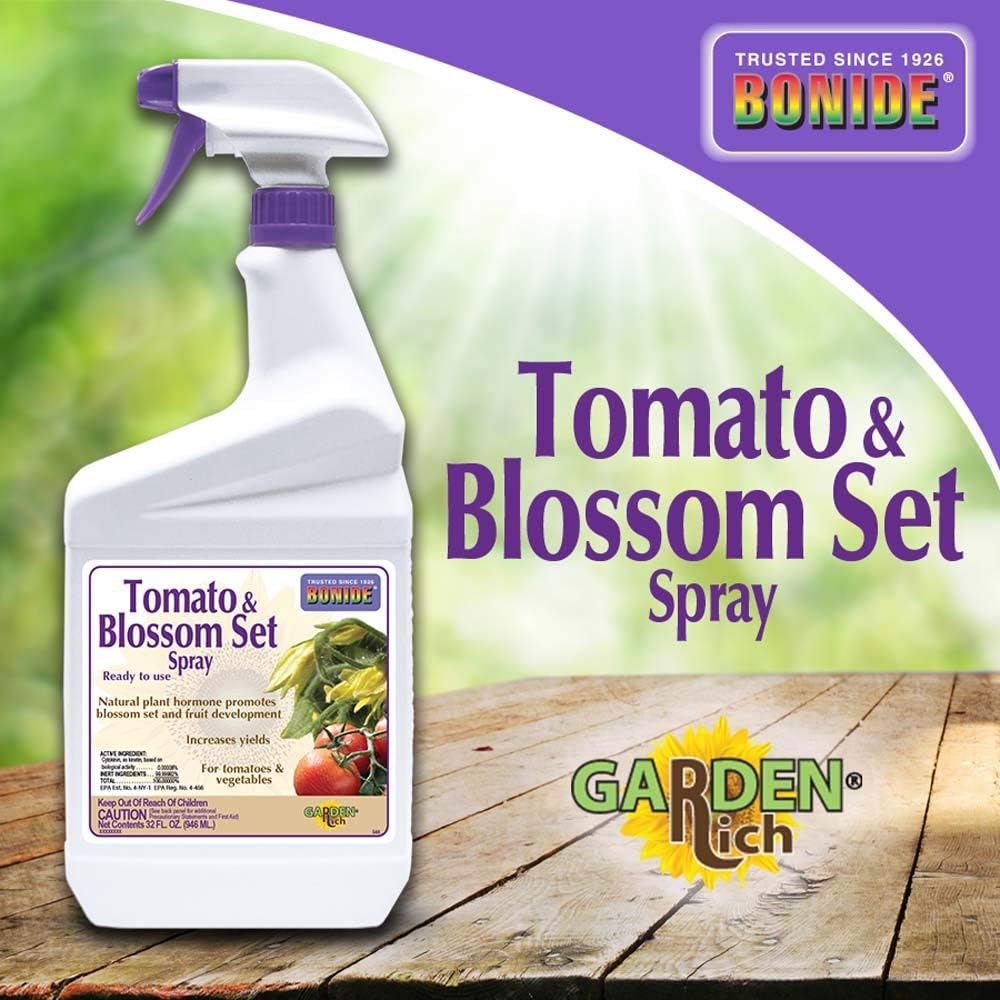
- Tomato Blossom Set Spray: This is a commercial product containing a synthetic plant hormone (kinetin). When sprayed directly on the flowers, it tricks the plant into developing fruit even if pollination was unsuccessful due to cold weather. However, fruit produced this way is often seedless and sometimes misshapen. Manual vibration remains the superior, all-natural method.
- Shade Cloth: Because heat waves destroy pollen viability, draping a 30% to 40% shade cloth over your garden during the peak afternoon sun can keep the canopy temperature just cool enough for the pollen to remain fertile.
FAQ
How often does this need to be done?
- Because a flowering tomato plant produces new blossoms continuously throughout the summer, manual pollination should be done every two to three days. Performing this quick task routinely ensures you catch every new flower during its brief window of peak viability.
What happens if this step is skipped or delayed?
- If you skip this step in an environment lacking wind or bees, the unpollinated flowers will simply dry up, turn brown, and fall off the stem. This results in a massive loss of potential harvest, leaving you with large, leafy green vines but zero actual tomatoes.
Do I need special tools for this?
- No highly specialized tools are required to succeed. While an inexpensive electric toothbrush is the most efficient and popular method among experienced growers, simply tapping the plant stakes or flicking the flower stems with your bare fingers is often enough to get the job done.
Can beginners handle this without professional help?
- Absolutely. Hand-pollinating tomatoes is one of the easiest and most rewarding tasks a beginner can learn. It requires no prior gardening experience and instantly gives you hands-on control over the success and yield of your vegetable garden.
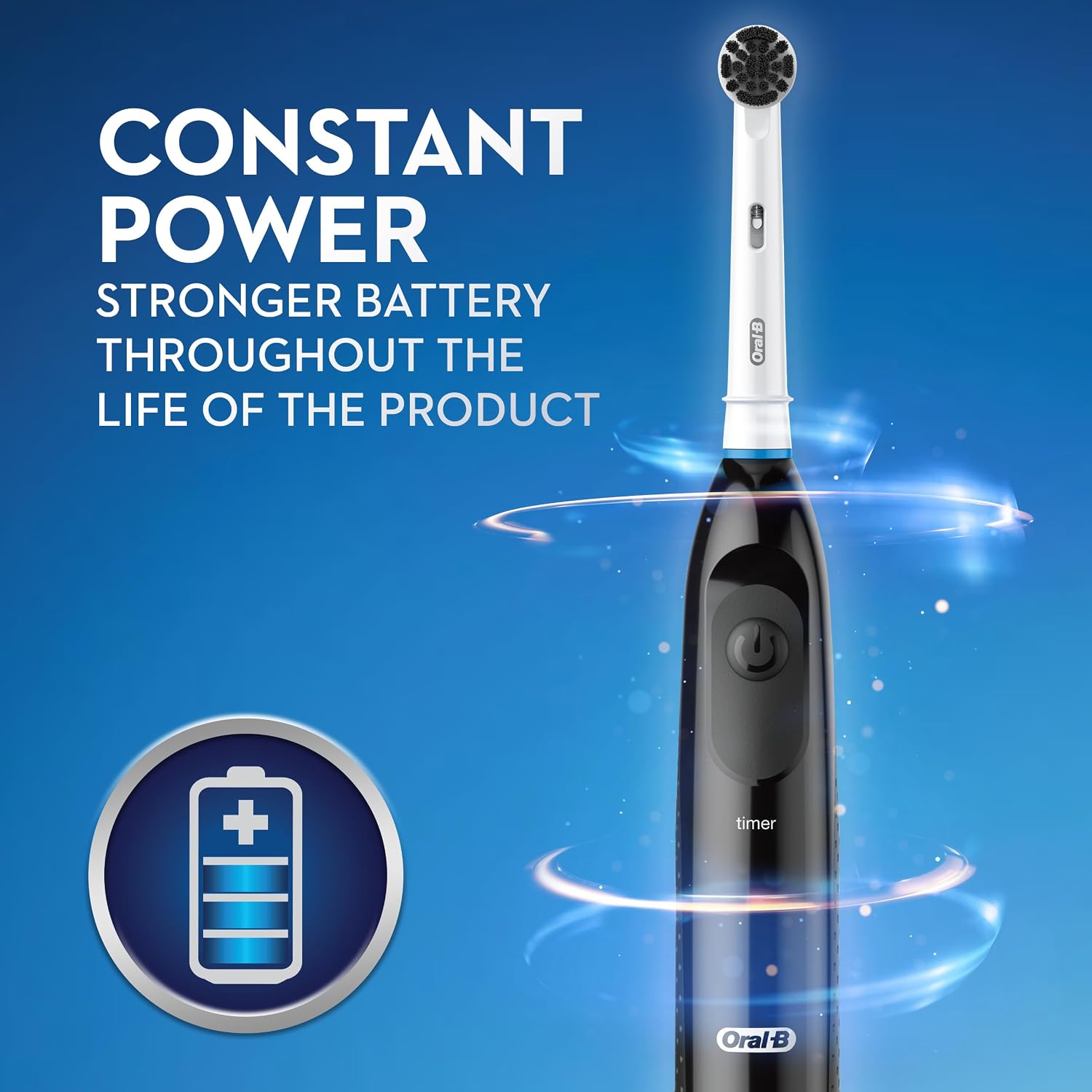
Oral-B Battery Powered Toothbrush
The Secret to “Buzz Pollination” • Instant Fruit Set
The ultimate, inexpensive secret weapon for pollinating tomatoes. The ultrasonic vibrations perfectly mimic the frequency of a bumblebee, releasing 100% of the pollen for a massive harvest.
✓ Cheap, Fast & Highly Effective
