

Companion Planting for Tomatoes
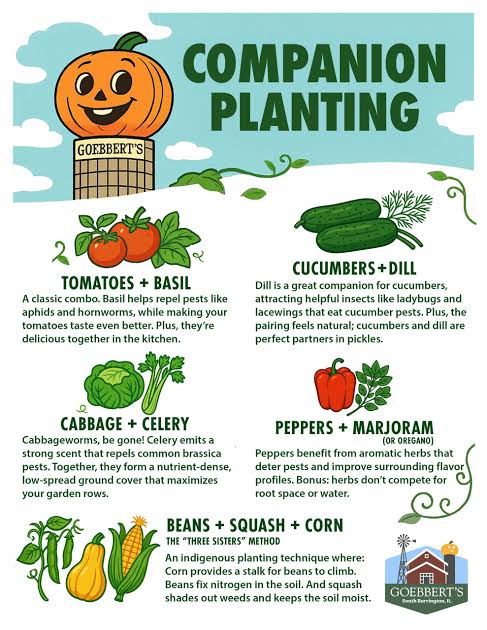
The best companion plants for tomatoes include aromatic herbs like basil and marigolds that deter pests, and deep-rooting alliums like onions and chives that naturally repel common garden insects. By strategically pairing your crops together, you enhance soil health, boost natural pollination, and protect your harvest without relying on harsh chemical pesticides.
Why this matters for healthy tomato plants
When you set out to grow a lush harvest of the common garden tomato (Solanum lycopersicum), treating your garden as a solitary monoculture can invite trouble. Companion planting is the time-tested horticultural practice of intentionally growing different plants in close physical proximity to benefit one another. For home gardeners, integrating the right companions into your layout is a game-changer for overall plant health.
Natural Pest Deterrence
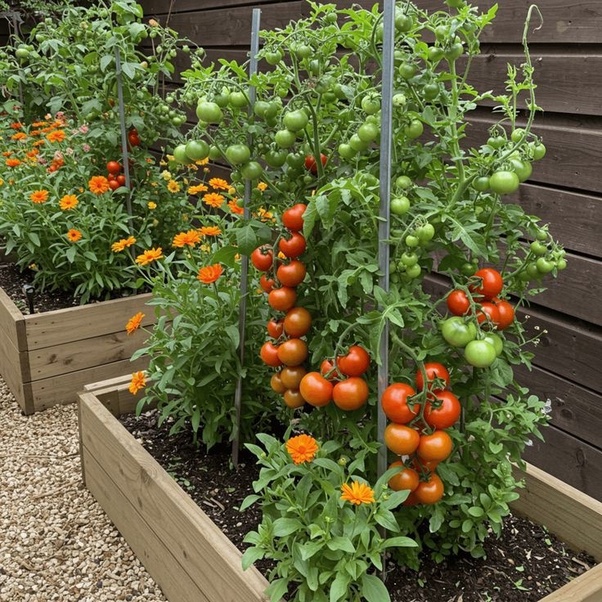
Tomatoes are famously beloved by a host of destructive insects, including hornworms, aphids, and whiteflies. By surrounding your vines with fragrant herbs and flowers, you confuse pests with powerful aromatic oils. For instance, growing marigolds nearby releases natural compounds that deter root-knot nematodes in the soil while masking the scent of the tomato foliage from flying predators.
Optimized Space and Soil Utilization
Different vegetable families have unique root architectures and nutrient demands. Pairing shallow-rooted herbs with deep-rooting tomatoes ensures that the earth is utilized efficiently without causing direct nutrient competition. Additionally, certain companions can shade the soil, reducing moisture evaporation during scorching summer days.
Flavor and Yield Enhancement
Garden lore and modern observation both support the idea that certain pairings mutually benefit growth. For example, classic culinary pairs like basil and tomatoes often taste better together because they support each other’s vitality in the soil. For a broader look at managing your crop’s entire lifecycle from seed to harvest, check out our complete growing overview.
Step-by-step instructions
Implementing a smart companion layout requires a bit of planning before your seedlings go into the ground. Follow these steps to set up your garden beds successfully:
Step 1: Select your primary and supporting varieties
Decide whether you are growing standard slicing varieties, heavy-producing cherry tomato companion plants, or sprawling paste types. Once your main crop is chosen, pick three to four complementary herbs, flowers, or root vegetables that target your specific regional pest pressures.

Step 2: Map out your spacing and placement
Do not crowd your main vines. Position aromatic deterrents like basil or chives directly around the base or outer perimeter of your tomato cages. Ensure that low-growing companions will not be entirely shaded out as the main tomato canopy expands.
Step 3: Integrate alliums and root crops carefully
When planning onions and tomatoes companion planting, space the alliums at least 12 to 18 inches away from the main tomato stems to prevent direct root interference while still allowing their pungent sulfur compounds to deter pests. Similarly, if you are incorporating beans and tomatoes companion planting, keep in mind that bush beans work better than sprawling pole beans, which can aggressively climb and smother tomato vines.
Step 4: Maintain and observe
Monitor your companion blocks weekly. Prune back overly aggressive herbs so they do not restrict airflow around the lower tomato leaves, and keep up with consistent watering schedules.
Companion Plant Pairing Summary
Review the structured data table below to determine which companions offer the specific benefits you need for your garden layout:
| Companion Plant Category | Specific Varieties | Primary Benefit | Recommended Planting Distance |
|---|---|---|---|
| Aromatic Herbs | Basil, Parsley, Mint | Improves flavor, deters hornworms and thrips | 12 to 18 inches from base |
| Pest-Deterring Flowers | French Marigolds, Nasturtiums | Repels nematodes, aphids, and squash bugs | 10 to 15 inches around perimeter |
| Pungent Alliums | Onions, Chives, Garlic | Deters rabbits, aphids, and fungal spores | 12 inches away from main roots |
| Beneficial Legumes | Bush Beans, Peas | Fixes atmospheric nitrogen into the soil | 18 to 24 inches away |
Common mistakes to avoid
Even with the best intentions, certain planting combinations can backfire. Avoid these common errors to protect your harvest:
Planting incompatible nightshades together
Never plant potatoes, eggplants, or peppers in the exact same tight cluster as your tomatoes. Because they belong to the same botanical family, they share the exact same susceptibility to soil-borne blights and attract the exact same pests, compounding your risk of total crop failure.
Overcrowding the root zone
Cramming too many aggressive companion plants right against the base of a tomato stem creates intense root competition for water and micronutrients. Always honor the recommended spacing guidelines.
Ignoring cherry tomato specifics
While cherry tomato companion plants generally follow the same rules as large slicers, their hyper-vigorous, sprawling growth habits mean they can quickly swallow small companion herbs if not properly trellised and pruned.
Tools or products that help
You do not need high-tech equipment to master companion planting, but a few basic tools will make layout planning seamless:
- Garden Line and Stakes: Essential for mapping straight rows and measuring precise distances between your tomatoes and their companion herbs.
- Ergonomic Hand Trowel: A sturdy stainless steel trowel allows you to dig clean, perfectly spaced holes for small companion seedlings without disturbing the main tomato root ball.
- Organic Seed Packets: Investing in high-quality heirloom herb and marigold seeds ensures high germination rates and robust pest-deterring properties.
FAQ
How often does this need to be done?
- Companion planting is primarily a seasonal layout task executed during the spring planting phase. However, short-lived herbs like basil may need to be replanted or trimmed mid-summer to maintain continuous pest-deterring power.
What happens if this step is skipped or delayed?
- Skipping companion planting does not mean your tomatoes will automatically die, but it does mean you miss out on natural pest protection and soil optimization. You may find yourself dealing with higher pest pressures and needing to intervene manually more frequently.
Do I need special tools for this?
- No special or expensive tools are required to implement companion planting. Standard garden layout string, a measuring tape, and a basic hand trowel are more than enough to achieve a successful mixed-crop bed.
Can beginners handle this without professional help?
- Yes, absolutely. Companion planting is one of the most accessible, organic-friendly strategies a beginner can use to naturally manage garden pests and improve overall plot health.
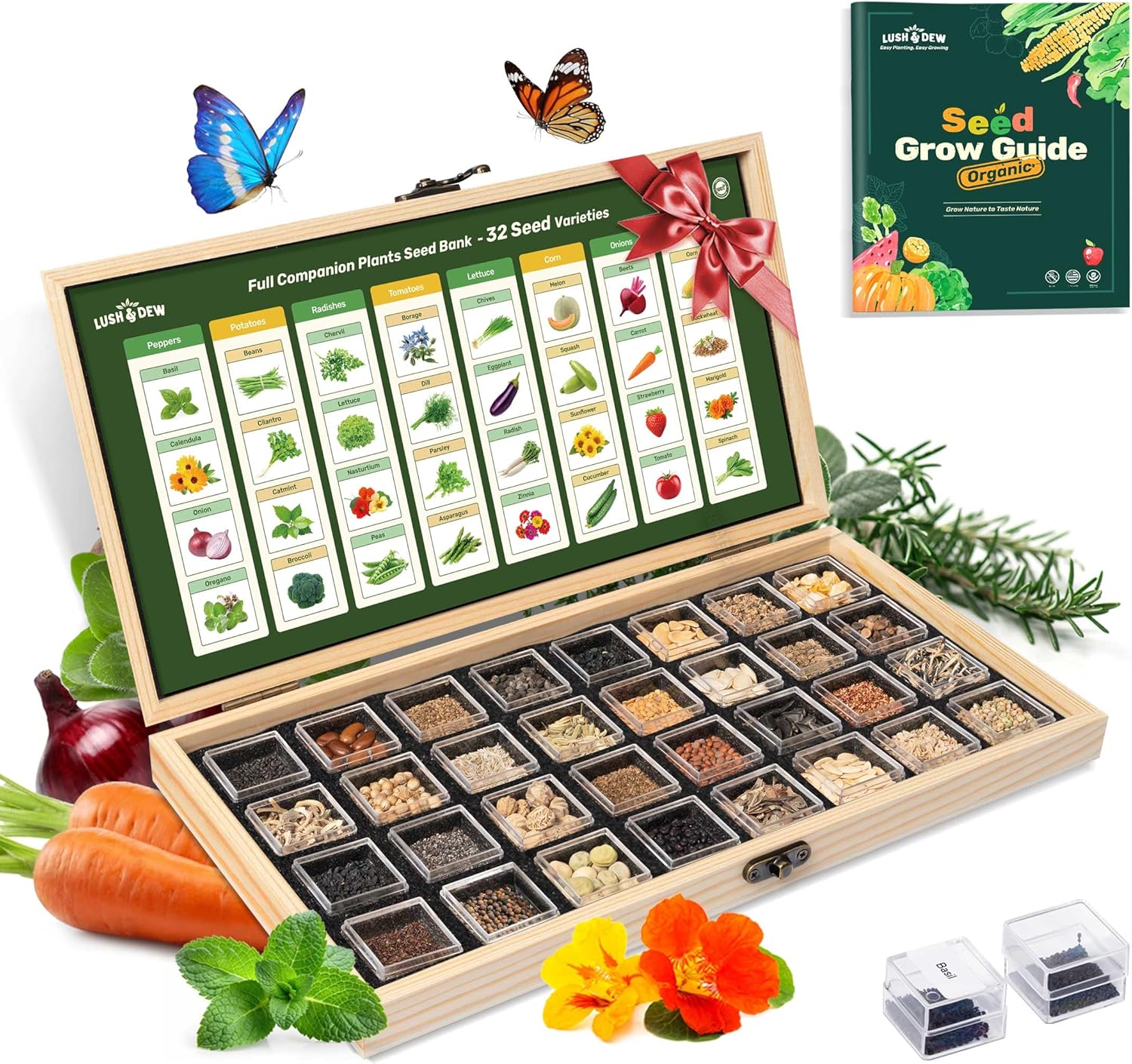
Organic Companion Planting Seed Bank
Heirloom Basil, Marigolds & Chives • High Germination
The perfect starter kit for defending your tomatoes. This organic heirloom seed collection includes all the essential aromatic herbs and flowers proven to deter hornworms and aphids naturally.
✓ 100% Non-GMO & Organic
