

Masterblend 4-18-38: In-Depth Review for Hydroponic Tomatoes
Masterblend 4-18-38 is a professional-grade, 100% water-soluble fertilizer specifically formulated for growing tomatoes, peppers, and other fruiting vegetables in hydroponic setups or soil. When combined with calcium nitrate and Epsom salt in a classic 3-part formula, it delivers targeted nutrition that yields massive harvests while preventing issues like blossom end rot.
Product Overview (NPK Ratio, Ingredients, Form)
If you have spent any time researching hydroponic vegetable cultivation, you have almost certainly encountered 4 18 38 masterblend. Known among commercial growers and home enthusiasts alike as the gold standard for vine crops, the master blend tomato formula is engineered to provide precise macronutrient balance during the most demanding phases of plant growth.
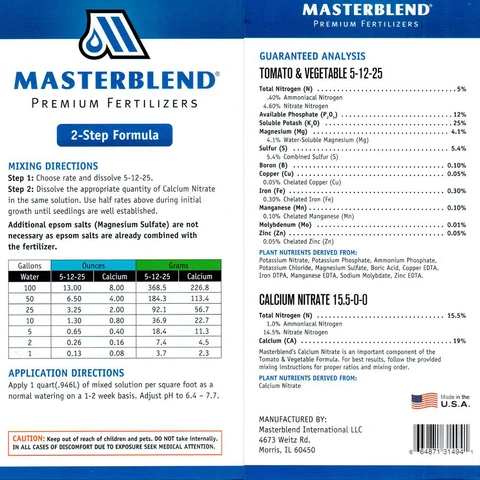
The primary product features a specialized NPK ratio of 4-18-38:
- 4% Nitrogen (N): A deliberately low nitrogen percentage keeps vegetative growth controlled, preventing your plants from putting all their energy into leafy vines instead of setting blossoms.
- 18% Phosphorus (P): A robust phosphorus level stimulates early root establishment, thick stem growth, and prolific flower development.
- 38% Potassium (K): An exceptionally high potassium concentration drives fruit sizing, sugar accumulation, firm texture, and rich flavor in developing tomatoes.
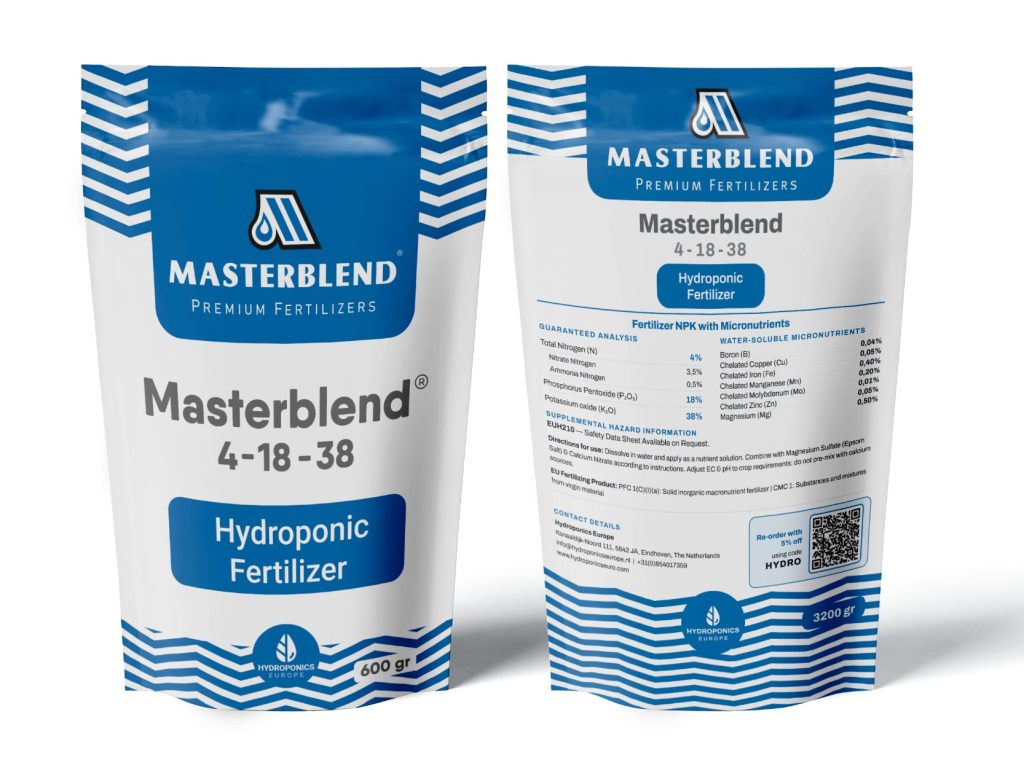
Beyond the big three macronutrients, masterblend 4 18 38 hydroponic fertilizer contains a complete suite of chelated trace minerals, including iron, manganese, zinc, boron, copper, and molybdenum. These micronutrients remain bioavailable across a wider pH range than non-chelated alternatives.
It is important to understand that Masterblend 4-18-38 is designed as a three-part system rather than a standalone feed. To create a fully balanced nutrient solution, you must combine it with two other dry ingredients:
- Masterblend 4-18-38 (provides N, P, K, and trace elements)
- Epsom Salt / Magnesium Sulfate (provides magnesium and sulfur)
- Calcium Nitrate 15.5-0-0 (provides additional nitrogen and essential calcium)
In terms of physical form, masterblend 4 18 38 tomato & vegetable fertilizer consists of ultra-fine, technical-grade dry crystals. Unlike raw organic composts or thick liquid concentrates, these water-soluble dry salts dissolve completely in water without leaving gritty residue, sludge, or sediment behind.
Key Benefits
Switching to a dedicated master blend tomato fertilizer offers several significant advantages for home gardeners looking to raise their harvest quality:
1. Tailored Nutrition for Heavy Fruiting
Most off-the-shelf vegetable plant foods feature balanced ratios (like 10-10-10 or 20-20-20) that supply far too much nitrogen during the reproductive phase. The high-potassium profile of masterblend tomato ensures your plants redirect their energy away from excessive leaf production and toward growing large, sweet, and heavy tomatoes.
2. Built-In Protection Against Calcium Deficiency
Because calcium nitrate is an integral part of the 3-part mixing process, your crop receives an abundant supply of water-soluble calcium. Calcium is crucial for building strong cell walls in developing fruit. Supplying steady calcium directly to the root zone eliminates the risk of calcium deficiency/blossom end rot, which often destroys early tomato yields. How to prevent blossom end rot in tomatoes.
3. Superior Cost Efficiency
Liquid hydroponic nutrients consist mostly of water, which makes them expensive to ship and purchase. Buying 4 18 38 fertilizer in dry powder bundles allows you to buy concentrated nutrition at a fraction of the cost per gallon. A small 5-pound combo kit can generate hundreds of gallons of full-strength feeding solution.
4. Versatility Across Growing Media
While engineered primarily for hydroponics (Dutch buckets, Deep Water Culture, Nutrient Film Technique, and Kratky setups), Masterblend works exceptionally well in soil-less media like coco coir and perlite, as well as an occasional liquid drench for traditional in-ground and raised-bed gardens.
Drawbacks to Consider
While Masterblend 4-18-38 is highly effective, it does present a few challenges that home gardeners should keep in mind:
- Requires a 3-Step Mixing Sequence: You cannot simply scoop all three dry ingredients into a bucket at once. Mixing calcium nitrate directly with concentrated Masterblend causes the calcium and phosphorus to chemically bind and precipitate out of solution, forming an insoluble white sludge. You must dissolve each component completely in order before adding the next.
- Requires Precision Scale and Testing Tools: To mix Masterblend accurately, you need an inexpensive digital gram scale, a pH meter, and an EC/TDS meter. Eyeballing measurements with kitchen spoons can lead to nutrient burn or deficiencies.
- Not Suitable for Certified Organic Gardens: When comparing organic vs. synthetic options, Masterblend falls squarely into the synthetic mineral salt category. If you require OMRI-certified organic inputs for your garden, this product will not fit your criteria.
- Hygroscopic Nature: The dry crystals readily absorb atmospheric moisture. If you leave the bags unsealed in a humid garage or greenhouse, the powder will clump into hard blocks over time.
How to Use It Correctly (Dosage & Timing)
To get professional results from Masterblend 4-18-38, you must mix the three components in the correct proportions and in the proper order.
The standard commercial mixing ratio follows a 2:1:2 ratio by weight (Masterblend : Epsom Salt : Calcium Nitrate).
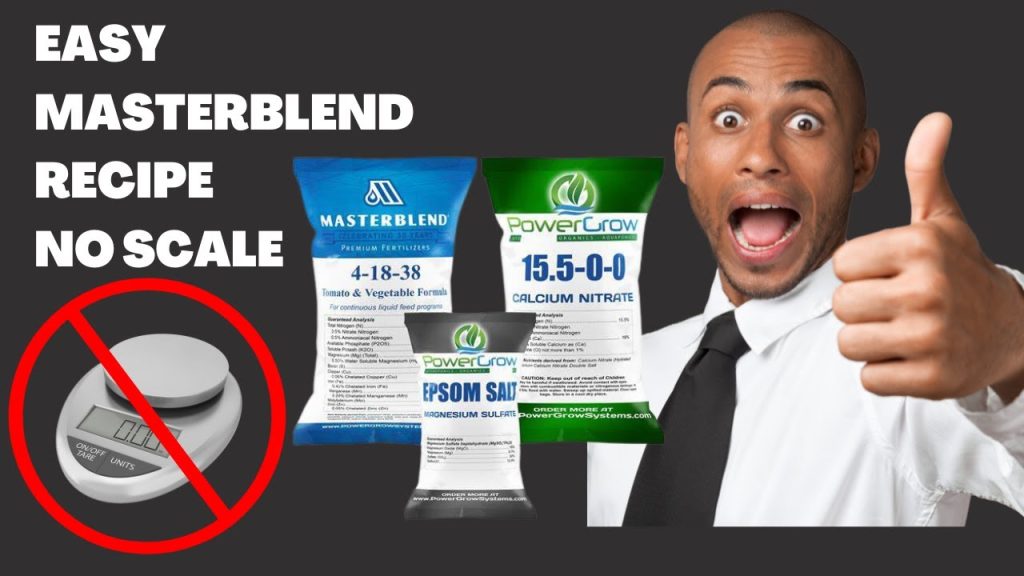
Standard 5-Gallon Mixing Recipe
For 5 gallons of full-strength nutrient solution, measure out:
- Masterblend 4-18-38: 10 grams (2 grams per gallon)
- Epsom Salt: 5 grams (1 gram per gallon)
- Calcium Nitrate (15.5-0-0): 10 grams (2 grams per gallon)
Step-by-Step Mixing Procedure
- Fill your container with 5 gallons of water (warm or room-temperature water dissolves dry salts fastest).
- Add 10 grams of Masterblend 4-18-38. Stir or agitate until the water is completely clear and no crystals remain at the bottom.
- Add 5 grams of Epsom salt. Stir until completely dissolved.
- Add 10 grams of Calcium Nitrate last. Stir thoroughly.
- Test and adjust your pH. For tomatoes, target a pH range between 5.8 and 6.4.
Feeding Schedule by Stage
| Growth Stage | Masterblend (per gal) | Epsom Salt (per gal) | Calcium Nitrate (per gal) | Target EC / PPM | Feeding Frequency |
|---|---|---|---|---|---|
| Seedlings / Early Growth | 1.0 gram | 0.5 grams | 1.0 gram | 1.0 – 1.2 EC (500-600 PPM) | Continuous in hydro; 1-2x/week in soil |
| Vegetative Phase | 1.5 grams | 0.75 grams | 1.5 grams | 1.6 – 1.8 EC (800-900 PPM) | Continuous in hydro; 1-2x/week in soil |
| Flowering & Fruiting | 2.0 grams | 1.0 gram | 2.0 grams | 2.0 – 2.4 EC (1000-1200 PPM) | Continuous in hydro; 2x/week in soil |
How It Compares to Similar Products
To help you decide if Masterblend is the right choice for your garden, here is how it compares to other popular tomato plant foods on the market:
| Feature / Attribute | Masterblend 4-18-38 (3-Part) | General Hydroponics FloraSeries | Miracle-Gro Water Soluble Tomato | Espoma Organic Tomato-Tone |
|---|---|---|---|---|
| Primary Format | Water-soluble dry powder | Concentrated liquid | Water-soluble dry powder | Organic granular |
| NPK Ratio | 4-18-38 (plus Ca & Mg) | Variable 3-part liquid | 18-18-21 | 3-4-6 |
| Target Application | Hydroponics, Coco, Soil | Hydroponics, Coco | Soil & Container beds | In-ground & Raised beds |
| Requires Separate Calcium? | Included in 3-part kit | Part of 3-part lineup | No (lacks dedicated calcium) | Includes bone meal/calcium |
| Cost per 100 Gallons | Very Low | Moderate to High | Low | Moderate |
| Ease of Use | Moderate (Requires scale) | Moderate (Liquid dosing) | High (Single scoop) | High (Top-dress soil) |
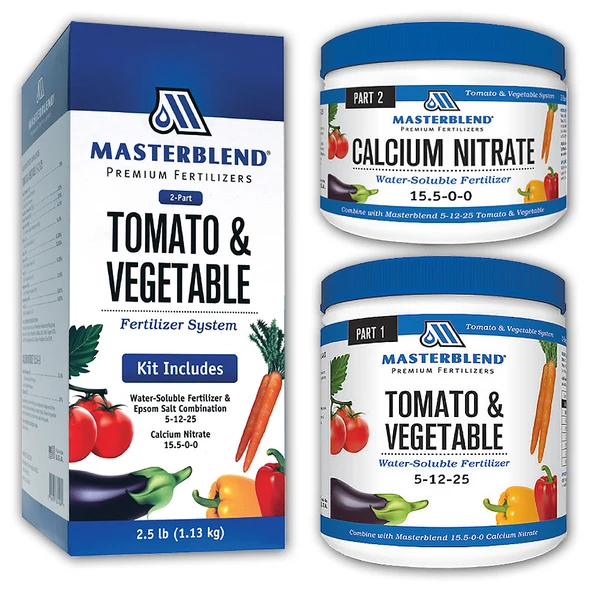
Unlike single-part synthetic powders that lack calcium, Masterblend’s 3-part approach ensures your fruiting crops get calcium and magnesium alongside NPK without chemical drop-out. Compared to pre-mixed liquid hydroponic lines, Masterblend offers identical professional performance at a substantially lower cost per gallon.
Price and Where to Buy
Masterblend 4-18-38 is widely available online, particularly on Amazon, where authorized distributors sell complete 3-part combo kits containing pre-measured proportions of Masterblend, Calcium Nitrate, and Epsom salt.
Kits are typically sold in sizes ranging from 1-pound mini kits (great for small hobby setups) up to 12.5-pound and 25-pound bulk boxes for larger home gardens and small farms. Buying the 3-part combo kit on Amazon is generally the most cost-effective approach for home growers, as it eliminates the need to source individual bags of agricultural-grade calcium nitrate and magnesium sulfate separately.
Buy on AmazonFAQ
Is Masterblend 4-18-38 good for tomatoes specifically, or just vegetables in general?
Masterblend 4-18-38 was formulated specifically for tomatoes and other fruiting nightshades like peppers and eggplants. However, by adjusting the dilution rate, it works wonderfully for cucumbers, squash, strawberries, and leafy greens.
How often should I apply Masterblend 4-18-38?
In active hydroponic systems, Masterblend serves as your main water solution and remains in constant contact with the roots. For soil, potted plants, or coco coir, apply the mixed solution 1 to 2 times per week during the active growing season, plain-watering in between as needed.
Is Masterblend 4-18-38 safe for organic gardening?
No, Masterblend 4-18-38 is composed of synthetic mineral salts and is not certified organic or OMRI-listed. While it provides clean, pure plant nutrition that leaves no toxic residue in the fruit, it does not build soil organic matter like compost or animal manures.
Where can I buy Masterblend 4-18-38 at the best price?
The most reliable and affordable place to buy Masterblend 4-18-38 is on Amazon, where you can purchase 3-part combo kits that include the Masterblend powder, Calcium Nitrate, and Epsom salt shipped together in balanced quantities.
