

Tomato Plant Care: A Beginner’s Guide
The most effective tomato plant care starts with selecting a sunny, sheltered location and planting in rich, loamy soil. The best way to grow tomatoes is to provide consistent watering at ground level, feed with high-potassium fertilizer when fruits appear, and selectively prune side shoots on indeterminate vining varieties.
Growing your own food is a deeply rewarding experience. As gardening experts note, there is something very zen about taking care of seeds, and watching a tiny seed transform into a massive, fruit-bearing tomato vine is truly amazing. However, tomatoes (Solanum lycopersicum) are famously heavy feeders and require specific environmental conditions to thrive. These heat-loving plants originate from tropical regions; if they are exposed to cold temperatures, they will sulk, resulting in slower growth and severely reduced crop yields.
The key differences explained
When mastering tomato garden care, the single most critical concept to grasp is your plant’s natural growth habit. Tomatoes are broadly categorized into two distinct types, and knowing which one you have dictates almost everything you will do in the garden.
Determinate (Bush) Tomatoes
Determinate tomatoes are genetically programmed to reach a specific, compact height, often growing to a maximum of about 40 cm (16 inches) depending on the patio or dwarf variety. Because they stop growing once they reach this height, they produce their flowers and ripen their entire fruit crop over a short, concentrated period of just a few weeks. These smaller bush tomatoes are perfect if you have limited space; you can successfully grow them in 5-gallon containers, growbags, or even hanging baskets on a sunny patio or balcony.
Indeterminate (Cordon or Vining) Tomatoes
Unlike bush types, indeterminate plants have no genetic height limit. They will continue to grow upwards, producing new vines, foliage, and fruit continuously throughout the entire growing season until the autumn frost finally kills them. Because they can easily grow to massive sizes, these plants require structural support to prevent their heavy, fruit-laden stems from snapping under their own weight.
Why it matters for how you grow tomatoes
The biological differences between bush and vining tomatoes directly influence every aspect of your tips for growing tomato plants, from how you prune to how you water.
Pruning and Maintenance
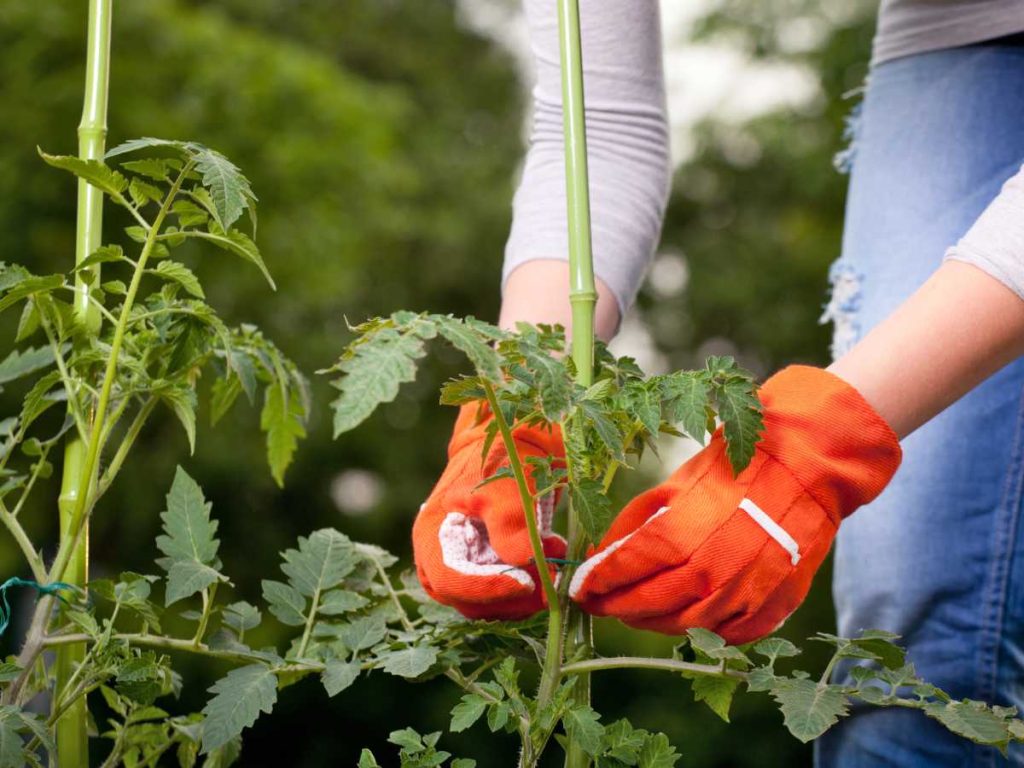
The best way to grow tomato plants of the indeterminate variety is to restrict their growth to one or two main stems, often referred to as cordons. As the plant grows taller, you will notice small side shoots developing in the “V” joint where the leaf meets the main stem; these side shoots must be carefully pinched out to direct the plant’s energy into fruit production. Later in the summer, as the risk of blight increases, you should remove the older leaves from the lower portion of the plant to improve airflow and reduce humidity. Determinate plants, however, rarely need to be pruned. Pinching side shoots off a bush tomato will actually remove your future harvest.
Staking and Support
Proper support is non-negotiable for indeterminate varieties. You must place your stakes or trellises into the ground at the time of transplanting to avoid disturbing the delicate root system later. As the plant stretches, use plastic twine or plant clips to gently tie the stems to a heavy-gauge wire or tall stake.
Watering Techniques
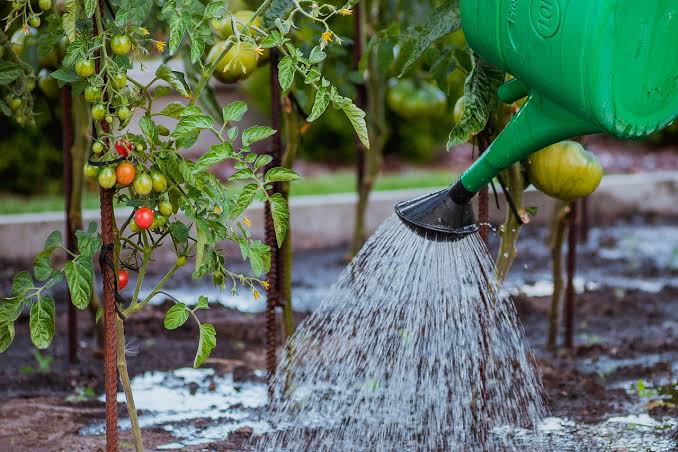
Tomatoes need plenty of water to support their rapid growth; insufficient moisture causes wilting and disastrous long-term effects on your crop. Generally, tomatoes require about 1 inch of water per week. However, soil type plays a major role: sandy soil dries out quickly and may require daily watering in hot weather, whereas clay soil retains moisture and may only need watering two or three times a week. Always pull back the top inch of soil to check for moisture before watering. Most importantly, you must water at the soil line (ground level) rather than using overhead sprinklers, as splashing water onto the foliage invites fungal diseases. Installing a drip irrigation system is highly effective for automating this process and keeping the leaves dry.
Fertilizing and Soil Health
Tomatoes are notoriously hungry plants. They thrive in rich, loamy soil that retains moisture without becoming waterlogged. Applying a general fertilizer before flowering is a good start, but the crucial feeding window opens when the first small fruits appear; at this point, switch to a high-potassium liquid fertilizer to dramatically increase your yields. Some gardeners also highly recommend using compost tea—a natural fertilizer made from steeping well-rotted compost in water—applied weekly during the cropping season.
Examples / how to identify which applies to you
One of the best tips for growing tomatoes successfully is learning how to decipher the information available to you before you even plant the seed.
- Reading the Nursery Tag: When you purchase seedlings, the tag will almost always specify the growth habit using terms like “Det” (Determinate) or “Ind” (Indeterminate). If you are growing from seed, this critical information will be printed on the back of the seed packet.
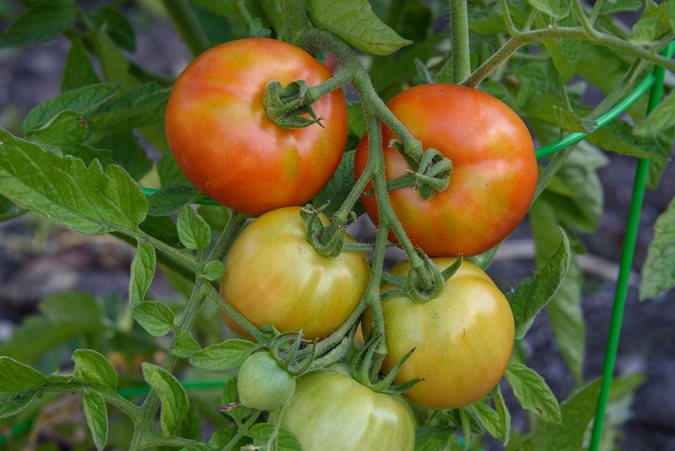
- Variety Characteristics: As a general rule of thumb, tomato varieties bred for making sauce or canning (like Roma or Amish Paste) are determinate. Gardeners want these to ripen all at once so they can make large batches of sauce over a single weekend. Conversely, large sandwich slicers (like Beefsteak) and snacking cherry tomatoes (like Sweet 100) are typically indeterminate, providing a slow, steady harvest all summer.
- Observation: If you lost the tag, watch how the plant grows in early summer. If the main vertical stem naturally terminates in a cluster of flowers and stops getting taller, you have a determinate plant. If the tip keeps pushing out new green leaves and stretching toward the sky, you are dealing with an indeterminate vine.
Tomato Plant Care Comparison
Use this summary table to ensure you are applying the correct care strategy for your specific plant type.
| Care Requirement | Determinate (Bush) Tomatoes | Indeterminate (Vining) Tomatoes |
|---|---|---|
| Typical Maximum Height | Up to 40 cm (16 inches) | Massive; continues growing until frost |
| Pruning Strategy | Rarely needed | Prune to 1-2 main stems; pinch out side shoots |
| Support Needed | Small stakes or cages | Heavy-gauge wire, tall stakes, or twine |
| Harvest Window | Concentrated (ripens over a few weeks) | Continuous throughout the summer |
| Ideal Container Size | 5-gallon pots or hanging baskets | Large planters (95-litre / 25-gallon recommended) |
For a broader look at managing your crop’s entire lifecycle from seed to harvest, check out our complete growing overview.
FAQ
How can I tell tomato plant care: a beginner’s guide just by looking at the plant tag?
- You can determine your specific care routine by looking for the words “Determinate” (bush) or “Indeterminate” (cordon/vining) on the plant tag. This classification tells you exactly how tall the plant will grow, whether it requires heavy staking, and if you need to routinely pinch out its side shoots.
Does tomato plant care: a beginner’s guide affect how I should care for the plant?
- Yes, tailoring your care approach based on the plant’s growth habit is crucial for success. Applying aggressive pruning to a determinate plant will destroy your harvest, while failing to prune an indeterminate vine will create an overgrown, tangled mess that invites fungal disease.
Is one type better than the other for beginners?
- Determinate (bush) tomatoes are often considered easier for beginners because they demand very little pruning and can be easily managed in small patio containers or hanging baskets. However, indeterminate varieties are highly rewarding if you have the space and want a continuous supply of fresh fruit all season long.
Can I grow both types in the same garden?
- Absolutely. You can grow both types in the same garden bed to enjoy a large bulk harvest for canning alongside a steady daily supply for fresh eating. Just be sure to plant your tall, vining indeterminate plants on the north side of the garden so they do not shade out your shorter determinate bushes.
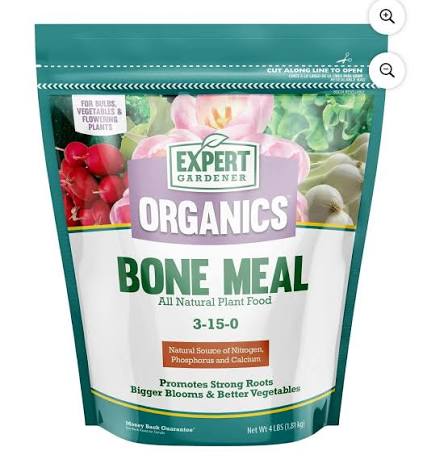
Organic High-Potassium Tomato Fertilizer
Boosts Yields • Prevents Blossom End Rot
The perfect high-potassium feed for hungry tomato plants. Apply this organic fertilizer as soon as your first fruits appear to encourage massive, juicy yields and support vigorous vine growth.
✓ Organic & Easy to Apply
