

Phosphorus for Tomatoes: Why It Matters and How to Supplement It
A high phosphorus fertilizer for tomatoes is essential for establishing deep roots and triggering abundant blossoms. For best results, mix a phosphate-rich amendment like bone meal or rock phosphate into the soil at planting, ensuring your tomato plants have the energy required for early root development and a heavy fruit set.
Why tomato plants need Phosphorus (P)
To understand exactly how to grow the biggest, most productive tomato plants in your neighborhood, you have to look closely at the soil chemistry fueling them. Every commercial plant food on the market displays a three-number NPK ratio on its label. These letters stand for Nitrogen (N), Phosphorus (P), and Potassium (K). While nitrogen is famous for pushing green, leafy growth, and potassium is celebrated for sizing up and sweetening the fruit, the middle number—phosphorus—is the true foundation of a healthy garden.
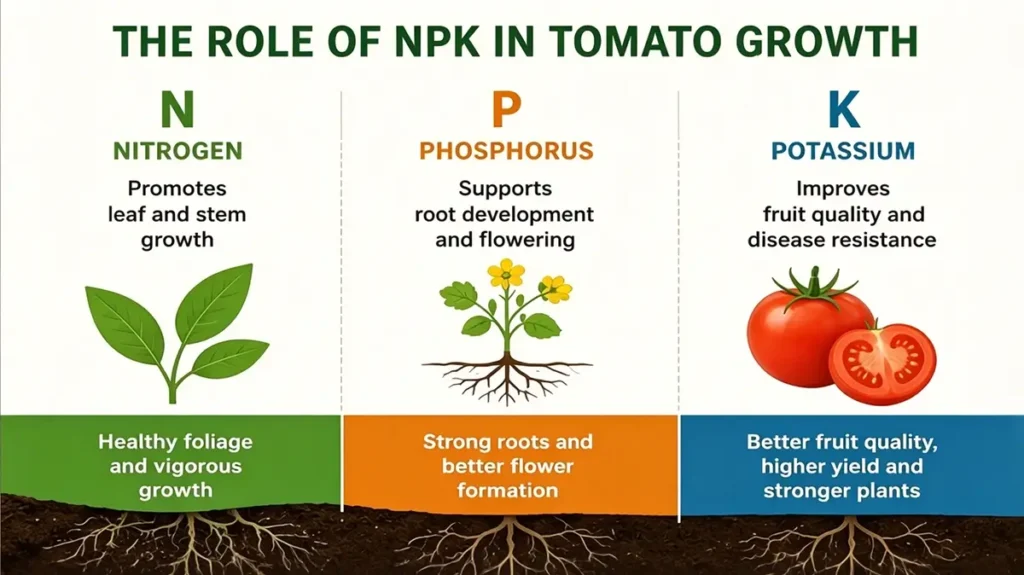
Phosphorus acts as the main energy currency of your tomato plant. Through the miracle of photosynthesis, plants capture energy from the sun. However, it is phosphorus that allows the plant to convert, store, and transfer that solar energy into usable chemical energy (a molecule called ATP). Without adequate phosphorus in tomatoes, the plant simply cannot perform its most basic biological functions, no matter how much sunlight or water it receives.
For home vegetable gardeners, phosphorus is critical at two highly specific stages of a tomato’s life cycle. The first is immediately after transplanting. When you move a young tomato seedling from a comfortable indoor pot into the harsh outdoor garden, the plant experiences transplant shock. A tomato fertilizer high in phosphorus stimulates aggressive, rapid root expansion. A massive, deep root system allows the plant to anchor itself firmly and scavenge for water during the brutal heat of late summer.
The second critical phase is reproduction. Phosphorus is the primary biological trigger that tells the plant to transition from growing leafy green vines to producing flowers. Because every single tomato blossom is a potential tomato, maximizing your flower count directly maximizes your final harvest yield. If your soil is deficient in this vital macronutrient, your plants will produce fewer blossoms, and the ones that do appear are more likely to drop prematurely.
Signs of deficiency and excess
Because phosphorus is so vital to early development, it is important to know how to “read” your tomato plants. Recognizing the visual cues of nutrient imbalance can save your crop before it is too late.
Identifying Phosphorus Deficiency
Phosphorus deficiency is surprisingly common in the early spring garden. Interestingly, the soil might actually contain plenty of phosphate for tomatoes, but the plant cannot absorb it if the soil temperature is too cold (generally below 60°F or 15°C).
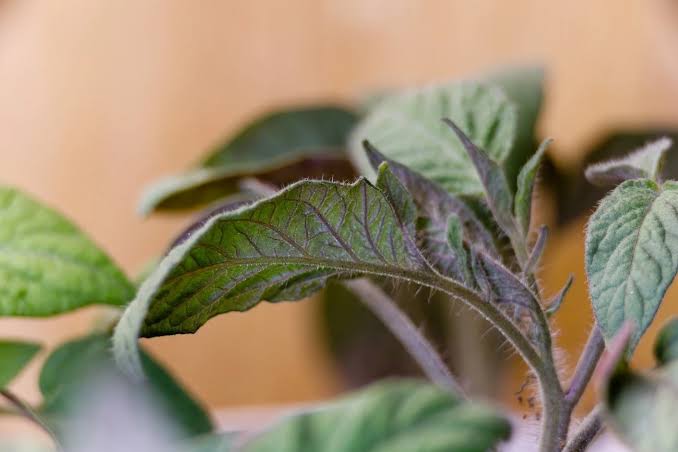
The most iconic and immediate sign of a phosphorus deficiency is a distinct purplish or dark reddish tint on the undersides of the leaves and along the main veins. This discoloration is accompanied by severely stunted overall growth. The plant will look frozen in time, refusing to push out new vines or leaves. You may also notice that the oldest leaves turn an abnormally dark, dull green before developing brown, necrotic patches and falling off. If the weather has warmed up and your plants still look purple and stunted, you likely have a genuine deficiency in your garden bed that requires an immediate intervention.
Identifying Phosphorus Excess
While gardeners love to feed their plants, it is entirely possible to add too much of a good thing. Over-applying a phosphate fertilizer for tomatoes rarely harms the plant directly, but it wreaks havoc on the soil chemistry by locking out other essential nutrients.
When there is an excessive concentration of phosphorus in the soil, it physically binds with trace minerals like iron and zinc, making them completely unavailable to the tomato plant’s root system. This leads to secondary deficiencies, most notably interveinal chlorosis, where the leaves turn pale yellow while the veins remain starkly green.
Furthermore, aggressively over-fertilizing with synthetic nutrients can disrupt the plant’s overall vascular balance, indirectly affecting how it absorbs calcium. When calcium uptake is interrupted during fruit development, it leads to the dreaded black, sunken scabs on the bottom of your fruit. preventing blossom end rot. Always apply fertilizers carefully and according to soil test recommendations.
Natural vs. commercial sources
When it comes time to correct a deficiency or prep your garden beds for the season, you will face a choice between organic vs. synthetic options. Both can grow massive tomato plants, but they interact with your garden’s soil ecosystem in completely different ways.

Natural Phosphorus for Tomatoes
Organic gardeners rely on biological inputs that feed the soil microbes, which in turn feed the plants. Because organic phosphorus breaks down slowly, it carries virtually no risk of chemical root burn.
- Bone Meal: This is the most popular and readily available source of natural phosphorus for tomatoes. Made from steamed and ground animal bones, it typically boasts an NPK ratio around 3-15-0. Bone meal breaks down moderately fast for an organic amendment and also provides a fantastic slow-release source of calcium.
- Rock Phosphate for Tomatoes: Rock phosphate is a naturally occurring mineral powder mined from clay deposits. It has a high phosphorus content (often 0-3-0 or higher depending on the grade), but it breaks down incredibly slowly. It is best used as a long-term soil builder. If you mix rock phosphate into your beds this spring, it will primarily benefit your crops next year and for several years to come.
- High-Phosphorus Bat Guano: Aged bat guano is a highly potent organic fertilizer. Certain blends are exceptionally high in phosphorus (up to 10%) and break down much faster than rock phosphate, making it an excellent organic choice for a mid-season side dressing.
Commercial Synthetic Fertilizers
Synthetic fertilizers are chemically manufactured to provide an instant, 100% water-soluble nutrient payload.
- Superphosphate (0-20-0) and Triple Superphosphate (0-45-0): These are highly concentrated, fast-acting commercial fertilizers. If your soil test reveals a severe, immediate lack of phosphorus and your plants are suffering, superphosphate will correct the issue faster than any organic alternative.
- Liquid “Bloom Boosters”: Many synthetic brands offer water-soluble powders with ratios like 10-52-10. While these will certainly deliver a massive dose of phosphate for tomatoes, you must be incredibly careful not to over-apply, as the concentrated salts can easily burn the delicate feeder roots of your plants and pollute local waterways through runoff.
Recommended dosage by growth stage
To get the absolute most out of your garden, you must adjust your feeding strategy as the tomato plant matures. A static, one-size-fits-all feeding schedule rarely produces championship-level yields.

Below is a structured guide detailing the optimal phosphorus focus and dosage strategies as your plant moves through its life cycle.
| Growth Stage | Phosphorus Need | Recommended NPK Focus | Application Strategy & Dosage Guidelines |
|---|---|---|---|
| Seedling (Indoors) | Low | Balanced (e.g., 5-5-5) | Dilute a standard liquid fertilizer to 1/4 strength once the first true leaves appear. High phosphorus is not yet needed. |
| Transplanting | High | High Phosphorus (e.g., 3-4-6 or 5-10-5) | Mix 2-3 tablespoons of bone meal or a granular organic fertilizer directly into the bottom of the planting hole to stimulate root shock recovery. |
| Early Vegetative | Moderate | Balanced (e.g., 10-10-10) | Rely on the transplant fertilizer. Let the roots stretch out and seek the phosphorus you placed deep in the planting hole. |
| Pre-Flowering | High | High Phosphorus/Potassium (e.g., 4-18-38) | Side-dress with a high phosphorus fertilizer for tomatoes as soon as the first yellow flower buds appear on the vine to maximize blossom set. |
| Fruiting & Harvest | Moderate | High Potassium (e.g., 5-10-15) | Shift focus heavily to potassium to size up the fruit. Maintain moderate phosphorus levels to support continued root health. |
Expert Tip: Always remember that phosphorus is highly immobile in the soil. Unlike nitrogen, which washes down easily with the rain, phosphorus stays exactly where you put it. Therefore, simply sprinkling bone meal or rock phosphate on the surface of the soil will do your tomato plants very little good. To be effective, you must scratch or till phosphate fertilizers down into the active root zone (about 4 to 6 inches deep).
FAQ
What’s the ideal amount of Phosphorus (P) for tomato plants?
- The ideal amount depends on the growth stage, but a standard tomato-specific fertilizer usually features an NPK ratio with a slightly elevated middle number, such as 3-4-6 or 5-10-5. At transplanting, adding a small handful (about 2-3 tablespoons) of a dedicated phosphorus amendment like bone meal per plant is generally perfect for home gardens.
What happens if tomatoes get too much Phosphorus (P)?
- While excess phosphorus won’t typically burn the plant directly, it heavily disrupts the soil chemistry by binding with iron, zinc, and manganese, making them unavailable to the roots. This nutrient lockout leads to pale, yellowing leaves (interveinal chlorosis) and severely compromised plant health.
How can I tell if my tomato plants need more Phosphorus (P)?
- The most classic and visual symptom of a phosphorus deficiency is the undersides of the tomato leaves and the main stems turning a dark, purplish-red color. You will also notice that the plant looks severely stunted, grows very slowly, and fails to produce early blossoms.
Does Phosphorus (P) affect fruit taste or yield?
- Phosphorus primarily affects your overall yield because it directly dictates the plant’s ability to produce robust, plentiful flowers. While it provides the energy for fruit development, it is actually potassium (the “K” in NPK) that has the greatest direct impact on the sweetness and flavor profile of the harvested tomato.
