

Why Are My Tomato Leaves Turning Yellow?
Leaves yellow on tomato plants primarily due to inconsistent watering, nutrient deficiencies, or fungal diseases like early blight. To diagnose the problem, check the soil moisture first, ensure you are providing a balanced fertilizer, and immediately prune away any spotted bottom foliage to prevent potential pathogens from spreading.
Walking out to your garden and discovering your once-vibrant tomato vines are losing their color is incredibly frustrating. However, seeing tomato leaves going yellow is one of the most common issues home gardeners face. Fortunately, your standard garden tomato (Solanum lycopersicum) is a highly communicative plant. It will usually give you distinct visual clues to tell you exactly what is wrong.
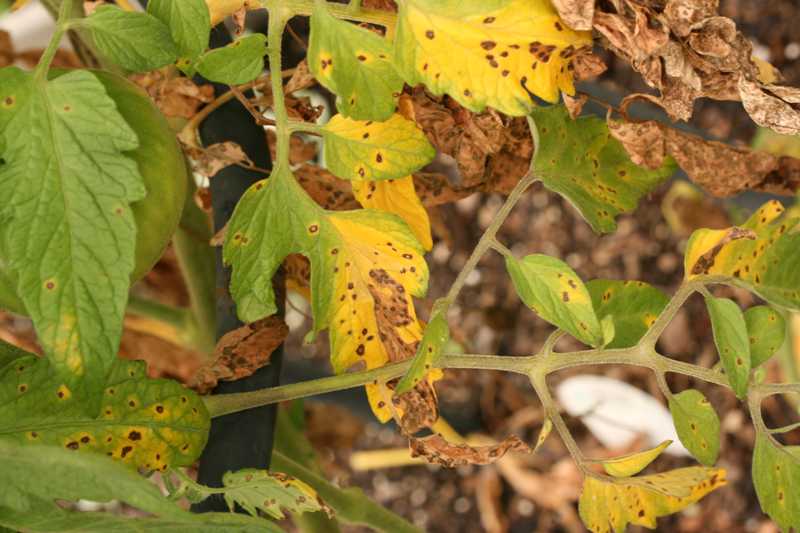
It is important to note that a yellowing leaf is a symptom, not a specific disease. In horticulture, this loss of green pigment is called chlorosis, and it happens when the plant stops producing chlorophyll. Before you tear up your garden, you need to identify exactly why this is happening.
The most common causes
Understanding why you are seeing yellow on tomato leaves requires looking at the plant’s environment, its diet, and potential biological threats.
Inconsistent Watering
Watering issues are the leading cause of tomato leaf yellowing. Both overwatering and underwatering yield the exact same visual symptom. When soil is waterlogged, the roots drown, rot, and can no longer absorb oxygen or nutrients. Conversely, in bone-dry soil, the roots physically cannot pull up the moisture required to sustain the plant’s massive foliage canopy.
Nutrient Deficiencies
Tomatoes are heavy feeders. If the soil lacks essential macronutrients, the plant will cannibalize itself to survive.
- Nitrogen Deficiency: Nitrogen is a “mobile” nutrient. When the plant does not have enough nitrogen to support its new growth at the top, it steals nitrogen from the older leaves at the bottom, causing them to fade to pale yellow.
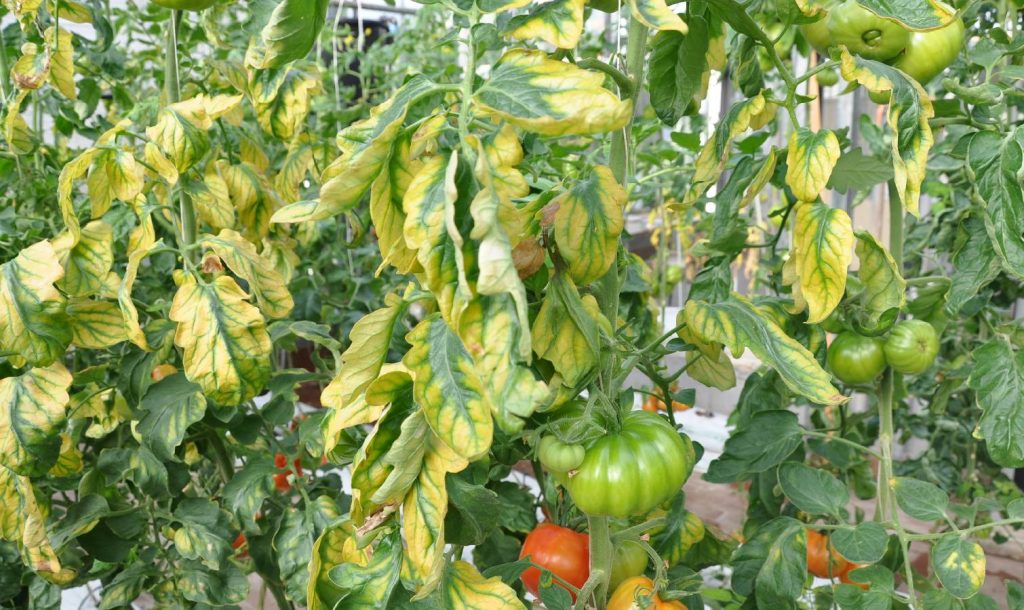
- Magnesium Deficiency: This causes a specific pattern known as interveinal chlorosis, where the tissue between the leaf veins turns yellow, but the veins themselves remain dark green.
Fungal Diseases
If your tomato plant leaves going yellow is accompanied by dark spots, you are likely dealing with a fungal infection. Early blight (caused by the fungus Alternaria linariae) creates yellow leaves with brown, target-like concentric rings. Septoria leaf spot creates dozens of tiny, dark brown spots surrounded by a yellow halo. These fungi live in the soil and splash up onto the lowest leaves during rainstorms.
Transplant Shock
If you recently moved young plants from indoor pots into the outdoor garden, seeing tomato seedlings yellow leaves is entirely normal. The delicate root system undergoes a temporary state of shock as it adjusts to real sunlight, wind, and wild temperature swings.
Soil-Borne Wilts
Fusarium wilt and Verticillium wilt are fatal fungal pathogens that live deep in the soil and enter through the plant’s roots. They clog the vascular system (the plant’s internal plumbing). This usually causes one specific side of the tomato plant, or even just half of a single leaf, to turn bright yellow and wilt aggressively during the heat of the day.
How to tell which cause applies to your plant (diagnostic table)
To save your crop, you need to diagnose the problem accurately. Use this symptom-checker table to match your plant’s specific visual cues with the most likely cause.
| Visual Symptom | Location on the Plant | Most Likely Cause | Severity Level |
|---|---|---|---|
| Pale, uniform yellowing with no spots. Soil feels soggy or bone dry. | Entire plant, usually starting at the bottom. | Watering Issues | Moderate (Fixable) |
| Oldest leaves turn solid yellow and fall off; upper leaves are light green. | Bottom of the plant moving upward. | Nitrogen Deficiency | Low (Easily fixable) |
| Tissue turns yellow, but leaf veins remain sharply dark green. | Lower and middle leaves. | Magnesium Deficiency | Low (Easily fixable) |
| Yellowing leaves with brown spots that have target-like rings. | Starts at the bottom, splashes upward. | Early Blight | Moderate to High |
| Yellow leaves covered in dozens of tiny black/brown dots. | Starts at the bottom, moves upward. | Septoria Leaf Spot | Moderate to High |
| Bright yellowing and severe wilting on only one side of the plant. | Lower leaves, moving up one side. | Fusarium or Verticillium Wilt | Severe (Fatal) |
Step-by-step fix for each cause
Once you have identified the culprit behind your tomato leaves turn yellow, it is time to take immediate action.
Fixing Watering Issues
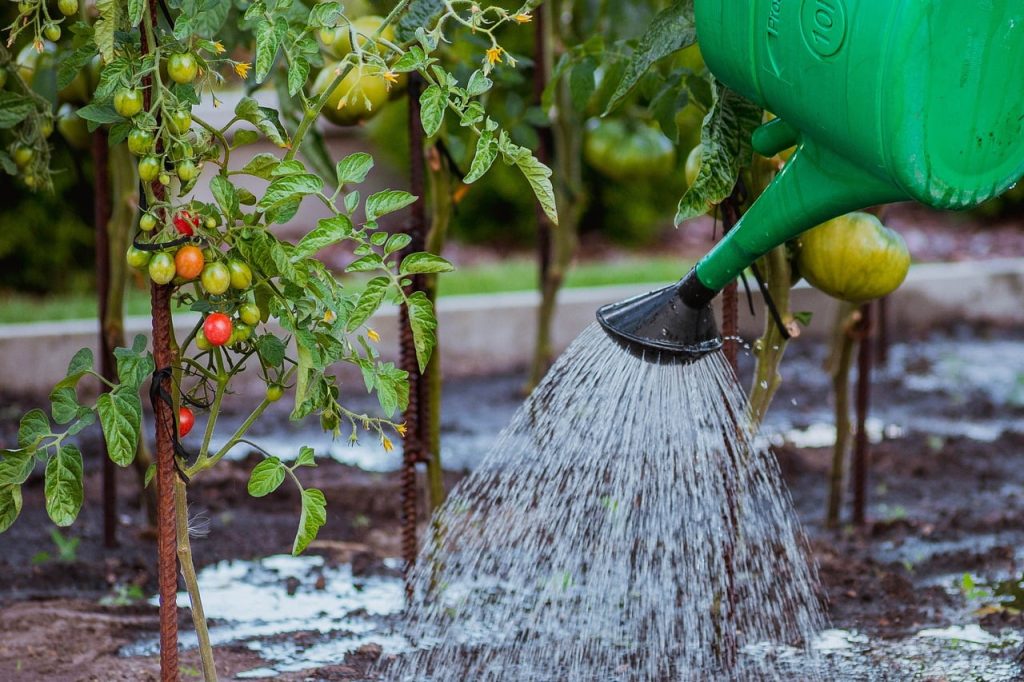
Before you do anything else, check the soil moisture. Push your index finger two inches into the dirt. If it feels like a wet sponge, stop watering immediately and let the soil dry out for a few days. If you are growing in containers, ensure the drainage holes are not clogged. If the soil is dusty and dry, water the plant deeply at the base until moisture reaches the deep root zone.
Fixing Nutrient Deficiencies
For a nitrogen deficiency, apply a fast-acting, water-soluble organic fertilizer (like fish emulsion) to provide an immediate boost, followed by a slow-release granular tomato fertilizer to sustain the plant. If your diagnosis table points to magnesium deficiency, mix one tablespoon of Epsom salts (magnesium sulfate) into a gallon of water and apply it as a root drench.
Managing Fungal Diseases (Early Blight and Septoria)
- Prune: Immediately sterilize your pruning snips with rubbing alcohol and cut off all affected yellow, spotted leaves. Do not compost these leaves; throw them in the trash.
- Treat: Spray the remaining healthy foliage with a copper-based fungicide or an organic biofungicide (like Bacillus subtilis). You cannot cure the leaves that are already infected, but you can protect the healthy growth from catching the spores.
Dealing with Wilts (Fusarium and Verticillium)
Unfortunately, there is no chemical or organic cure for soil-borne wilts. If your plant is suffering from half-plant yellowing and aggressive daytime wilting, you must pull the entire plant up by the roots and throw it away. Do not plant another tomato in that exact spot for at least three to four years.
Handling Transplant Shock
For tomato seedlings, patience is key. Ensure they are watered gently, and consider putting up a temporary shade cloth to block the harsh afternoon sun for their first week outdoors. Once their roots establish, they will push out fresh, green foliage.
How to prevent it going forward
The secret to a healthy garden is preventing problems before they start. By adopting a few professional horticultural practices, you can dramatically reduce the chances of encountering yellowing foliage.
Water at the Base, Not the Leaves
Fungal spores need wet leaves to germinate. Never water your tomatoes from above using a sprinkler. Use a soaker hose, drip irrigation, or a watering can to deliver moisture directly to the soil level, keeping the canopy completely dry.
Apply a Thick Layer of Mulch
Because blight spores live in the dirt, heavy rain will splash the contaminated mud directly onto your lower tomato leaves. Applying a two-to-three-inch layer of organic mulch (like clean straw, shredded leaves, or untreated wood chips) acts as a physical barrier. It stops mud splashing and helps regulate soil moisture, preventing both fungal diseases and watering-related yellowing.
Prune for Airflow
As your tomato plants grow taller, routinely prune off the lowest branches that touch the ground. A dense, tangled plant traps humidity, creating a perfect breeding ground for disease. Removing the bottom 12 inches of foliage on mature plants ensures excellent air circulation.
Practice Crop Rotation
Never plant tomatoes in the exact same location year after year. Soil-borne diseases and nutrient depletion compound over time. Rotate your crops so that tomatoes (and their nightshade relatives like peppers and eggplants) do not occupy the same soil for at least three seasons. For a comprehensive look at planning your garden layout and maintaining plant health, check out our complete growing overview.
FAQ
Is turning yellow always a sign of disease?
- No, turning yellow is not always a sign of disease. In many cases, it is simply a reaction to environmental stress, such as inconsistent watering, poor drainage, or a lack of basic nutrients in the soil. Additionally, the very oldest leaves at the bottom of a mature tomato plant will naturally turn yellow and die off as they age.
Can I still eat tomatoes from a plant with turning yellow?
- Yes, you can absolutely eat the fruit. Whether the yellowing is caused by a nutrient deficiency, improper watering, or a fungal leaf spot, the tomatoes themselves remain perfectly safe and healthy for human consumption. The only time you should discard the fruit is if the tomato itself is rotting or visibly infected.
How quickly can turning yellow be fixed once I start treatment?
- It is critical to understand that a leaf that has already turned yellow will never turn green again, even after treatment. You will know your treatment is successful when the yellowing stops spreading and the brand-new growth emerging at the top of the plant looks dark green and vigorous.
Does turning yellow spread to other plants?
- If your tomato plant leaves going yellow is caused by an environmental issue like underwatering or a nitrogen deficiency, it will not spread to neighboring plants unless they share the same poor conditions. However, if the yellowing is tied to a fungal pathogen like early blight or a viral infection, the spores and pathogens can easily spread to other susceptible plants via wind, rain splash, or garden pests.
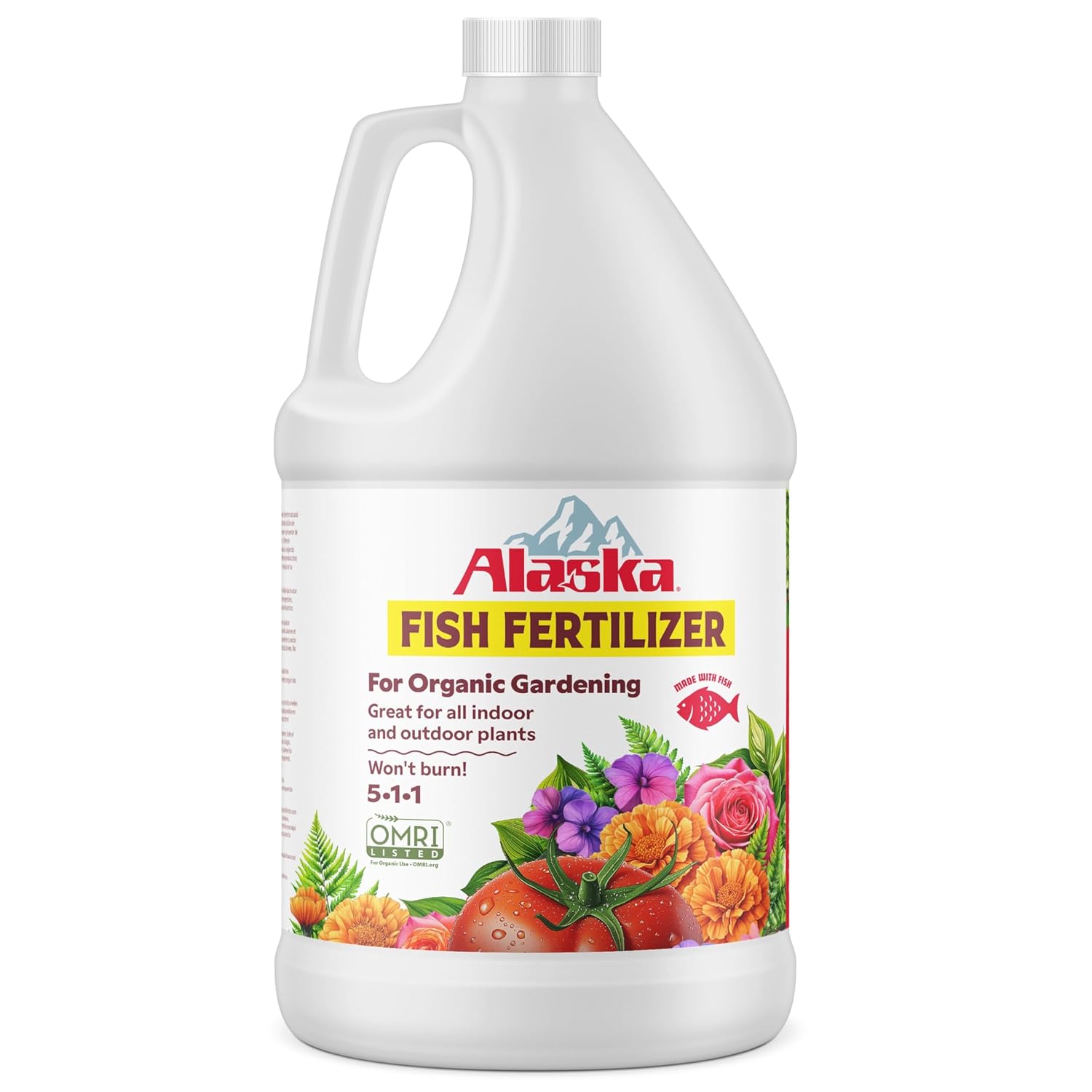
Alaska Liquid Fish Emulsion Fertilizer (5-1-1)
Organic Nitrogen Boost • Fast Acting
The perfect organic fix for yellowing tomato leaves. This fast-acting liquid fertilizer provides a rapid nitrogen boost to cure chlorosis and restore deep green foliage without burning delicate root systems.
✓ Organic & Easy to Mix
