

Composted Manure for Tomatoes: Benefits and How to Use It Correctly
Composted manure for tomatoes is an excellent organic amendment that improves soil structure, retains moisture, and provides a steady release of vital nutrients. For the best results, mix one to two inches of fully composted chicken or cow manure into your garden soil a few weeks before planting your seedlings.
Growing a massive crop of juicy, heavy tomatoes requires rich, biologically active soil. While it is tempting to reach for a brightly colored box of synthetic fertilizer at the garden center, true soil health starts from the ground up. Incorporating animal waste into agricultural land is a practice as old as farming itself. However, using it in a modern home garden requires a specific understanding of how it breaks down and feeds your plants.
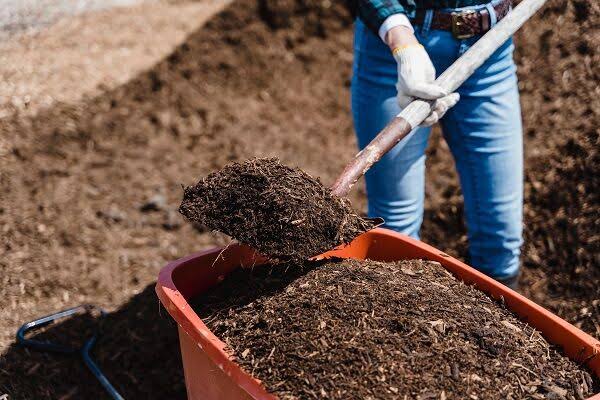
Tomatoes are notoriously heavy feeders. They rapidly deplete the soil of nitrogen, phosphorus, potassium, and a host of essential micronutrients as they grow from tiny seedlings into sprawling, fruit-bearing vines. By understanding how to properly source and apply composted manure, you can provide your plants with a natural, slow-release diet that supports aggressive growth while simultaneously transforming the texture and health of your garden beds.
What Composted Manure is and its key nutrients
To understand why composted manure is so valuable, you must first understand what it actually is. Manure is the nutrient-rich waste collected from livestock—most commonly chickens, cows, horses, or steers. However, raw manure straight from the barn or pasture is highly volatile. It is packed with raw ammonia, weed seeds, and potentially dangerous pathogens like E. coli and Salmonella.
Composted manure has undergone a vital transformation. Through the process of hot composting, raw animal waste is mixed with carbon-rich materials (like straw, wood shavings, or dry leaves) and left to decompose. As billions of beneficial soil microbes break down this material, they generate intense heat—often reaching temperatures over 140°F (60°C). This extreme heat pasteurizes the manure, killing off weed seeds and dangerous human pathogens, while converting raw, burning ammonia into stable, plant-accessible nitrogen.
When you purchase a bag of composted manure at the store, it should look and smell like rich, dark, earthy topsoil, not animal waste.
Understanding the Nutrient Profile (NPK)
Every fertilizer, whether organic or synthetic, is measured by its NPK ratio—the percentage of Nitrogen (N), Phosphorus (P), and Potassium (K) it contains.
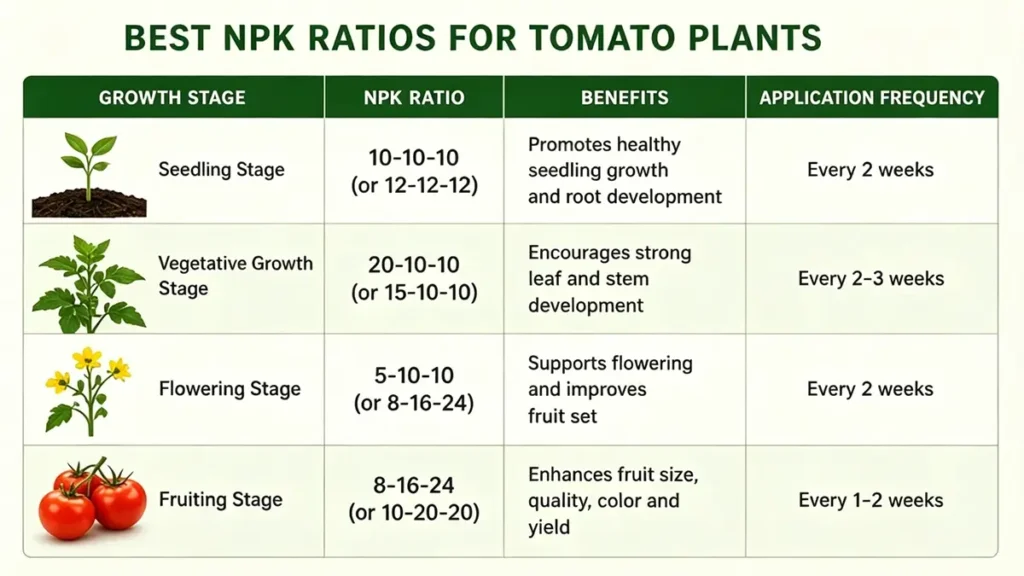
Unlike synthetic fertilizers that might boast massive NPK numbers like 10-10-10 or 24-8-16, composted manure has a very mild, low-dose NPK ratio, typically hovering around 1-1-1 to 3-2-2 depending on the animal source.
- Nitrogen fuels leafy green vine growth.
- Phosphorus encourages deep root systems and early blossom development.
- Potassium regulates water uptake and sizes up the tomato fruits.
Because these numbers are low, composted manure is not a fast-acting “energy shot” for starving plants. Instead, it is a foundational soil builder. The true value of manure lies not just in its NPK ratio, but in its massive load of organic matter, humic acids, and secondary micronutrients like calcium, magnesium, and sulfur.
Specific benefits for tomato plants
Adding composted manure to your tomato beds offers a host of benefits that standard powdered fertilizers simply cannot match. Here is why it is often considered the secret ingredient for champion tomato growers.
1. Unmatched Soil Structure and Aeration
Tomato roots need oxygen just as much as they need water. If you are gardening in heavy, compacted clay, tomato roots will struggle to push through the dense earth, leading to stunted plants. Mixing bulky composted manure into your beds breaks up clay particles, creating a loose, friable, loamy texture. Conversely, if you have sandy soil that drains too quickly, the spongy organic matter in manure acts like a binder, holding the soil together.
2. Incredible Water Retention
Tomatoes require consistent, even watering. If the soil dries out completely and is then flooded with water, the sudden uptake of moisture will cause the skin of your ripening tomatoes to split and crack. Composted manure acts like a massive subterranean sponge. It absorbs and holds onto water, releasing it slowly to the tomato roots during the hottest days of summer, preventing drought stress and fruit splitting.
3. Slow-Release Organic Feeding
Because the nutrients in composted manure are bound up in organic matter, they cannot be washed away by the first heavy rain. Instead, the beneficial bacteria, fungi, and earthworms in your soil must slowly digest the manure, releasing a steady, microscopic drip of nitrogen, phosphorus, and potassium directly to the plant roots over several months.
4. Calcium Delivery and Disease Prevention
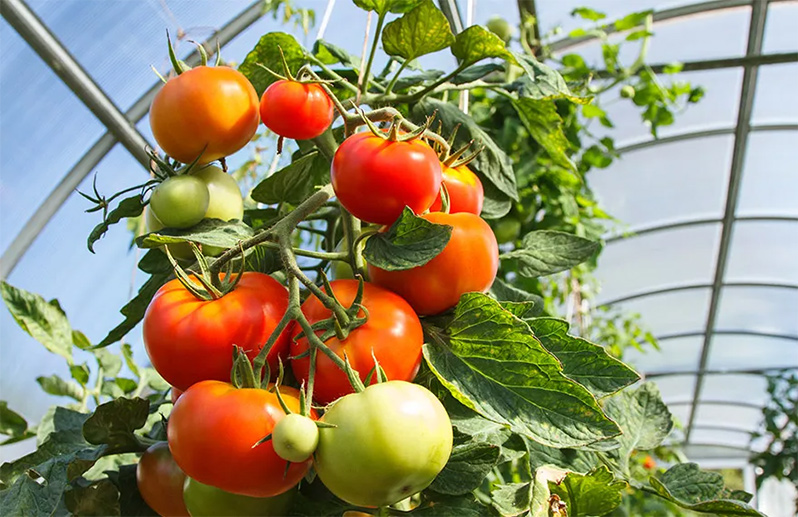
Perhaps the most crucial benefit of manure—particularly chicken manure—is its high calcium content. Tomatoes are incredibly susceptible to a physiological disorder that causes the bottom of the fruit to turn into a black, sunken, leathery scab. This is not caused by a pest, but by a lack of calcium in the developing fruit. By enriching your soil with calcium-heavy manure, you drastically reduce this risk. How to fix and prevent blossom end rot.
How to use it — dosage and timing
When deciding which product to use, you will generally be choosing between two primary options at the garden center: chicken and cow.
Chicken manure for tomatoes is widely considered the most potent option. Poultry manure has the highest levels of nitrogen, phosphorus, and calcium of any common livestock waste. It is the best manure for tomato plants if you have poor, depleted soil that needs a serious nutritional boost.
Cow manure for tomatoes, on the other hand, is much gentler. Cows are ruminants that digest their food thoroughly, resulting in a product that is lower in raw nutrients but incredibly high in bulk organic matter. Cow manure for tomato plants is ideal if your primary goal is to improve the physical texture and water-holding capacity of your soil without risking nitrogen burn.
To help you plan your garden, here is a guide on how to apply different types of composted manure.
| Type of Composted Manure | Average NPK Ratio | Best Garden Application | Dosage / Application Rate |
|---|---|---|---|
| Composted Chicken Manure | 3-2-2 to 5-3-3 | Best for heavy feeding, adding calcium, and pushing aggressive early vine growth. | 1/2 inch layer mixed into the top 4 inches of soil, or 1 cup mixed into the planting hole. |
| Composted Cow Manure | 0.5-0.5-0.5 | Best for improving heavy clay or sandy soils, and boosting overall moisture retention. | 1 to 2 inch layer broadcast over the entire garden bed and tilled in before planting. |
| Composted Horse Manure | 0.7-0.3-0.6 | Great for adding bulk organic matter, but often contains more weed seeds than cow manure. | 1 to 2 inch layer mixed deeply into the soil. Ensure it is fully aged/composted. |
| Composted Steer Manure | 1-1-1 | Good general-purpose amendment, often higher in salt content than dairy cow manure. | 1 inch layer mixed into the soil. Avoid heavy, repeated use due to potential salt buildup. |
Timing Your Application
Pre-Planting (Spring): The absolute best time to use composted manure is in the early spring, about two to three weeks before you plant your tomato seedlings. Spread a thick layer of composted cow manure (or a thinner layer of chicken manure for tomato plants) over your garden beds and use a digging fork or tiller to mix it into the top six inches of soil. This allows the soil microbes time to wake up and begin processing the nutrients so they are ready the moment the tomato roots hit the dirt.
Planting Day (Early Summer): If you did not prep your beds in the spring, you can add manure directly to the planting hole. Dig a hole slightly deeper than necessary, add a cup of composted chicken manure to the bottom, and mix it thoroughly with the native soil. Place a thin layer of plain dirt over this mixture to protect the delicate roots from direct contact, and then plant your tomato.
Side-Dressing (Mid-Summer): Once your tomato plants begin setting their first clusters of fruit, their energy demands skyrocket. You can “side-dress” by sprinkling a handful of composted chicken manure around the base of the plant (keeping it a few inches away from the main stem). Gently scratch it into the top inch of soil and water it in heavily.
Risks of overuse or incorrect use
While composted manure is a natural product, treating it carelessly can have disastrous consequences for your tomato crop. Here are the primary risks to avoid.
1. The Danger of “Hot” or Raw Manure
Never put fresh, uncomposted manure directly onto your vegetable garden. Raw manure is highly acidic and packed with raw ammonia. If raw chicken or cow manure touches your tomato plants, the sheer concentration of nitrogen salts will draw moisture out of the plant tissue, causing severe chemical burns that will wilt and kill the plant in a matter of days. Furthermore, raw manure carries human pathogens that can contaminate your food. Always ensure the manure you buy or source is fully aged and composted.
2. All Vine, No Dine (Nitrogen Toxicity)
Because chicken manure is particularly high in nitrogen, it is entirely possible to use too much. If you continuously feed your tomatoes high-nitrogen manure well into the late summer, the plant will prioritize vegetative growth over reproduction. You will grow a massive, dark green, beautiful plant that refuses to set a single blossom or produce a single tomato.
3. Herbicide Carryover (Killer Compost)
This is a growing, invisible threat to home gardeners. Some ranchers spray their pastures with persistent broadleaf herbicides (like aminopyralid) to kill weeds. When horses or cows eat this treated grass, the herbicide passes straight through their digestive tracts intact and remains active in their manure—even after it has been composted.
If you apply this contaminated manure to your garden, broadleaf plants like tomatoes are incredibly sensitive to it. The new leaves will emerge twisted, cupped, and severely deformed, and the plant will eventually die. To avoid this, only buy bagged manure from reputable, OMRI-listed brands, or specifically ask local farmers if they use persistent herbicides on their hay or pastures before taking their manure.
4. Salt and Phosphorus Buildup
Steer manure (often sourced from commercial feedlots) can be quite high in dietary salts. Repeated, heavy applications year after year can raise the salinity of your soil, which stunts tomato growth. Additionally, all manures contain phosphorus, which does not wash out of the soil easily. Over decades of heavy manure application, phosphorus can build up to toxic levels, locking up other micronutrients. It is wise to get a basic soil test every three to four years to monitor your levels.
Composted Manure vs. other organic inputs
To build a truly resilient garden, you should understand how composted manure fits into the broader spectrum of plant nutrition, especially when comparing organic vs. synthetic options.
Manure vs. Plant-Based Compost
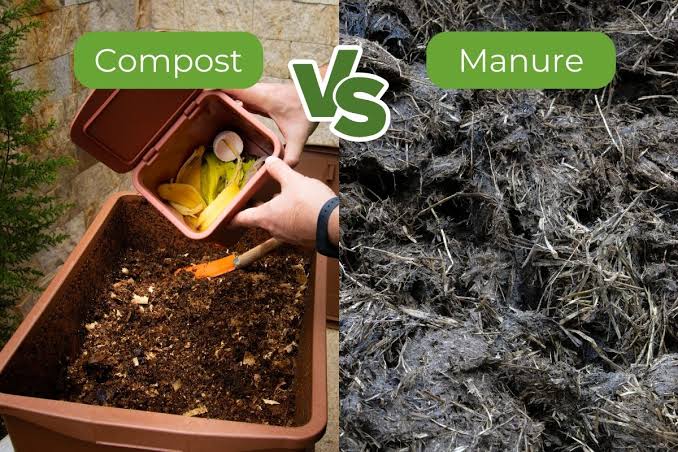
Regular garden compost (made from kitchen scraps, grass clippings, and autumn leaves) is fantastic for the garden, but it is generally lower in total nutrients than animal-based composted manure. Think of plant-based compost as a soil conditioner and composted manure as a true, mild fertilizer. The best manure for tomatoes is often one that is blended with plant-based compost to provide both structure and nutrition.
Manure vs. Concentrated Organic Meals (Blood and Bone Meal)
If your plant is actively suffering from a severe nutrient deficiency, composted manure works too slowly to save it. If your lower leaves are turning yellow from an acute nitrogen deficiency, a concentrated organic input like blood meal (12-0-0) or fish emulsion will provide a much faster fix than waiting for manure to break down. Conversely, bone meal is used to deliver a concentrated shot of phosphorus for root growth, whereas manure provides a low, steady baseline.
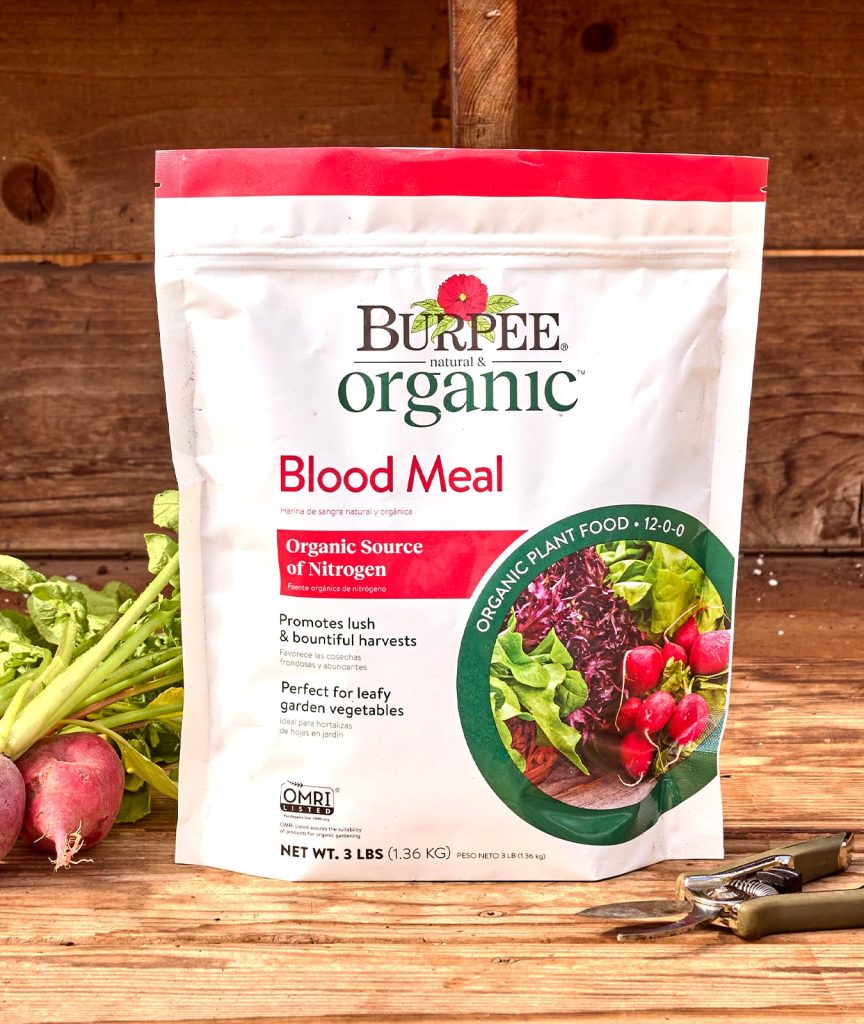
Manure vs. Synthetic Granular Fertilizers
Synthetic fertilizers (like those little blue water-soluble crystals) are chemically manufactured salts. They deliver an instant, highly concentrated blast of nutrients directly to the plant’s roots. While synthetics can grow large tomatoes quickly, they do absolutely nothing to feed the soil microbes, they do not improve soil texture, and they do not increase water retention. Relying solely on synthetics eventually degrades the structure of your soil, turning it into dead, compacted dirt. Composted manure takes a holistic approach, feeding the soil ecosystem so that the soil can feed the plant.
FAQ
How much Composted Manure should I use per tomato plant?
- For heavy-feeding plants like tomatoes, a good rule of thumb is to mix about one to two cups of fully composted chicken manure, or a small shovel-full of gentler cow manure, into the soil at the bottom of the planting hole. If you are broadcasting it over an entire raised bed before planting, a one-inch layer tilled into the top few inches of soil is ideal.
Can I use too much Composted Manure?
- Yes, it is possible to use too much, particularly if you are using nitrogen-rich composted chicken manure. Applying excessive amounts can lead to nitrogen toxicity, which causes the tomato plant to grow massive amounts of leafy green vines while refusing to produce any flowers or fruit.
How long does it take for Composted Manure to work?
- Because composted manure is a slow-release organic fertilizer, it relies on soil microbes to break it down before the nutrients become available to the plant’s roots. In warm, moist soil, you can expect the manure to begin actively feeding your tomato plants within two to three weeks of application.
Can Composted Manure be combined with other organic fertilizers?
- Absolutely. Composted manure provides a fantastic, slow-release nutritional baseline and improves soil texture, making it the perfect partner for targeted organic supplements. Many successful gardeners combine composted manure with bone meal (for extra phosphorus) or kelp meal (for extra potassium) at planting time to create a perfectly balanced soil ecosystem.
