

Protecting Tomato Plants From Frost, Deer & Pests
To keep your tomato plants in winter alive, you must move them indoors or use heated greenhouses, as they cannot survive freezing temperatures. For extending your autumn harvest, use heavy frost blankets to shield them from cold snaps, and install physical fencing barriers to stop hungry deer from eating tomato plants.
Why this matters for healthy tomato plants
When you put so much effort into cultivating the perfect garden, watching it get decimated overnight by a sudden freeze or a wandering herd of deer is incredibly frustrating. The common garden tomato (Solanum lycopersicum) is biologically a tender perennial native to warm, tropical climates. In the United States, we grow them as annuals because they possess absolutely no natural defense against freezing temperatures.

Understanding this botanical reality is crucial for caring for tomato plants in winter or late fall. When the ambient temperature drops to 32°F (0°C), the water inside the plant’s cells freezes, expands, and bursts the cell walls. This causes the foliage to turn black and turn to mush, instantly killing the vine. Even temperatures below 50°F (10°C) will stunt growth and cause blossoms to drop. If your goal is growing tomatoes in winter, you are entirely dependent on creating an artificial microclimate.
Furthermore, as the weather cools and natural foliage dies back in the surrounding woods, local wildlife becomes desperate. While the fuzzy, strong-smelling leaves of nightshade plants are not a deer’s first choice, starving animals are not picky. You might wonder, do deer eat tomatoes? The answer is a resounding yes. If you do not actively protect your garden, you will eventually walk outside to find deer eating tomato plants, stripping the vines of both tender leaves and ripening fruit.
Mastering both temperature regulation and pest defense ensures you maximize your harvest and protects your hard work from being ruined by nature’s unpredictability. For a comprehensive look at how to manage your crop from seed to final harvest, be sure to review our complete growing overview.
Step-by-step instructions
Protecting your garden requires a proactive approach. You cannot wait until the frost is already on the ground or the deer are already in the yard. Follow these steps to secure your crop as the weather cools.

Step 1: Monitor weather patterns and choose the right varieties
If you live in a region with short growing seasons, preparation starts before you even plant. While there are no true winter tomato varieties that can survive a hard freeze, there are cold-tolerant, short-season varieties like ‘Glacier’, ‘Siberia’, or ‘Polar Beauty’. These varieties are bred to set fruit in cooler temperatures (down to about 55°F). Keep a close eye on your local weather forecast starting in early autumn. When nighttime temperatures threaten to dip below 45°F (7°C), it is time to deploy your defenses.
Step 2: Deploy physical frost barriers
For protecting tomatoes from frost during a brief cold snap, use spun-bonded frost blankets (often called row covers). Drape the fabric completely over the tomato cages in the late afternoon before the sun goes down to trap the residual heat radiating from the soil. Secure the bottom edges of the fabric to the ground using bricks or heavy soil pins so cold air cannot sweep underneath.
Step 3: Relocate container plants for overwintering
If you are determined to keep your tomato plants in winter, they must be brought inside. Before the first frost, move your container-grown tomatoes into a sunroom, heated greenhouse, or a warm garage equipped with full-spectrum LED grow lights. Inspect the plants thoroughly for aphids or spider mites before bringing them indoors to prevent pest infestations in your house.
Step 4: Establish a deer-proof perimeter
Deer are incredibly agile and can easily clear standard garden fences. To permanently keep them out, you need a physical barrier. Install heavy-duty polypropylene deer fencing around your garden perimeter. The fence must be a minimum of 8 feet tall. Alternatively, you can use a double-fence method, placing two 4-foot fences roughly 4 feet apart, as deer have poor depth perception and will rarely attempt to jump a wide, double barrier.
Frost & Pest Protection Strategies Comparison
To help you choose the right defense mechanism for your specific garden setup, review this comparison of common protective methods:
| Protection Method | Primary Target | Effectiveness | Installation Effort | Estimated Cost |
|---|---|---|---|---|
| Heavy-Duty Frost Cloth | Light Frosts (down to 28°F) | High for short cold snaps | Low | Inexpensive |
| Water-Filled Plant Protectors | Cold air / Light frost | Moderate (Best for small plants) | Moderate | Moderate |
| Heated Greenhouse | Winter Freezes | Ultimate (Allows winter growing) | Very High | Very Expensive |
| 8-Foot Polypropylene Fence | Deer & Large Mammals | Very High | High | Moderate to High |
| Liquid Deer Repellent | Deer & Rabbits | Low to Moderate (Washes off) | Low | Inexpensive |
Common mistakes to avoid
Even experienced gardeners can make critical errors when trying to shield their plants from the elements and local wildlife.

Using plastic sheeting directly on the plants
When a frost warning is issued, many beginners grab plastic tarps or garbage bags to cover their plants. This is a fatal mistake. Plastic offers very little insulation and transfers the freezing cold directly to any leaf it touches, causing severe frostbite. Furthermore, if you leave plastic on during the morning sun, it creates a greenhouse effect that will literally cook your plants. Always use breathable, woven frost cloth, and if you must use plastic in an emergency, prop it up with stakes so it never touches the foliage.
Underestimating deer jumping capabilities
A standard 4-foot or 5-foot decorative wooden picket fence will not stop a hungry deer. They can easily clear a 7-foot vertical obstacle from a standing position. If you build a short fence to stop deer eating tomato plants, you are only wasting your time and money. Always build deer barriers to a minimum height of 8 feet, or utilize the double-fence optical illusion mentioned in the steps above.
Leaving frost covers on during warm days
Frost blankets trap heat excellently, which is exactly what you want at night. However, if the daytime temperatures rebound into the 60s or 70s, leaving heavy covers draped over your tomatoes will block necessary sunlight and trap extreme humidity. This creates the perfect breeding ground for fungal diseases like late blight. You must diligently remove or pull back the covers every morning once the frost has thawed.
Applying pest repellents directly to ripening fruit
Liquid deer and rabbit repellents (which are often made from putrescent egg solids, garlic, and dried blood) are highly effective at keeping critters away. However, they smell and taste horrendous. Never spray these chemical or natural repellents directly onto the tomatoes you intend to eat. Apply them only to the perimeter fencing or the lowest, non-fruiting leaves of the plant.
Tools or products that help
You do not need to construct a commercial farming operation to protect your backyard harvest, but investing in a few reliable tools will make the process infinitely easier and more successful.
- Spun-Bonded Frost Cloth (Agribon): This lightweight, breathable fabric is the gold standard for frost protection. It allows water and light to pass through while trapping heat. Look for heavier “AG-50” or “AG-70” weights if you are expecting hard freezes.
- Polypropylene Deer Fencing: A heavy-duty, UV-treated plastic mesh that is practically invisible from a distance. It is much cheaper and easier to install than a permanent wooden or metal fence, but strong enough to bounce a deer back.
- Water-Filled Plant Insulators (Wall O’ Water): These are rings of plastic tubes that you fill with water and place around individual tomato plants. The water absorbs heat during the day and radiates it at night, creating a localized warm pocket. They are fantastic for late fall or early spring.
- Motion-Activated Sprinklers: If you cannot build an 8-foot fence, a motion-activated sprinkler is the next best deterrent for deer. When the animal approaches the garden, the sensor triggers a sudden, loud burst of water that scares them away without causing any harm.
- Full-Spectrum LED Grow Lights: Absolutely essential if you are overwintering mature plants or growing tomatoes indoors during the darkest months of the year.
FAQ
How often does this need to be done?
- Frost protection must be actively managed daily during the shoulder seasons; you must cover the plants every evening before a freeze and uncover them every morning. Pest protection, such as checking your deer fencing or reapplying scent repellents, should be done weekly or immediately after heavy rainstorms.
What happens if this step is skipped or delayed?
- If you skip frost protection when temperatures drop to 32°F, your tomato plants will freeze, turn to mush, and die overnight, ruining your entire remaining harvest. Skipping deer protection during late autumn will likely result in your plants being permanently stripped of their leaves and fruit within a single night.
Do I need special tools for this?
- No highly specialized tools are required for basic protection. You can use standard spun-bonded garden fabric, basic zip ties, and T-posts to set up effective frost covers and deer barriers in your backyard.
Can beginners handle this without professional help?
- Absolutely. Both draping frost cloth and setting up temporary deer fencing are straightforward, DIY-friendly tasks. Beginners can easily manage these protective measures without needing to hire a professional landscaper or pest control service.
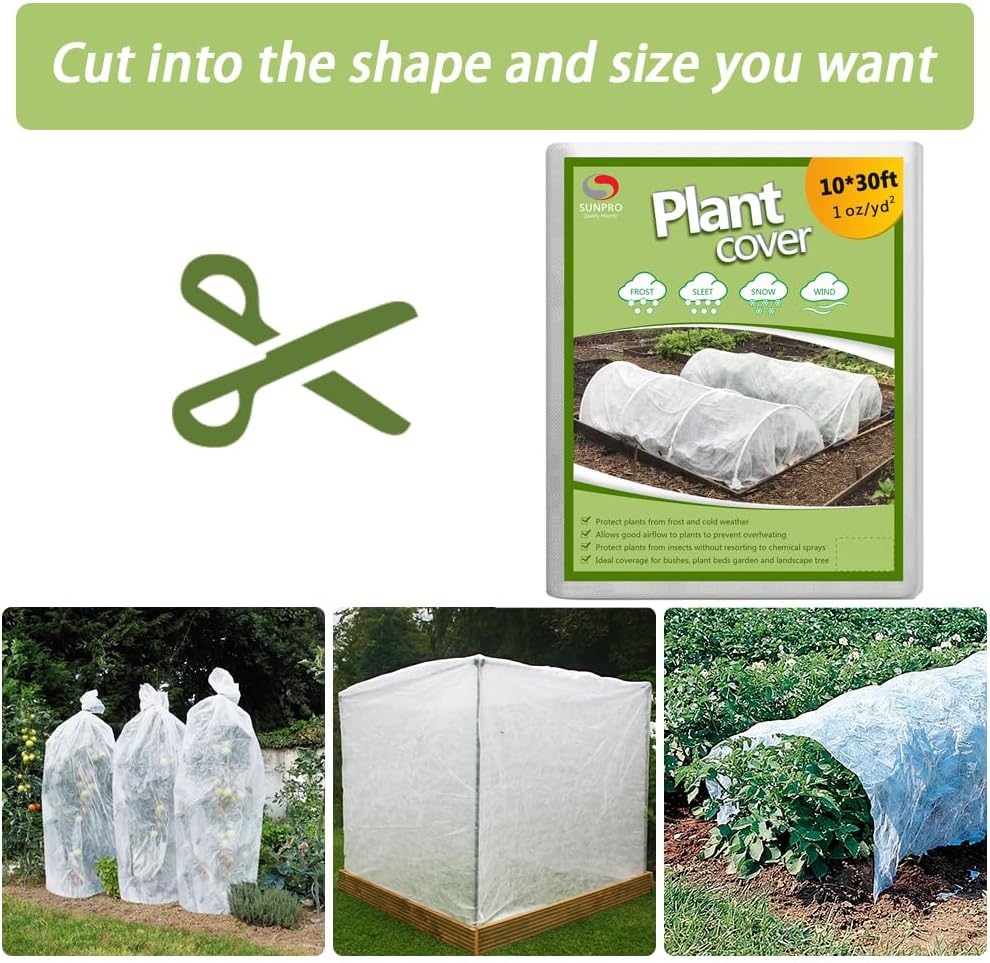
Heavy-Duty Spun-Bonded Frost Cloth (AG-50)
Traps Heat • Breathable Fabric • Reusable
The ultimate defense for protecting tomatoes from frost. This heavy-duty row cover traps heat radiating from the soil, preventing overnight freezing while still allowing light and moisture to reach your plants.
✓ Essential for Late Fall Harvests
